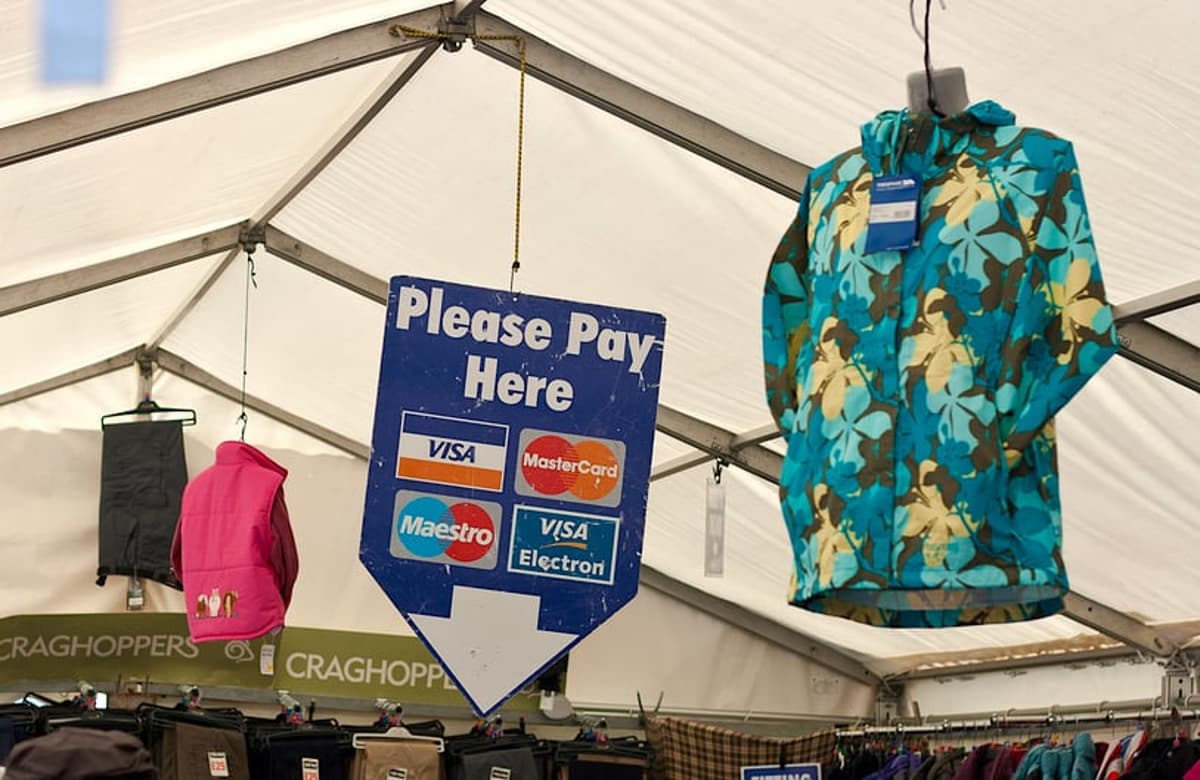
Europe Seeks Own Digital-Payment Systems to Bypass US Giants, Visa and Mastercard
Companies Mentioned
Why It Matters
Reducing reliance on US card networks strengthens Europe’s financial resilience and limits external leverage over its payment ecosystem.
Key Takeaways
- •ECB warns of political risk from Visa/Mastercard dominance
- •Over 50% of European card transactions run on US networks
- •Russia’s 2022 exclusion highlighted vulnerability of foreign‑controlled systems
- •EU plans a pan‑European digital wallet as alternative
- •Initiative aligns with broader push for strategic financial independence
Pulse Analysis
Europe’s payment landscape is at a crossroads as policymakers confront the reality that more than half of card transactions on the continent flow through U.S.-owned Visa and Mastercard networks. This concentration not only gives American firms outsized market power but also creates a geopolitical vulnerability; the ability of these networks to unilaterally cut off countries, as seen when Russia was barred from the global system after its 2022 invasion of Ukraine, underscores the strategic risk for European economies.
The European Central Bank has been vocal about these concerns, urging member states to develop homegrown alternatives that can operate independently of foreign infrastructure. In response, the EU is advancing a pan‑European digital wallet, backed by a consortium of banks and fintech firms, designed to handle cross‑border payments, currency conversion, and merchant settlement without routing through Visa or Mastercard. Regulatory frameworks are being updated to support interoperable standards, and pilot projects are already testing tokenized transactions that promise faster settlement and lower fees.
If successful, the initiative could reshape the competitive dynamics of the global payments industry. A sovereign European payment system would give merchants and consumers more choice, potentially driving down costs and spurring innovation among fintech startups. Meanwhile, Visa and Mastercard may face pressure to renegotiate fees and adapt to a more fragmented market. For investors and policymakers, the development signals a broader trend toward digital financial sovereignty, with implications that extend beyond payments to data security, monetary policy, and trans‑Atlantic trade relations.
Europe seeks own digital-payment systems to bypass US giants, Visa and Mastercard
Comments
Want to join the conversation?
Loading comments...