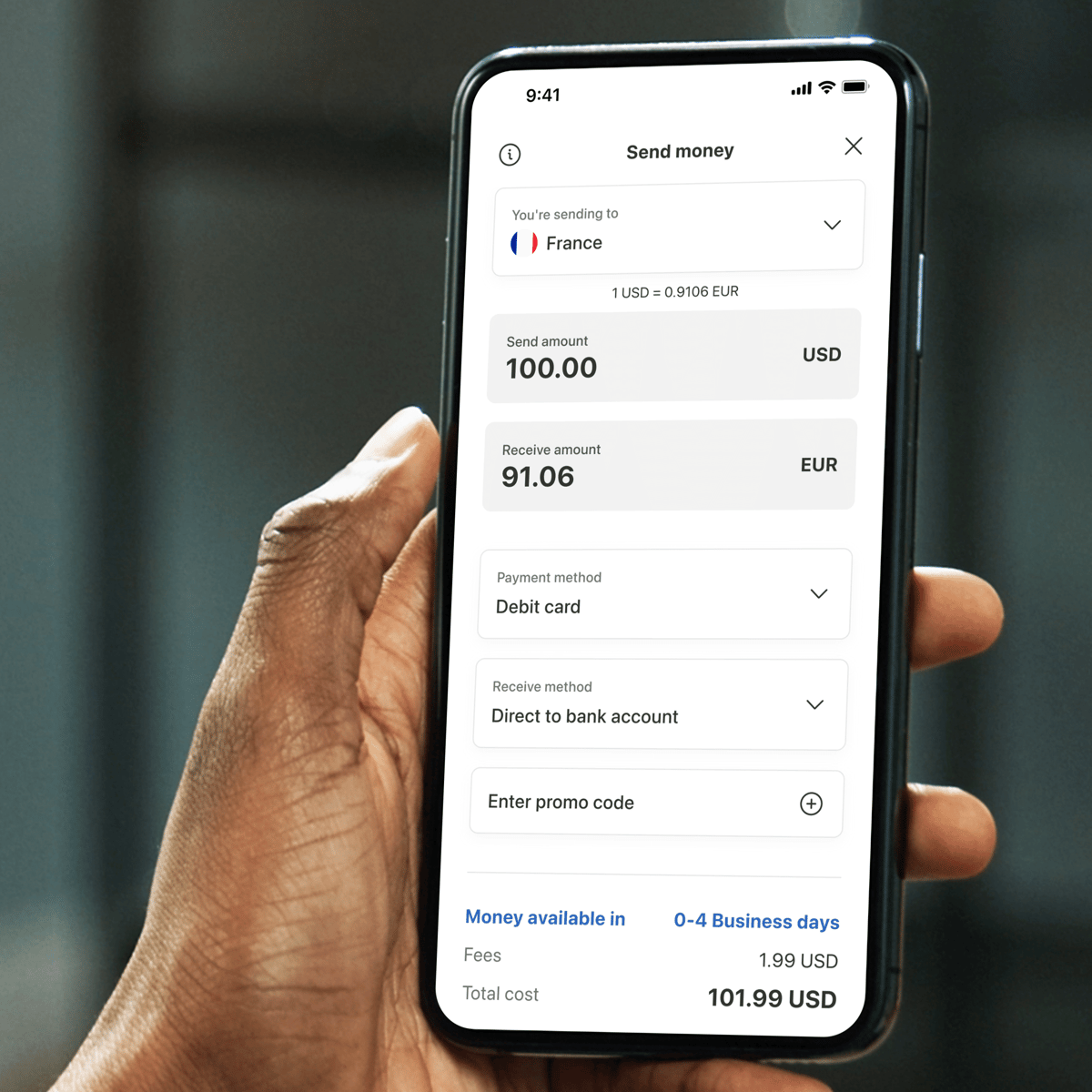
Eye on Point of Sale: MoneyGram Adopts Stripe for Retail Locations; Lightspeed Divests Upserve
Companies Mentioned
Why It Matters
The MoneyGram‑Stripe tie‑up accelerates digital payment adoption in a traditionally cash‑centric market, while Lightspeed’s divestiture reflects a strategic shift toward higher‑margin core segments.
Key Takeaways
- •MoneyGram will deploy Stripe POS terminals across 500,000 locations.
- •New payment options include tap‑to‑pay, pay‑by‑link, QR codes.
- •Lightspeed sells Upserve for up to $81 million to refocus strategy.
- •Upserve acquisition cost $430 million; divestiture recoups ~19% of price.
Pulse Analysis
MoneyGram’s decision to replace its legacy point‑of‑sale infrastructure with Stripe’s suite of hardware and digital payment tools marks a decisive step toward a fully connected retail network. By equipping its roughly 500,000 global agents with Stripe terminals, QR‑code links and tap‑to‑pay capability, the money‑transfer giant aims to give cash‑first customers more funding options while accelerating transaction speed. The move reflects a broader industry push to blend traditional cash services with the convenience of electronic payments, a combination that could boost customer retention and open new revenue streams. Stripe, long known for its online checkout APIs, has been courting the in‑store segment since the 2018 launch of Stripe Terminal.
The partnership with MoneyGram gives the processor a high‑visibility foothold in the cross‑border remittance space, where agents historically rely on cash handling. For MoneyGram, the integration promises real‑time reporting, reduced settlement friction and the ability to bundle ancillary services such as bill payment or prepaid cards. Competitors like Square and Adyen are also expanding into hybrid POS solutions, intensifying the race for merchant loyalty.
Lightspeed’s sale of Upserve for up to $81 million underscores a strategic pruning after a $430 million acquisition in 2020. By shedding the North‑American restaurant‑focused platform, Lightspeed can double‑down on its core retail software in the United States and its hospitality suite in Europe, markets where it sees higher growth potential. The divestiture also signals to investors that the company is prioritizing profitability over scale, a narrative that may improve its valuation amid a crowded SaaS landscape. For Upserve, new ownership could bring fresh capital to accelerate product innovation.
Eye on Point of Sale: MoneyGram Adopts Stripe for Retail Locations; Lightspeed Divests Upserve
Comments
Want to join the conversation?
Loading comments...