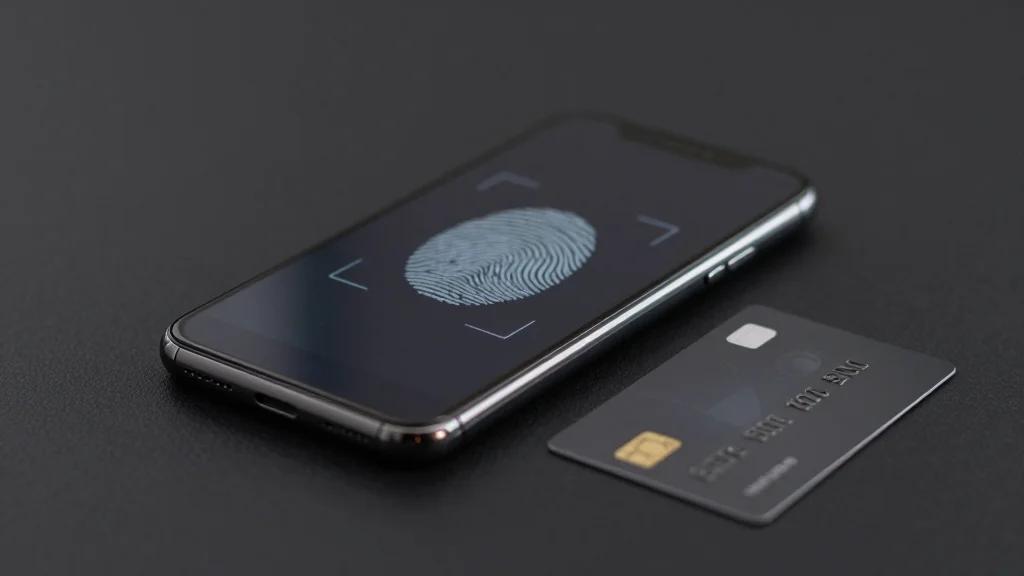
Flipkart, Axis Bank, PayU Launch Biometric Card Authentication, Ditching SMS OTPs

Companies Mentioned
Why It Matters
Replacing SMS OTPs with biometric verification tackles two persistent challenges in Indian digital payments: fraud and friction. SIM‑swap attacks have surged alongside the country’s rapid adoption of online card transactions, and the RBI’s own data shows a five‑fold increase in fraud losses to over $170 million in FY 2024. By anchoring authentication to a user’s device, the Flipkart‑Axis‑PayU solution removes a vulnerable link in the payment chain and aligns with regulatory pressure to modernise two‑factor security. Beyond fraud mitigation, the move could accelerate the broader migration from password‑based to biometric and risk‑based authentication across banking services. If merchants see higher conversion rates and lower charge‑back incidents, banks may prioritize similar rollouts for other card products, reshaping the competitive dynamics between card‑based and UPI‑based payment rails in India.
Key Takeaways
- •Flipkart, Axis Bank and PayU launch fingerprint/Face ID verification for card checkout on Flipkart.
- •Biometric check is device‑bound, eliminating reliance on SMS OTP delivery.
- •RBI’s 2025 guidelines encourage biometric or risk‑based two‑factor authentication to curb fraud.
- •India’s digital‑payment fraud exceeded INR 1,400 crore ($170 million) in FY 2024, a fivefold rise.
- •Competing biometric UPI solutions are capped at INR 5,000 and operate on a different rail.
Pulse Analysis
The biometric card‑payment rollout marks a decisive shift from legacy OTP mechanisms toward a more resilient, user‑centric security model. Historically, Indian banks have leaned heavily on SMS OTPs because of their simplicity and low implementation cost. However, the rapid escalation of SIM‑swap fraud and the RBI’s explicit call for flexible two‑factor authentication have forced the industry to reconsider. By leveraging the device’s built‑in biometric sensors, the Flipkart‑Axis‑PayU trio not only addresses a regulatory demand but also taps into a technology stack that is already ubiquitous in smartphones, reducing incremental costs.
From a competitive standpoint, the partnership gives Axis Bank a first‑mover advantage in the card‑payment space, a segment where UPI has dominated low‑value transactions. PayU’s orchestration role could become a template for other gateways seeking to differentiate through security features, potentially leading to a fragmented ecosystem where multiple biometric verification providers vie for issuer contracts. Meanwhile, e‑commerce platforms that adopt the flow may see higher average order values as friction drops, pressuring rivals to match the experience or risk losing market share.
Looking ahead, the success of this pilot will likely influence RBI’s future guidance on authentication thresholds and could spur a wave of similar deployments across other card‑issuing banks. If fraud rates decline and conversion metrics improve, biometric verification may become the de‑facto standard for high‑value online purchases, narrowing the gap between card and UPI ecosystems and reshaping the Indian payments landscape for years to come.
Flipkart, Axis Bank, PayU Launch Biometric Card Authentication, Ditching SMS OTPs
Comments
Want to join the conversation?
Loading comments...