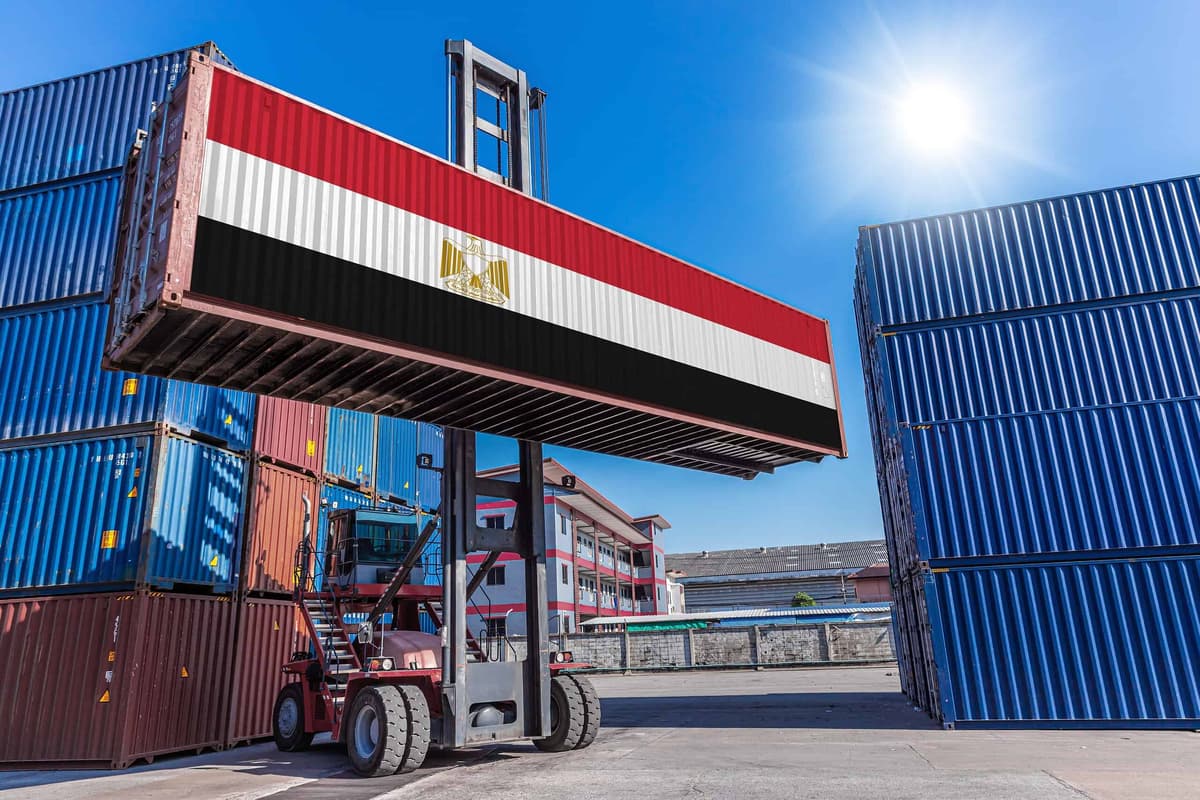
From Egypt to Africa: How CIB Is Empowering SMEs and Transforming Trade Ecosystems
Why It Matters
CIB’s integrated model gives SMEs the financing, digital infrastructure, and market insight needed to overcome cross‑border barriers, accelerating Africa’s trade integration and boosting regional economic resilience.
Key Takeaways
- •CIB Export Bundle offers sector‑specific financing and advisory for exporters
- •Digital document platform lets Egyptian SMEs file export paperwork online
- •Local‑currency settlement reduces FX risk for cross‑border African trade
- •CIB Kenya hub accelerates market entry into East African COMESA corridors
Pulse Analysis
Africa’s trade renaissance is being driven by the African Continental Free Trade Area, which promises tariff cuts, streamlined rules of origin and new logistics corridors. While the policy framework is solidifying, SMEs still grapple with financing gaps, cumbersome documentation, and foreign‑exchange volatility that can stall cross‑border expansion. The continent’s 1.3 billion consumers present a massive market, but without tailored support, many small firms remain confined to domestic sales.
Commercial International Bank is positioning itself as a catalyst for that untapped potential. Its Export Bundle merges credit lines with sector‑specific advisory, allowing exporters to secure working capital while receiving guidance on market entry, compliance and partner selection. The bank’s digital trade platform eliminates the need for physical branch visits, enabling real‑time document upload and automated routing to destination countries. Moreover, CIB’s ability to settle transactions in local African currencies mitigates USD exposure, preserving margins for businesses operating in volatile FX environments. The Kenya subsidiary extends this service network, providing on‑the‑ground insights and faster transaction processing for East African corridors.
Beyond finance, CIB is embedding sustainability into its trade solutions, offering green financing options and ESG‑aligned supply‑chain support. This aligns with a growing investor focus on responsible trade and helps SMEs meet emerging regulatory standards. As AfCFTA matures, banks that combine capital, technology and regional expertise will shape the next wave of African value chains. CIB’s holistic approach not only reduces friction for today’s exporters but also builds a resilient ecosystem that can sustain long‑term, continent‑wide growth.
From Egypt to Africa: How CIB is Empowering SMEs and Transforming Trade Ecosystems
Comments
Want to join the conversation?
Loading comments...