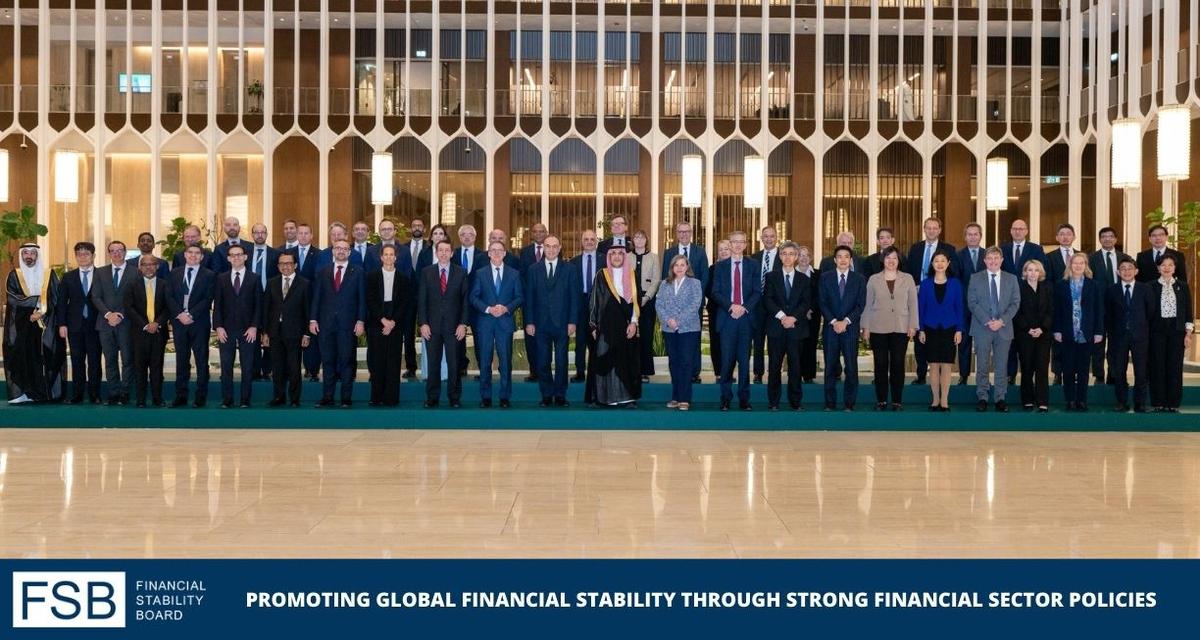
FSB Regional Consultative Group for Middle East and North Africa Meets Virtually
Why It Matters
The meeting underscores the need for coordinated policy responses to emerging risks in a geopolitically volatile region, helping to safeguard global financial stability and investor confidence.
Key Takeaways
- •Virtual meeting co‑chaired by Egypt and Turkey central bank governors
- •Discussed global and regional financial stability vulnerabilities in MENA
- •Reviewed FSB’s 2026 work plan and policy priorities
- •Emphasized coordination among central banks, regulators, and authorities
- •Highlighted need for resilience amid regional economic shocks
Pulse Analysis
The Financial Stability Board’s Regional Consultative Group for the Middle East and North Africa (RCG MENA) serves as a bridge between the global standards‑setting body and the region’s diverse financial regulators. By gathering senior officials from central banks, supervisory agencies and ministries, the group facilitates the exchange of data, best practices, and policy proposals tailored to the unique macro‑economic dynamics of the MENA corridor. The virtual session on 30 April, led by Egypt’s Governor Hassan Abdalla and Turkey’s Governor Fatih Karahan, reaffirmed the RCG’s role in translating global stability frameworks into actionable regional strategies.
During the meeting, participants zeroed in on a suite of vulnerabilities that have intensified over the past year. Persistent geopolitical tensions, fluctuating oil revenues, and heightened sovereign‑debt exposure have strained banking sectors across the Gulf and North Africa. Moreover, cross‑border capital flows remain sensitive to external shocks such as tightening monetary policy in advanced economies. By spotlighting these risks, the RCG aims to harmonise supervisory approaches, encourage stress‑testing aligned with FSB guidelines, and promote liquidity buffers that can absorb sudden market dislocations.
Looking ahead, the FSB’s 2026 work agenda—reviewed in the session—places particular emphasis on digital‑finance oversight, climate‑related financial risks, and the development of macro‑prudential tools suited to emerging markets. For investors and multinational firms operating in the region, the group’s coordinated efforts signal a more predictable regulatory environment, reducing the cost of compliance and enhancing market confidence. Continued collaboration among MENA regulators will be pivotal in translating these policy commitments into resilient financial systems that can weather both regional upheavals and global economic cycles.
FSB Regional Consultative Group for Middle East and North Africa meets virtually
Comments
Want to join the conversation?
Loading comments...