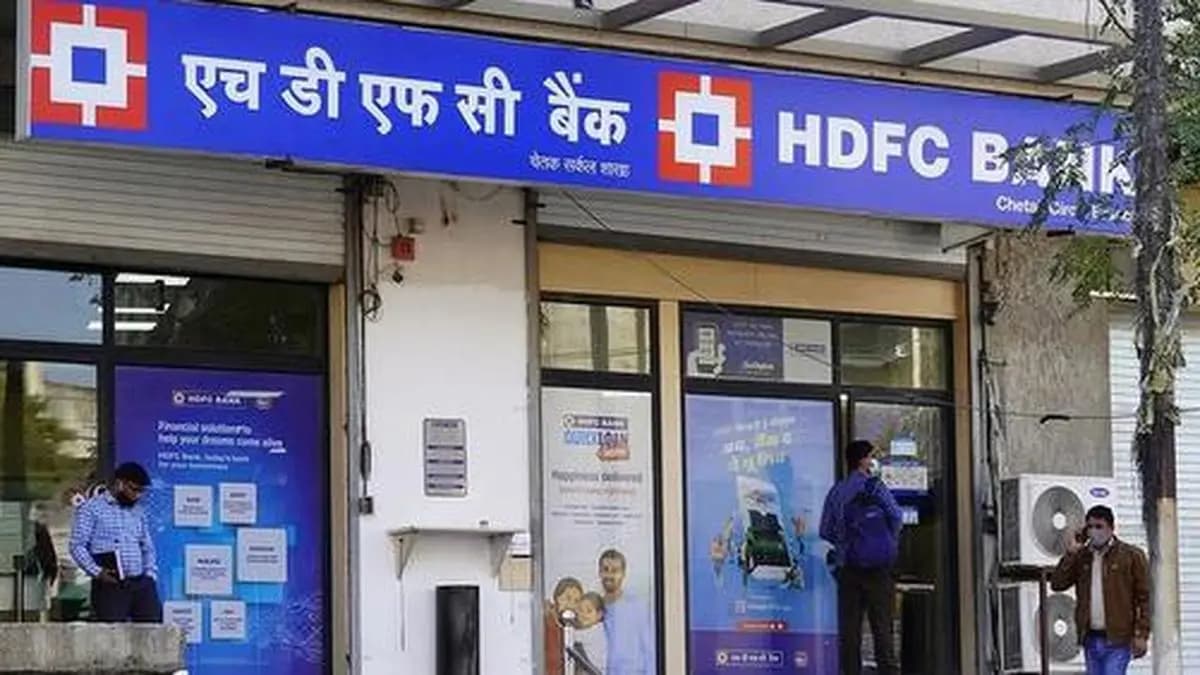
HDFC Bank Falls on Report of Payments to Attract Big Deposits
Companies Mentioned
Why It Matters
The allegations raise serious compliance and governance questions for one of India’s largest banks, potentially prompting tighter regulator scrutiny and affecting investor confidence. A prolonged controversy could impact the bank’s cost‑of‑funds strategy and its ability to attract deposits without resorting to illicit incentives.
Key Takeaways
- •HDFC Bank paid ≈$4.7M to Maharashtra road agency
- •Shares dropped 1.9% to ₹764.20 after report
- •CEO Jagdishan allegedly aware of illegal deposit incentives
- •Governance concerns rise after chairman Chakraborty resignation
- •Legal review pending; no material lapses found yet
Pulse Analysis
India’s banking sector is fiercely competitive, with lenders constantly seeking cheaper, stable funding sources. Deposit growth is a key metric for banks like HDFC, which relies on a broad retail base to fund its loan book. Regulatory rules prohibit offering varied interest rates or other inducements to attract deposits, aiming to preserve market fairness and protect savers. When a major player appears to sidestep these rules, it not only threatens its own reputation but also tests the robustness of the supervisory framework overseeing Indian financial institutions.
The report that HDFC Bank funneled about $4.7 million to a state‑run road corporation, disguised as marketing spend, has immediate market repercussions. The stock fell 1.9% to ₹764.20, extending a broader 9.5% decline since the abrupt resignation of part‑time chairman Atanu Chakraborty in March. Chakraborty’s departure, citing personal ethical misalignments, already signaled governance turbulence. Now, with CEO Sashidhar Jagdishan allegedly aware of the payments, the bank faces heightened scrutiny over its internal controls, especially as Jagdishan’s three‑year term expires in October and a re‑appointment application remains pending.
For the wider Indian banking landscape, this episode could trigger a ripple effect. Regulators may tighten oversight of deposit‑raising practices, prompting banks to reassess incentive structures and compliance protocols. Investors, already wary of governance lapses, might demand greater transparency and faster resolution of the legal review. Should the review uncover material violations, HDFC could face fines, remediation costs, or restrictions on future deposit‑raising activities, potentially reshaping its funding strategy and influencing peer institutions to adopt more stringent ethical standards.
HDFC Bank falls on report of payments to attract big deposits
Comments
Want to join the conversation?
Loading comments...