Companies Mentioned

Why It Matters
Digital‑wallet engagement drives significantly higher spend and loyalty, so banks that secure the top‑of‑wallet slot capture premium revenue while those that falter lose customers to rivals.
Key Takeaways
- •Wallet users spend 4‑5× more than non‑wallet card users
- •Over $15 trillion in annual payments flow through digital wallets
- •5 billion global users make wallets mainstream for banks
- •Reliable card loading and first‑transaction success secures top‑of‑wallet status
- •Banks act as payment “plumbing,” handling fraud and service reliability
Pulse Analysis
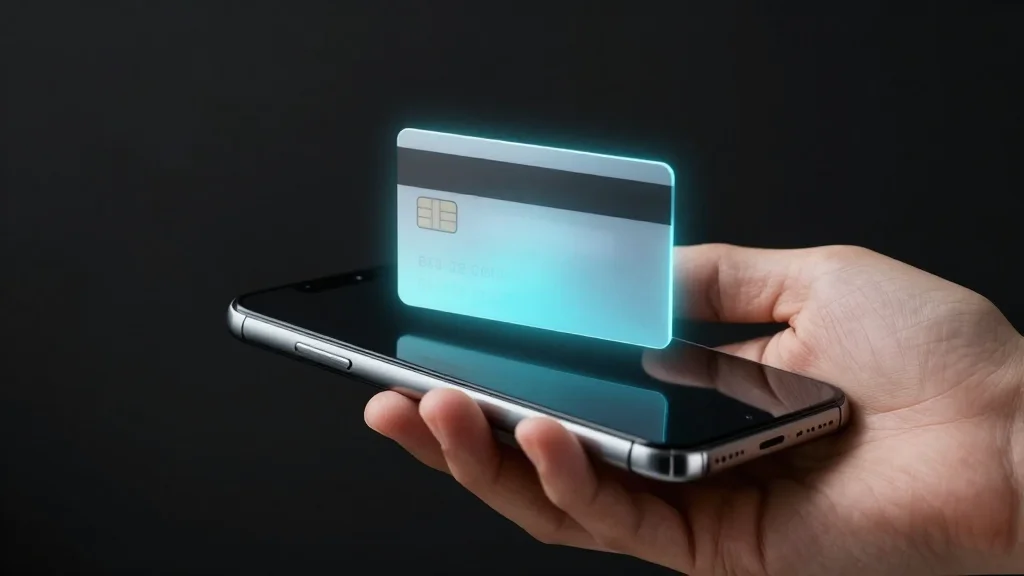
The proliferation of digital wallets has moved from a niche convenience to a core payment channel. Worldpay estimates more than $15 trillion in yearly transaction volume, while Global Statistics counts over 5 billion active users worldwide. This scale forces banks to become the invisible infrastructure that powers Apple Pay, Google Pay, and other third‑party apps. When a consumer taps a phone, the bank’s processing rails, fraud‑prevention engines, and settlement systems execute the payment, making reliability and speed non‑negotiable for maintaining trust.
From a revenue perspective, the difference is stark. Barclays’ Anuj Arora reported that cardholders who load their cards into a digital wallet generate four to five times the spend of those who transact only with physical cards. The first successful transaction after loading a card often cements a habit, as Tim Mills of Regions Bank observed; a smooth experience encourages the consumer to keep that card at the top of the wallet. Consequently, banks that prioritize seamless onboarding, instant tokenization, and real‑time fraud alerts capture the most engaged, high‑margin customers.
Looking ahead, digital wallets are evolving into full‑stack financial operating systems that blend payments with investing, lending, and cross‑border transfers. Institutions that view the wallet as merely a channel risk being displaced by fintechs that can offer an integrated experience. To stay competitive, banks must invest in API‑first architectures, real‑time data analytics, and partnerships that surface value‑added services—such as spending insights or instant credit offers—directly within the wallet interface. By treating the wallet as the primary customer touchpoint, banks not only safeguard revenue streams but also position themselves as trusted custodians of the emerging “top‑of‑wallet” ecosystem.
How banks reach for the 'top of the wallet'
Comments
Want to join the conversation?
Loading comments...