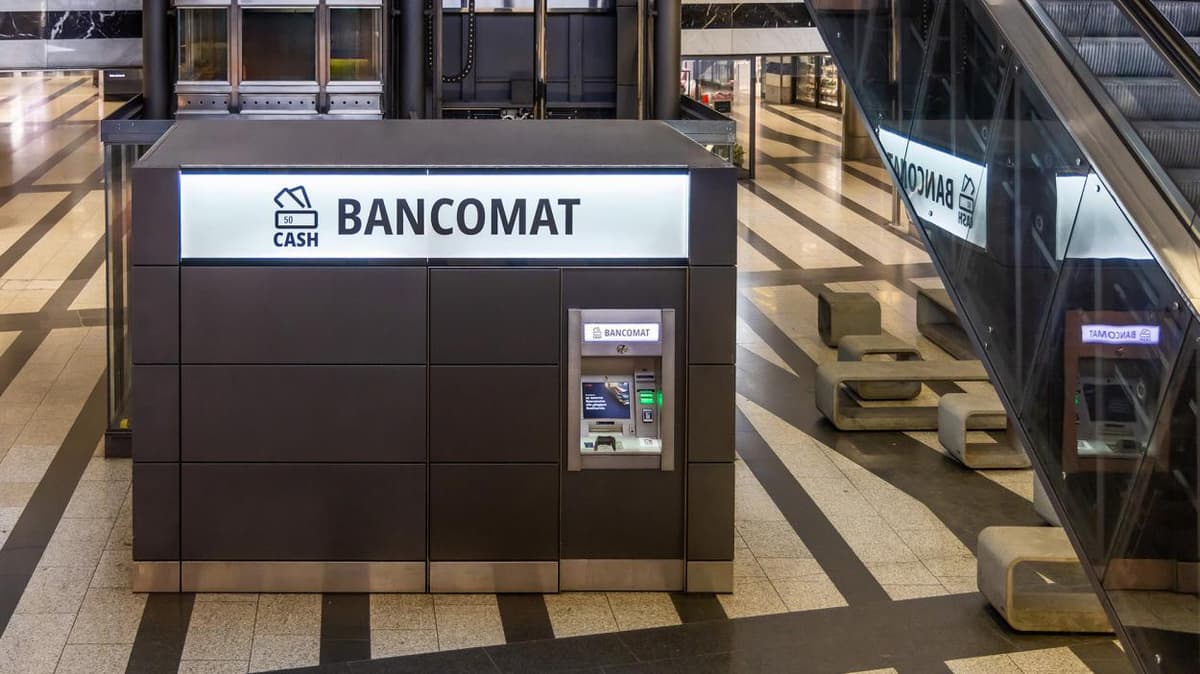
How Much Do Automated Teller Machines Cost?
Why It Matters
Understanding the true cost base of ATMs clarifies why banks charge fees and underscores the need for shared‑service models to sustain cash availability as usage falls.
Key Takeaways
- •Swiss ATM operating costs total $704‑$968 million annually
- •Each ATM costs $50‑$60 k per year to run
- •Transaction cost rises to $2.20 per withdrawal
- •Fixed personnel and infrastructure costs drive high per‑transaction fees
- •Cooperative ATMfutura model aims to share costs and maintain access
Pulse Analysis
Even as digital payments surge, Switzerland’s cash ecosystem remains costly. A recent SIX‑led study reveals that the nation spends roughly $704‑$968 million each year on cash distribution, with each machine demanding $50‑$60 k in annual operating expenses. Because two‑thirds of these outlays are fixed—covering site rent, security, monitoring and staff—transaction volumes have a muted effect on total spend, pushing the per‑withdrawal cost to about $2.20, far above the $0.20‑$0.30 typical in high‑usage markets.
The fixed‑cost dynamic reshapes how banks think about fees and service models. While customers often see ATM fees as a direct charge, the underlying expenses stem from a complex supply chain: cash forecasting, secure logistics, 24/7 monitoring, and regulatory compliance. As cash usage declines, banks cannot simply trim these overheads, leading to higher per‑transaction costs that may be passed on through inter‑bank surcharge structures. This reality fuels public debate over fee transparency and challenges banks to justify fee structures beyond simple profit motives.
To mitigate rising costs, Swiss banks have embraced the ATMfutura platform, a cooperative framework that pools infrastructure, standardises software, and allocates expenses equitably among participants. By sharing maintenance, security and cash‑in‑transit services, banks reduce duplication and achieve economies of scale, preserving cash access even in low‑traffic locations. The model also offers flexibility to adapt to future shifts, such as increased card‑less withdrawals or integration with digital wallets, ensuring that the cash supply chain remains resilient while keeping consumer fees in check.
How Much Do Automated Teller Machines Cost?
Comments
Want to join the conversation?
Loading comments...