Companies Mentioned
Why It Matters
By leveraging its open‑loop infrastructure, Visa can broaden merchant acceptance and capture new revenue streams in high‑value B2B verticals, reshaping how businesses pay and get paid.
Key Takeaways
- •Visa eyes $145 trillion B2B payments market via vertical strategy.
- •Targets $1.4 trillion trucking fleet payments with open‑loop solutions.
- •Expands into online travel agencies, winning Trip.com contract.
- •AI agents aim to automate invoicing and reconciliation.
- •Open‑loop offers broader merchant acceptance versus closed‑loop rivals.
Pulse Analysis
The business‑to‑business payments landscape, estimated at roughly $145 trillion, remains fragmented and dominated by closed‑loop platforms that restrict merchants to specific networks. Visa’s decision to attack this space vertical by vertical reflects a broader industry shift toward open‑loop solutions that promise greater flexibility, fraud protection, and digital‑wallet integration. By positioning its commercial pay suite as a universal conduit, Visa hopes to tap untapped addressable markets that have historically been locked behind proprietary systems.
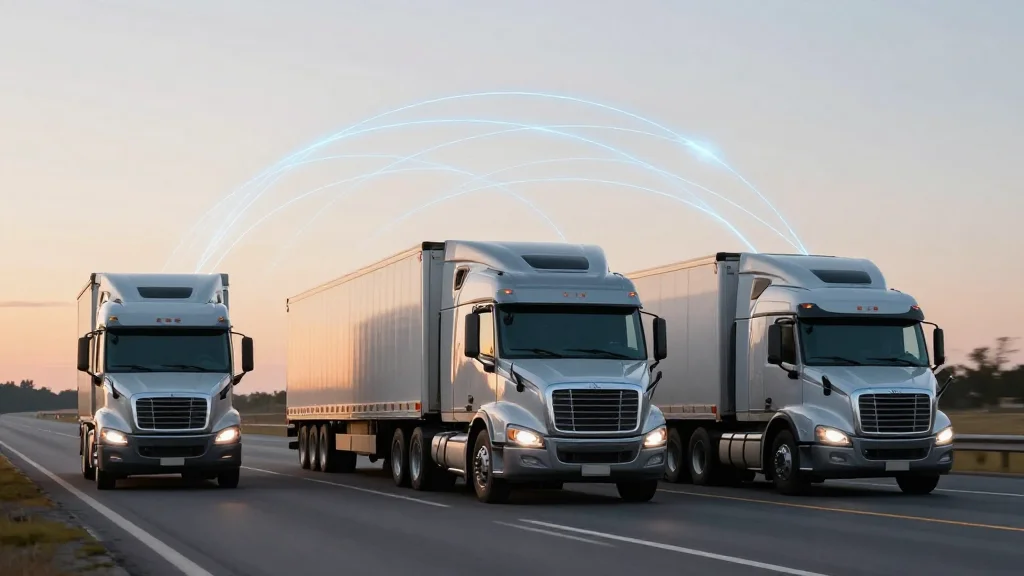
Trucking and fleet management represent a lucrative entry point, with an estimated $1.4 trillion in annual payments. Competitors like Wex and Corpay operate closed‑loop models that limit drivers to designated fuel stations and service providers. Visa’s open‑loop cards, however, enable drivers to purchase fuel, meals, lodging, and other services anywhere Visa is accepted, delivering a seamless experience akin to consumer payments. This approach not only widens the merchant base but also introduces Visa’s advanced fraud‑prevention tools, potentially shifting fleet operators toward a more versatile payment ecosystem.
Beyond logistics, Visa is courting the online travel agency (OTA) sector, securing Trip.com and expanding collaborations with Checkout.com. The move aligns with the growing “consumerization” of B2B payments, where enterprises expect the same speed and convenience as personal transactions. Artificial intelligence is poised to accelerate this transformation; AI‑driven agents could automate invoice matching, reconciliation, and payment chasing, reducing manual effort and errors. If Visa successfully integrates AI into its open‑loop platform, it could set a new standard for efficiency across multiple B2B verticals, challenging entrenched players and redefining the future of corporate finance.
How Visa targets B2B payments
Comments
Want to join the conversation?
Loading comments...