IDC Under Scrutiny as Entrepreneurs Detail Liquidation Fallout
Companies Mentioned
Why It Matters
The dispute highlights a clash between the IDC’s stated developmental mandate and its enforcement tactics, risking job losses and eroding confidence in state‑backed financing for black‑owned businesses. A credible inquiry could reshape South Africa’s DFI policies and affect future investment flows.
Key Takeaways
- •Entrepreneurs allege IDC’s aggressive liquidation undermines its development mandate
- •Black‑owned firms lost jobs after IDC forced asset sales at steep discounts
- •IDC reports R2 billion (~$105 M) spent on restructuring in FY 2024/25
- •Legal challenges cite false client data and procedural unfairness in loan rejections
- •Calls grow for formal inquiry and a Developmental Recovery Charter
Pulse Analysis
South Africa’s Industrial Development Corporation (IDC) sits at the centre of a growing debate over the role of state‑owned development finance institutions in a strained economy. While the IDC is mandated to catalyse industrial growth and support black‑owned enterprises, recent data shows a surge in business distress across sectors such as manufacturing, agro‑processing and energy. The corporation points to macro‑level challenges—persistent electricity shortages, logistics bottlenecks and rising input costs—that have driven a record 1,534 liquidations in 2025, according to Stats SA. In response, the IDC says it has earmarked roughly R2 billion (~$105 M) for restructuring, balance‑sheet repair and working‑capital support during the 2024/25 financial year, emphasizing a patient‑investor approach distinct from commercial banks.
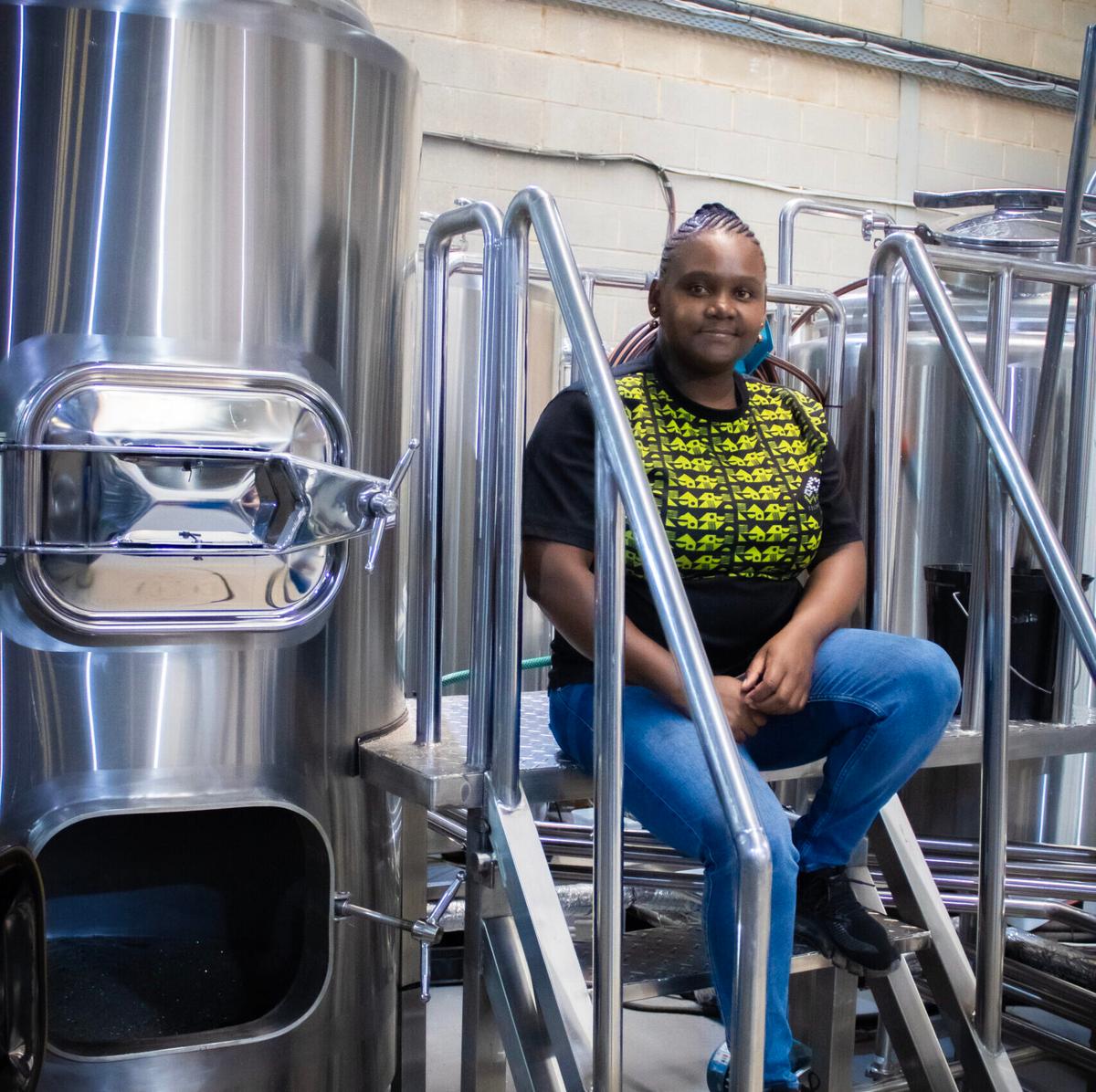
However, entrepreneurs like Apiwe Nxusani‑Mawela of Brewsters Craft and Angus Norkie of Nocks Oil argue that the IDC’s enforcement actions have been disproportionately harsh and procedurally flawed. Nxusani‑Mawela’s R10 million (~$525k) loan was followed by a legal‑department takeover that resulted in the sale of R6.7 million (~$353k) in assets for just R1.3 million (~$68k), wiping out jobs and training programmes. Norkie’s rejected R45 million (~$2.4 M) funding request was based on alleged client feedback that he later proved never occurred, raising concerns about false information and violations of the Promotion of Administrative Justice Act. Both cases have spurred legal challenges, with Norkie taking his dispute to the Constitutional Court after a Public Protector finding in favour of the IDC.
The mounting pressure from the National African Federated Chamber of Commerce (Nafcoc), opposition parties and civil society is now demanding a formal inquiry and the creation of a Developmental Recovery Charter that would prioritize restructuring over foreclosure. If implemented, such reforms could restore confidence among black‑owned SMEs, safeguard thousands of jobs, and align the IDC’s practices with its developmental mandate. Conversely, failure to address these concerns may deter private‑sector participation, limit access to capital for historically disadvantaged entrepreneurs, and undermine South Africa’s broader industrialisation agenda. Stakeholders across the investment community are watching closely, as the outcome will likely set a precedent for how development finance institutions balance fiscal prudence with inclusive growth objectives.
IDC under scrutiny as entrepreneurs detail liquidation fallout
Comments
Want to join the conversation?
Loading comments...