It's a Wonderful Life (as Long as You've Got a Job)
•March 9, 2026
0
Why It Matters
Regulators must prioritize bank solvency over panic‑driven liquidity fixes, and policymakers need to monitor oil‑price shocks and labor market trends to gauge recession risk.
Key Takeaways
- •Fed study: runs follow insolvency, not liquidity.
- •Healthy banks historically survived deposit runs.
- •February 2024 saw 92,000 net job losses.
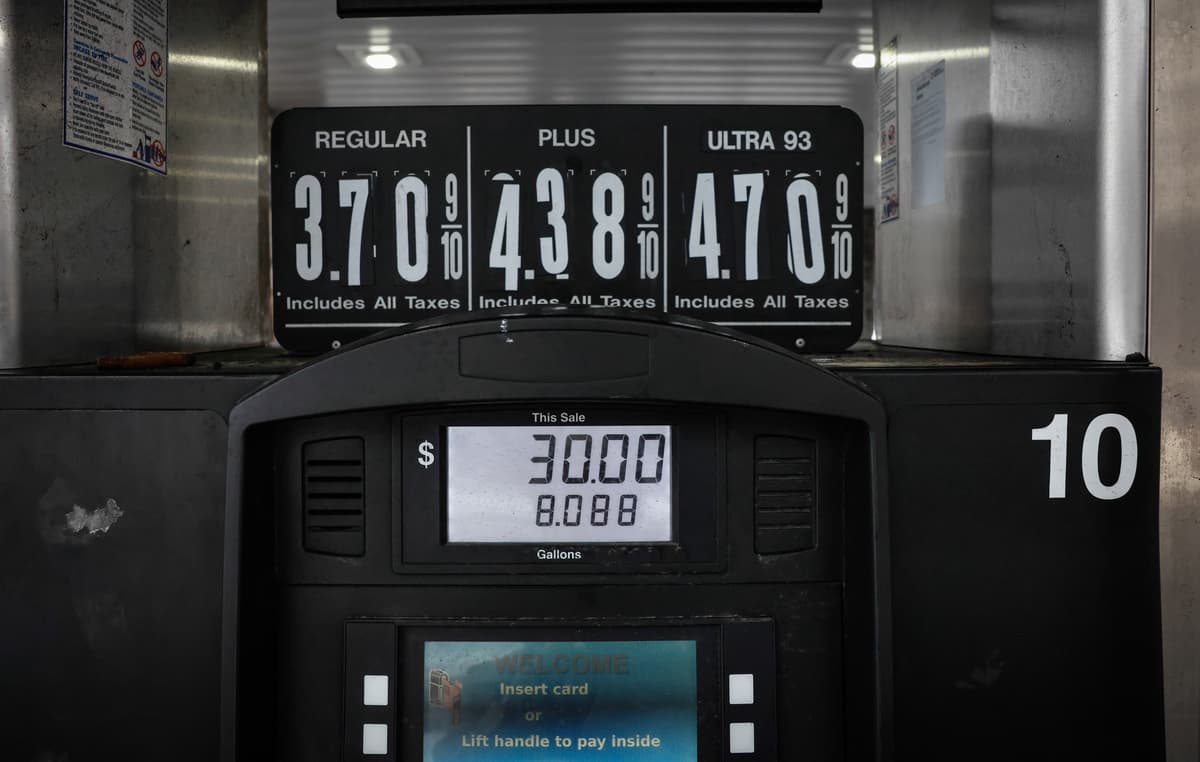
- •Middle East tensions could push oil to $150/barrel.
- •Chicago Fed index at -0.06, recession threshold -0.70.
Pulse Analysis
The Federal Reserve’s historical analysis of bank failures reshapes how regulators view liquidity crises. By tracing thousands of collapses to underlying insolvency, the study suggests that well‑capitalized institutions can survive sudden deposit withdrawals without systemic fallout. This insight reinforces the case for stronger capital buffers and proactive stress testing, shifting focus from short‑term panic management to long‑term balance‑sheet health, a lesson especially pertinent as digital banking accelerates deposit volatility.
On the macro front, February’s labor report revealed a loss of 92,000 jobs, a signal that the post‑pandemic employment rebound is losing momentum. Coupled with geopolitical tensions that could lift crude to $150 per barrel, consumer price pressures may intensify, eroding real wages. Simultaneously, the rise of AI‑driven automation threatens to displace workers across sectors, adding a structural headwind to an already fragile job market. These dynamics could feed into higher inflation and dampen consumer spending, echoing the oil‑price shock of 2008 that precipitated a broader downturn.
Yet the broader economy shows signs of resilience. The Chicago Fed’s National Activity Index, a momentum‑focused gauge, sits at –0.06, comfortably above the –0.70 recession threshold. This suggests that while pockets of weakness exist, aggregate demand remains sufficient to avoid a deep contraction. Policymakers should therefore balance caution with targeted support, monitoring both financial‑sector health and real‑economy indicators to navigate the intersecting risks of energy volatility, labor displacement, and potential credit stress.
It's a wonderful life (as long as you've got a job)
0
Comments
Want to join the conversation?
Loading comments...