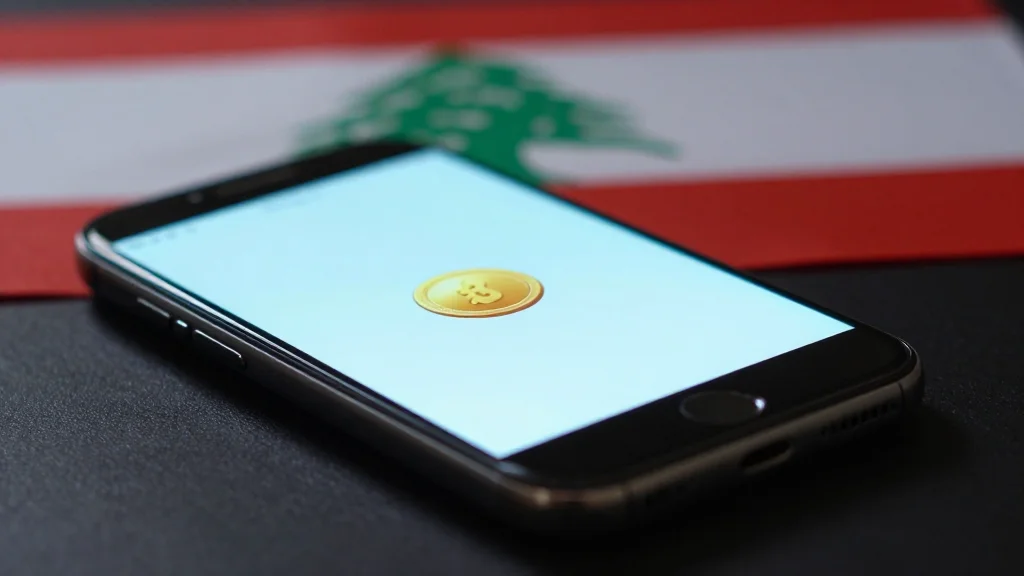
Lebanon Leverages Digital Wallets to Aid Over One Million Displaced Amid Banking Collapse

Why It Matters
The rapid adoption of digital wallets in Lebanon illustrates how fintech can fill critical gaps when conventional banking fails, offering a template for crisis‑zone financial inclusion worldwide. By enabling instant, peer‑to‑peer transfers, platforms reduce reliance on cash, lower transaction friction, and improve the speed of humanitarian assistance. However, the surge also spotlights regulatory challenges: without clear oversight, informal flows could expose users to fraud, money‑laundering risks, and data breaches. Policymakers must balance the need for swift aid delivery with safeguards that protect both donors and recipients. Moreover, the shift underscores the growing economic power of diaspora communities, whose remittances now flow through digital channels rather than legacy correspondent banks. This could permanently alter Lebanon’s financial architecture, prompting a reevaluation of how central banks engage with fintech firms and how aid agencies design distribution mechanisms in conflict‑affected economies.
Key Takeaways
- •Over 1 million displaced Lebanese are receiving aid via digital wallets as banks freeze deposits.
- •Whish Money serves 2 million users in 110 countries and links directly to U.S. banking infrastructure.
- •Grassroots campaign by lawyer Jad Essayli raised $65,125 in 10 days through social‑media‑driven transfers.
- •UNDP estimates informal inflows represent about 70% of cash movements during the crisis.
- •Remittance costs in Lebanon average 11%, higher than the global average, prompting a shift to low‑cost digital channels.
Pulse Analysis
Lebanon’s fintech surge is more than a stop‑gap; it signals a structural pivot in how humanitarian finance can operate when sovereign banking systems collapse. Historically, aid has traveled through banks, NGOs, and cash‑based distribution networks, each fraught with delays and leakage. The digital‑wallet model compresses that timeline dramatically: funds move in seconds, recipients can spend immediately, and donors gain near‑real‑time visibility. This efficiency is especially vital in a context where over a million people are living in makeshift shelters and traditional cash logistics are untenable.
From a market perspective, the crisis has accelerated user acquisition for platforms like Whish Money, pushing them from niche gift‑card services into full‑scale financial ecosystems. Their ability to bridge U.S. banking APIs with Lebanese wallets creates a de‑facto correspondent‑bank relationship that bypasses the central bank’s capital controls. If this model proves resilient, it could attract further investment, prompting larger fintech players to enter the market or partner with local startups, potentially reshaping Lebanon’s financial sector long after the war subsides.
Regulators, however, face a dilemma. The rapid inflow of informal funds—estimated at 70% of total cash movements—occurs largely outside the purview of anti‑money‑laundering frameworks. While the immediate humanitarian benefit is clear, unchecked channels could be exploited for illicit financing or expose users to cyber‑risk. A pragmatic response would involve creating a sandbox environment where fintech firms can operate under provisional oversight, ensuring transparency without stifling the speed that crisis responders need. In sum, Lebanon’s digital‑wallet experiment may become a case study for future conflict‑zone finance, illustrating both the promise of fintech‑enabled aid and the regulatory tightrope that must be walked.
Lebanon Leverages Digital Wallets to Aid Over One Million Displaced Amid Banking Collapse
Comments
Want to join the conversation?
Loading comments...