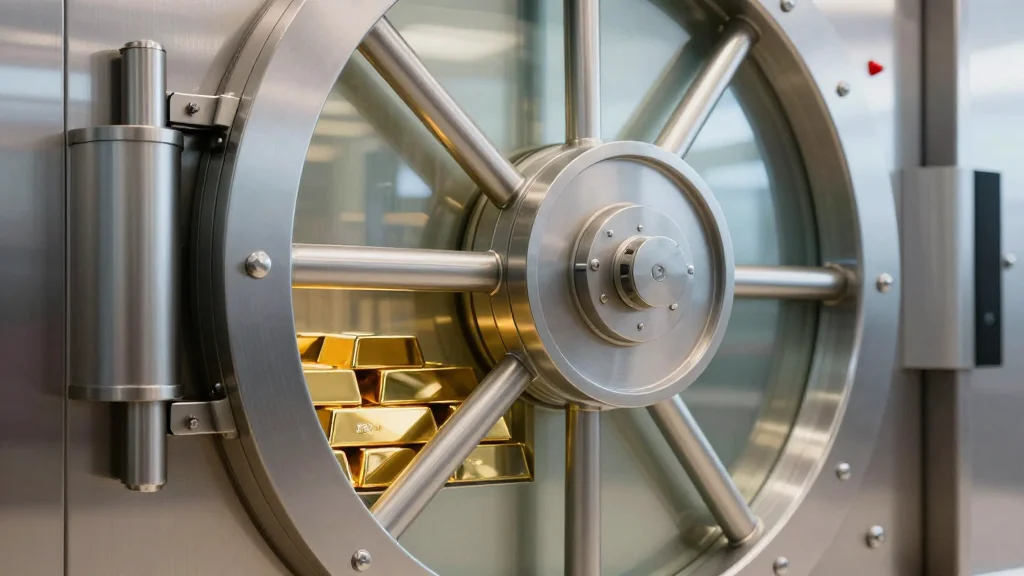
Money Laundering Using Financial Businesses
Why It Matters
The pervasive misuse of diverse financial channels heightens regulatory risk and forces institutions to strengthen AML controls, impacting compliance costs and reputational exposure across the sector.
Key Takeaways
- •Wire transfers remain top method for laundering large volumes
- •Private banking's confidentiality attracts high‑net‑worth criminals
- •Credit‑card prepayments enable layering without cash use
- •Money services businesses facilitate cross‑border currency conversion
- •Regulators pressure banks to tighten AML controls across all channels
Pulse Analysis
Wire transfers are the workhorse of modern money‑laundering schemes because they move funds instantly across borders with minimal friction. Criminals exploit both the placement and layering stages by initiating unauthorized transfers, often using stolen credit‑card cash advances, then splitting, recombining, and routing the money through multiple banks and jurisdictions. The technique makes tracing the original source difficult, especially when amounts stay below reporting thresholds. Law‑enforcement agencies note that organized groups such as Italy’s Ndrangheta average ninety separate transactions per laundering cycle, illustrating how volume and dispersion amplify anonymity.
Private banking offers a fertile ground for illicit capital due to its high‑touch service model and built‑in confidentiality. Wealthy clients—who may include cartel leaders or corrupt officials—receive personalized asset‑management solutions, and banks earn sizable fees tied to assets under management. This profit motive can blunt scrutiny, allowing money launderers to embed proceeds within legitimate portfolios. Historical prosecutions, such as the conviction of two former American Express Bank International private bankers for facilitating the Juan Garcia Abrego cartel, underscore the vulnerability of semi‑autonomous private‑banking units to regulatory breach.
Beyond banks, credit‑card prepayments and money‑services businesses (MSBs) extend the laundering toolkit. Preloaded credit cards create a clean‑looking refund trail that can be used to purchase goods or fund further transactions without raising cash‑deposit alerts. MSBs—currency exchangers, remittance firms, and check‑cashing outlets—convert illicit dollars into local currency, often disguising the flow as legitimate foreign‑exchange or import‑export activity. In response, regulators worldwide are tightening AML obligations, mandating enhanced due‑diligence, transaction monitoring, and real‑time reporting for both traditional banks and non‑bank financial institutions. Firms that adopt robust controls and cross‑institutional data sharing can better disrupt the layered pathways criminals rely on.
Money Laundering using Financial Businesses
Comments
Want to join the conversation?
Loading comments...