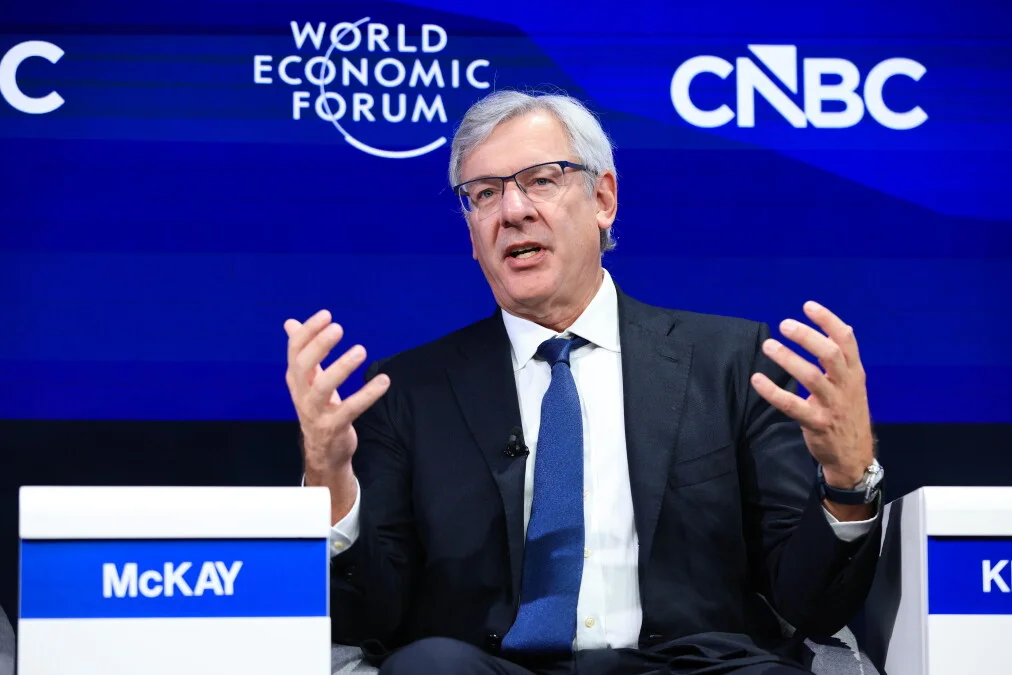
RBC Lowers Provisions, Even Amid Uncertainty From Tariffs and War
Why It Matters
The move signals that RBC’s credit risk outlook remains favorable despite macroheadwinds, bolstering investor confidence and setting a benchmark for North‑American banks navigating geopolitical volatility.
Key Takeaways
- •RBC cut Q2 loss provisions to CA$912 million (~$675 M USD)
- •Net income rose 25% to CA$5.5 billion (~$4.1 B USD)
- •Capital markets earnings jumped 23% to CA$1.5 billion
- •City National U.S. unit doubled net income to $127 million
- •Executives cite tariff and Iran war risks despite lower provisions
Pulse Analysis
RBC’s decision to trim its loss provisions comes at a time when many banks are tightening credit buffers amid global uncertainty. By reducing its provision to CA$912 million, the bank signaled confidence in the underlying credit quality of its loan portfolio, a view reinforced by chief risk officer Graeme Hepworth’s observation of stabilising credit indicators. This stance contrasts with the broader market’s cautious tone, where heightened tariffs, the ongoing Iran conflict, and unresolved CUSMA negotiations have pressured risk assessments across the sector.
The earnings beat was driven not only by the lower provisions but also by strong contributions from capital markets and wealth management, which grew 23% and 28% year‑over‑year respectively. Such diversification highlights RBC’s strategic focus on higher‑margin businesses that can offset potential headwinds in traditional lending. Moreover, the impressive turnaround at City National—its U.S. subsidiary—demonstrates the bank’s ability to replicate success across borders, with net income more than doubling to $127 million and loan growth of 9%.
Analysts view RBC’s performance as a bellwether for Canadian banking resilience. While executives openly acknowledge macro risks, the bank’s operational results suggest that prudent risk modelling and a balanced revenue mix can mitigate external shocks. Investors will watch closely to see if RBC maintains this trajectory, especially as trade negotiations and geopolitical tensions evolve, potentially reshaping credit dynamics in North America.
RBC lowers provisions, even amid uncertainty from tariffs and war
Comments
Want to join the conversation?
Loading comments...