RBI Allows Banks to Extend Relief Measures to Borrowers without Their Requests in Disaster-Hit Areas
Companies Mentioned

Reserve Bank of India
Why It Matters
The framework accelerates credit support during emergencies, curtails default spikes, and creates a uniform, risk‑adjusted response across India’s banking system, bolstering financial stability and borrower protection.
Key Takeaways
- •RBI relief guidelines take effect July 1, 2026.
- •Banks can grant relief without borrower request, opt‑out within 135 days.
- •Eligible borrowers: standard accounts, not over 30‑day delinquency.
- •Additional 5% specific provision required, up to 100% ceiling.
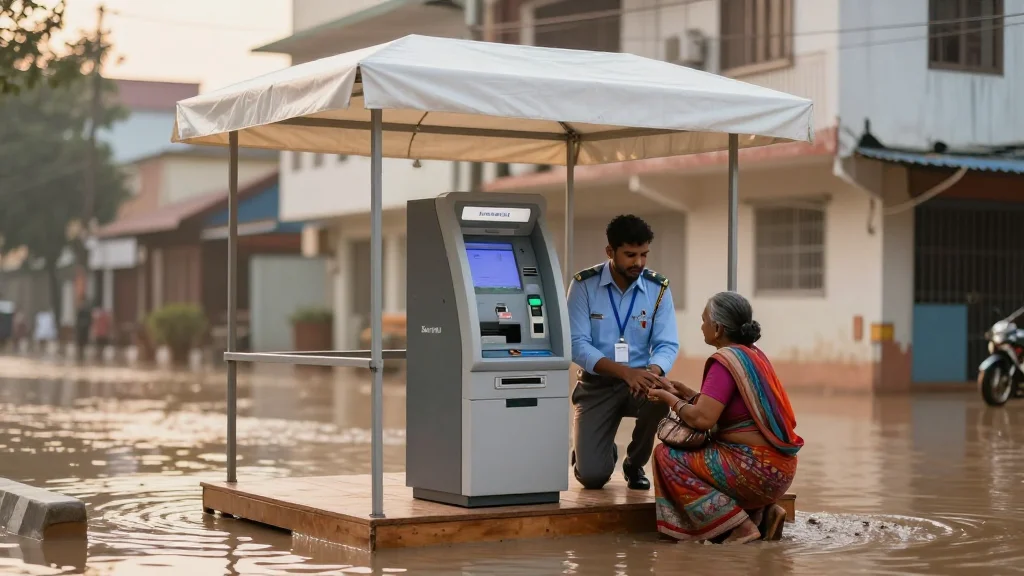
- •Temporary branches, mobile units, and ATM restoration mandated for affected areas.
Pulse Analysis
India’s banking sector has long grappled with the lag between natural disasters and the delivery of credit relief. By authorising banks to extend assistance automatically, the RBI aims to close that gap, ensuring that households and small businesses receive timely support when infrastructure is disrupted. This proactive stance reflects a broader regulatory shift toward resilience, recognizing that waiting for borrower applications can exacerbate financial distress and delay recovery in flood‑prone or earthquake‑affected regions.
The new guidelines lay out clear eligibility criteria: borrowers with ‘Standard’ accounts who are not more than 30 days delinquent qualify for fee waivers, reduced charges, and other concessions for up to a year. Importantly, accounts that fall into non‑performing status during the calamity can be re‑classified as Standard once a resolution plan is executed, preventing premature classification as NPA. To offset the heightened credit risk, banks must create an extra 5% specific provision on the restructured exposure, a buffer that sits above existing prudential requirements but is capped at 100% of the loan amount. This provision balances risk management with the need to keep credit flowing.
For the industry, the policy signals a more coordinated disaster‑response architecture, aligning commercial banks, cooperative institutions, and NBFCs under a single set of rules. It also encourages the deployment of satellite branches, mobile banking vans, and rapid ATM restoration, which can sustain cash flow in isolated communities. While the additional provisioning may tighten capital ratios temporarily, the overall effect is likely to reduce systemic stress by preventing a cascade of defaults. As climate‑related events become more frequent, the RBI’s framework could serve as a template for other emerging markets seeking to embed resilience into their financial systems.
RBI allows banks to extend relief measures to borrowers without their requests in disaster-hit areas
Comments
Want to join the conversation?
Loading comments...