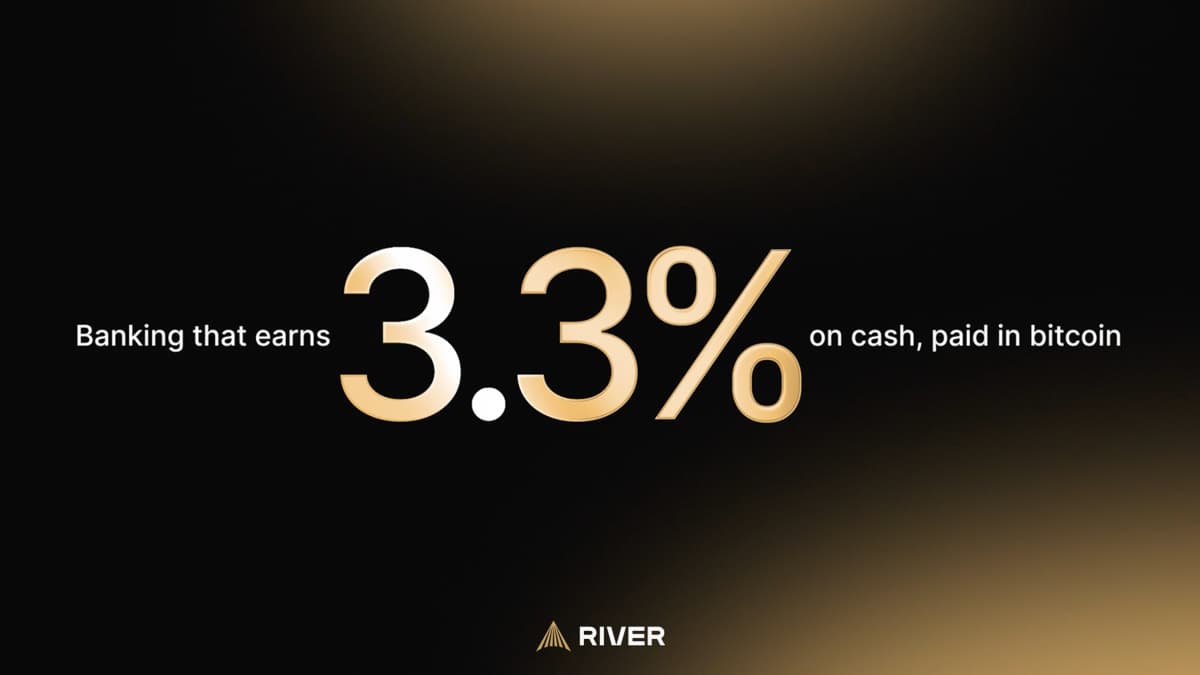
River Challenges Banks that Have Made Billions Ripping Off Americans
Why It Matters
By delivering a crypto‑linked yield that exceeds typical bank rates, River challenges the legacy banking model and gives inflation‑hit consumers a viable alternative for preserving purchasing power. The move signals growing mainstream acceptance of bitcoin as a component of everyday financial management.
Key Takeaways
- •River offers 3.3% APY paid in bitcoin, FDIC insured up to $250k
- •No monthly fees; only transaction fees for buying/selling bitcoin
- •Direct deposit auto‑invests paycheck into bitcoin, simplifying wealth building
- •Targets inflation‑hit savers seeking yields higher than traditional banks
- •Bill pay unavailable in HI, MN, NJ, limiting some users
Pulse Analysis
The United States is grappling with an inflationary environment that has eroded real wages for decades. Since the dollar left the gold standard in 1971, consumer prices have risen roughly tenfold while nominal wages have grown only about 40 percent, leaving many households unable to preserve purchasing power. Traditional banks have responded by offering near‑zero interest on deposits, effectively handing the spread to the institutions themselves. As a result, savers are increasingly looking for alternatives that can at least keep pace with inflation, and cryptocurrency—particularly bitcoin—has emerged as a high‑yield option for a growing segment of the population.
River, a bitcoin‑focused fintech founded in 2019, entered the market with a hybrid banking product that promises a 3.3% annual percentage yield paid in bitcoin on every dollar held. The service bundles checking‑style functionality—direct deposit, bill payment, and a U.S.-based customer‑service team—with a full‑reserve, FDIC‑insured cash account up to $250,000. Fees are limited to specific bitcoin transactions, and there are no monthly maintenance charges. By automatically converting incoming paychecks into bitcoin, River aims to turn everyday cash flow into a long‑term wealth‑building engine, albeit with the volatility inherent to digital assets.
The launch positions River against both legacy banks and newer crypto‑banking rivals such as BlockFi and Gemini. If the 3.3% yield remains competitive, the product could attract tens of thousands of inflation‑squeezed consumers seeking higher returns without the complexity of managing separate investment accounts. However, regulatory scrutiny remains a headwind; the platform’s reliance on a lead bank for FDIC coverage does not shield users from bitcoin price risk, and state‑level restrictions already limit bill‑pay functionality in three jurisdictions. Nonetheless, River’s model illustrates a broader shift toward integrated crypto‑banking solutions that blend traditional safety nets with digital‑asset upside.
River challenges banks that have made billions ripping off Americans
Comments
Want to join the conversation?
Loading comments...