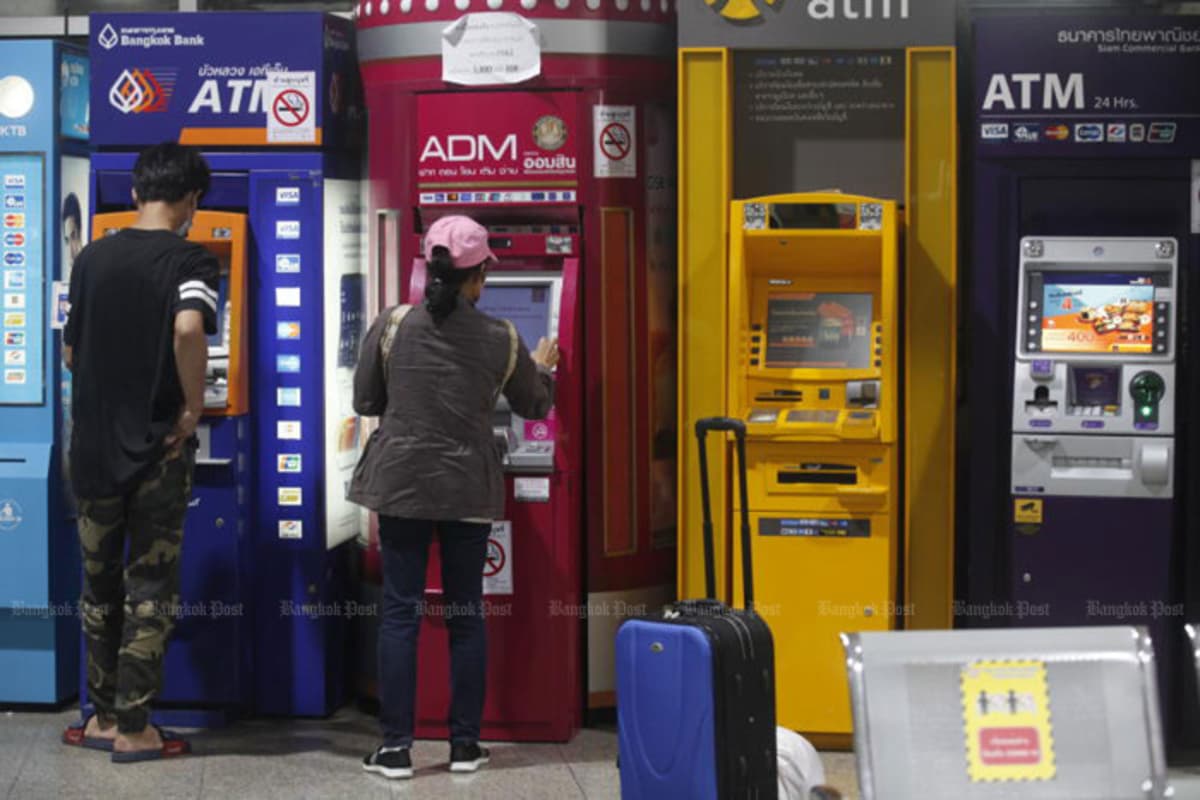
Standardised Thai Bank Fees Expected by July
Why It Matters
Standardizing fees reduces financial burdens on consumers and small businesses, potentially boosting credit uptake and economic activity. It also signals the central bank’s proactive stance to stabilize the banking sector amid global energy price volatility.
Key Takeaways
- •Bank of Thailand to standardize 10‑15 retail and SME fees by July
- •Credit‑card cash withdrawal fees capped at 2‑2.5 %
- •New loan fees limited to 2.5 % for up to 250k baht (~$7k)
- •SME Credit Boost guarantees loans, encouraging energy‑transition investments
- •SME Secured Plus lets banks value collateral with cash‑flow data
Pulse Analysis
The Bank of Thailand’s decision to standardize a suite of retail and small‑business banking fees marks a rare regulatory intervention in a market traditionally dominated by price‑setting banks. By capping charges such as credit‑card cash withdrawals, account‑maintenance fees, and inter‑provincial transfers, the central bank hopes to translate the lower operating costs of digital banking into tangible savings for consumers and SMEs. 5 % fee on loans up to 250,000 baht (about $7,000). The fee reforms are paired with targeted credit‑support programmes that aim to counteract the sector’s sluggish loan growth.
The SME Credit Boost guarantees a portion of the risk on new loans, incentivizing banks to extend financing to businesses that are investing in energy‑efficiency or renewable projects. Meanwhile, the SME Secured Plus framework relaxes collateral valuation rules, allowing lenders to factor cash‑flow projections alongside traditional asset assessments. Together, these measures create a more flexible lending environment, encouraging banks to replenish credit pipelines that have been strained by higher energy costs and uncertain global markets.
From a macro perspective, the combined fee caps and credit schemes could improve household disposable income and bolster SME liquidity, two key drivers of Thailand’s consumption‑led growth model. By reducing transaction costs, the reforms may also accelerate the shift toward digital payment channels, further lowering banks’ cost base. However, the success of the initiative will depend on banks’ willingness to pass savings onto customers and on the effective deployment of the credit‑guarantee mechanisms. If executed well, the policy could serve as a template for other emerging economies grappling with similar cost‑of‑credit challenges.
Standardised Thai bank fees expected by July
Comments
Want to join the conversation?
Loading comments...