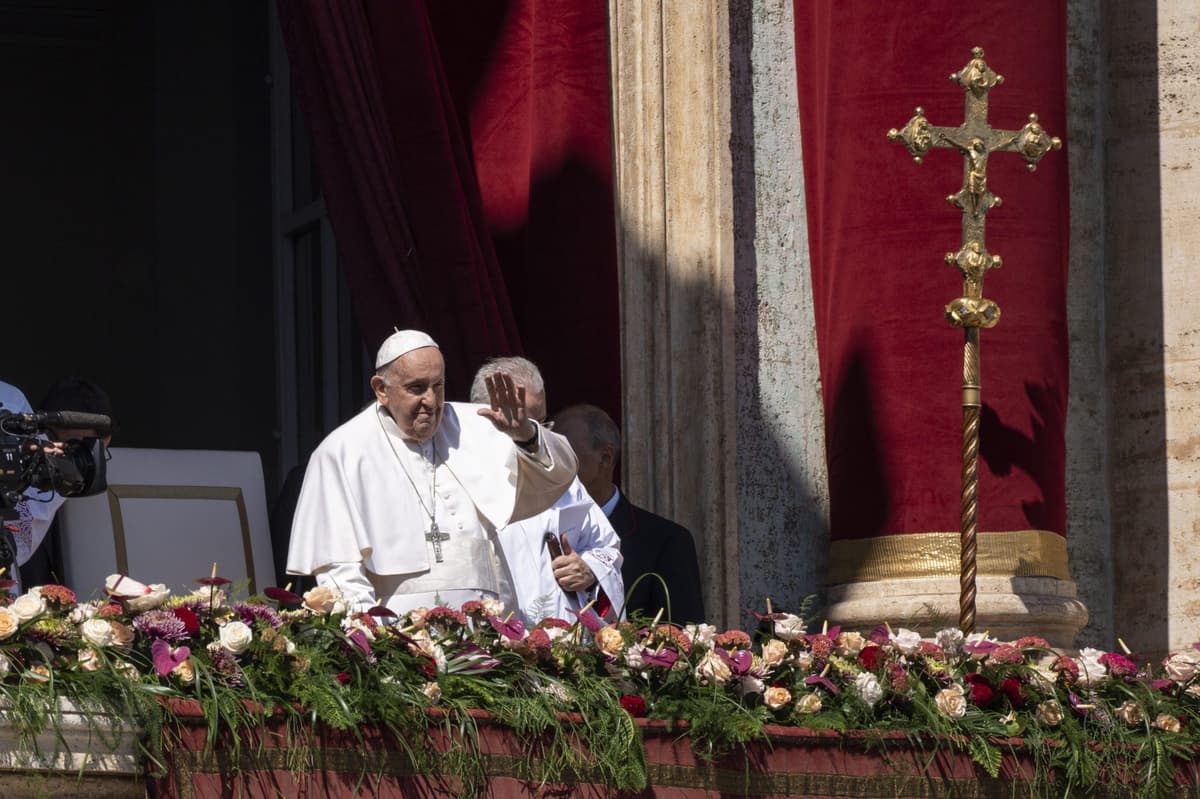
The $6 Billion Vatican Bank Was Beset by Scandals, Disastrous Investments—And Ties to the Mafia. How Pope Francis Tried to Fix It
Companies Mentioned
Why It Matters
The cleanup restored credibility to the Catholic Church’s finances and aligned the Vatican with global anti‑money‑laundering standards, influencing how religious institutions manage assets. Ongoing governance shifts will affect donor confidence and the Church’s fiscal resilience.
Key Takeaways
- •Vatican Bank assets grew to $6.5 bn in 2024.
- •Pope Francis appointed Jean‑Baptiste de Franssu to lead reforms.
- •2014 account closures forced thousands of clients out for compliance.
- •Centralization shifted Vatican funds from clergy to professional oversight.
- •Successor Pope Leo XIV reversed centralization, allowing foreign accounts.
Pulse Analysis
The Institute for the Works of Religion, colloquially the Vatican Bank, had long been a flashpoint for corruption, from the 1970s Sindona debacle to the 1980s Banco Ambrosiano collapse that implicated Mafia money. Those historic missteps left the Holy See vulnerable to regulatory scrutiny and eroded trust among the faithful and global investors. By the time Pope Francis assumed the papacy in 2013, the bank’s opaque practices demanded a decisive overhaul to protect the Church’s moral authority and financial stability.
Francis’s strategy combined leadership change, transparency, and strict compliance. Installing Jean‑Baptiste de Franssu, a former Invesco Europe CEO, signaled a shift toward professional banking expertise. The Vatican began publishing annual reports, disclosed profit and charitable contributions, and, in 2014, closed thousands of suspect accounts to meet international anti‑money‑laundering norms. Centralizing all Vatican department funds under the bank removed discretionary clergy control, allowing external auditors and regulators to enforce tighter oversight and reduce the risk of illicit flows.
The reforms set a new benchmark for religious financial governance, but the story did not end with Francis. Pope Leo XIV’s 2025 decree to decentralize holdings—permitting accounts abroad—reflects a balancing act between centralized control and operational flexibility. This evolution underscores a broader trend: faith‑based entities must adopt modern financial practices to retain donor confidence and navigate complex global markets. As the Vatican continues to refine its oversight mechanisms, its experience offers a cautionary template for other institutions wrestling with legacy scandals and the demand for transparency.
The $6 billion Vatican Bank was beset by scandals, disastrous investments—and ties to the Mafia. How Pope Francis tried to fix it
Comments
Want to join the conversation?
Loading comments...