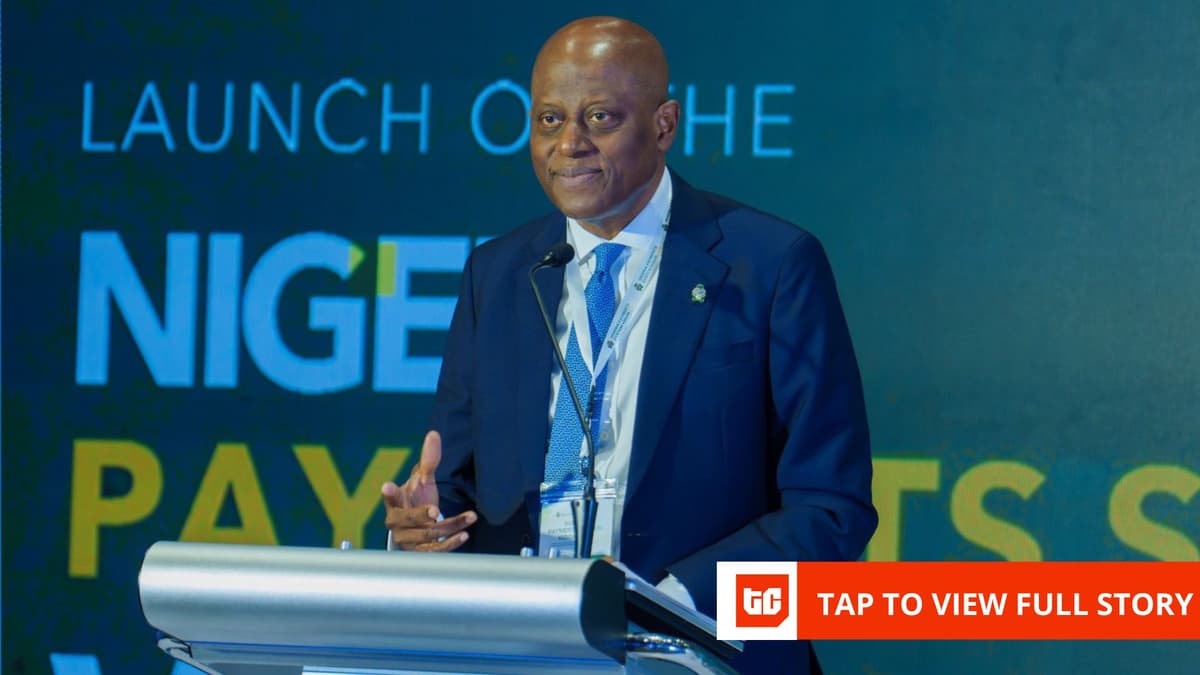
The eNaira Struggled as a Wallet. Now the CBN Wants It to Power Payments.
Why It Matters
Reframing eNaira as infrastructure could unlock network effects, improve financial inclusion, and strengthen Nigeria’s position in regional digital payments. Success would demonstrate a viable model for CBDCs in emerging markets.
Key Takeaways
- •eNaira processed about ₦22 billion ($16 million) in transactions.
- •CBN now positions eNaira as payments infrastructure, not a standalone wallet.
- •Adoption hampered by strict ID requirements and limited consumer incentives.
- •Strategy emphasizes interoperability, open banking, and cross‑border payment integration.
- •Future focus includes fraud monitoring, cybersecurity, and consumer‑protection frameworks.
Pulse Analysis
When the eNaira debuted in 2021, the Central Bank of Nigeria billed it as a catalyst for a cashless economy, promising cheaper remittances, broader financial inclusion, and a boost to GDP. In practice, the digital currency arrived into a market already saturated with bank‑driven apps, USSD services, and fintech wallets that offered faster onboarding and richer user experiences. Rigid onboarding rules—requiring a Bank Verification Number or National Identification Number—blocked many unbanked Nigerians, while the lack of unique features left the eNaira indistinguishable from existing solutions, resulting in modest transaction volumes and limited visibility during the 2023 cash crunch.
The June 2024 Payments System Vision 2028 marks a strategic pivot. Rather than persisting as a consumer‑facing product, the CBN now envisions the eNaira as a foundational layer within a broader digital payments ecosystem. By aligning the CBDC with open‑banking APIs, digital identity frameworks, and real‑time settlement rails, the regulator aims to foster interoperability across banks, fintechs, and regional payment corridors. This infrastructure‑first approach also targets cross‑border remittances, positioning the eNaira to serve as a bridge for African trade and diaspora flows, while leveraging existing fintech networks to expand reach without reinventing the user experience.
If the CBN can deliver on enhanced security, fraud monitoring, and consumer‑protection measures, the eNaira could become a trusted settlement token that underpins a more inclusive, efficient financial system. For Nigerian businesses, this may translate into lower transaction costs and faster access to regional markets. However, success hinges on overcoming legacy trust deficits and ensuring seamless integration with entrenched payment providers. The eNaira’s evolution will be closely watched as a litmus test for CBDC viability in emerging economies, offering lessons that could shape policy and investment across the continent.
The eNaira struggled as a wallet. Now the CBN wants it to power payments.
Comments
Want to join the conversation?
Loading comments...