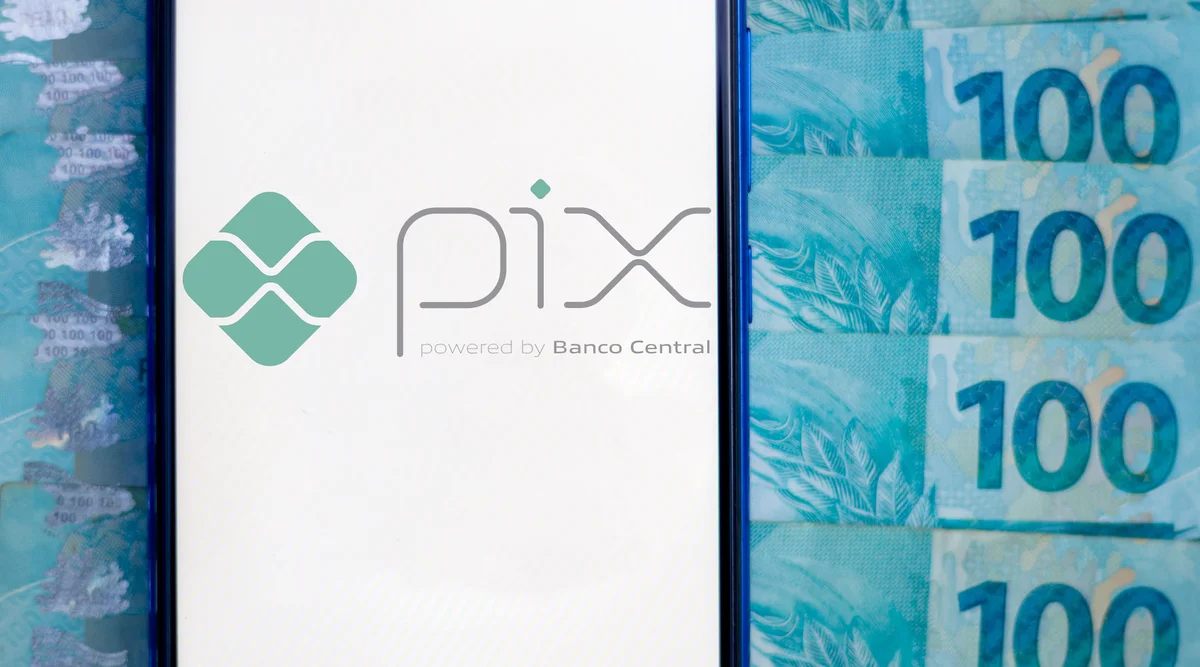
The Latest US Squeeze on Brazil Jeopardizes Its Financial Autonomy
Companies Mentioned
Why It Matters
Targeting PIX threatens Brazil’s monetary sovereignty and could disrupt its payment infrastructure, raising costs for businesses and risking broader financial instability. The combined tariff threat and potential sanctions also signal a new U.S. playbook of using national‑security designations to extract concessions from trade partners.
Key Takeaways
- •USTR cites Brazil’s PIX as discriminatory, threatens 25% tariffs.
- •USTR’s Section 301 move coincides with FTO designations of PCC and CV.
- •Potential sanctions could force Brazilian banks to cut US correspondent links.
- •PIX’s central‑bank ownership makes it vulnerable to counter‑terror‑finance rules.
- •Brazil faces a six‑week window to meet US compliance demands.
Pulse Analysis
The Section 301 probe marks a sharp escalation in Washington’s use of trade law to pressure emerging‑market payment systems. PIX, launched by Brazil’s central bank in 2020, processes billions of real‑valued transactions daily and has been praised for expanding financial inclusion. U.S. credit‑card firms claim the platform favors a national champion, but trade experts note that a sovereign payment network does not fit traditional tariff categories, making the case legally tenuous and likely to be contested at the WTO.
Compounding the trade dispute, the State Department’s designation of Primeiro Comando da Capital and Comando Vermelho as foreign‑terrorist organizations opens a parallel sanctions pathway. Under Executive Order 13224 and the Immigration and Nationality Act, any institution that knowingly processes transactions for designated groups can face secondary sanctions and loss of U.S. correspondent‑banking access. A precedent was set in 2025 when similar actions against Mexican cartels crippled three Mexican banks, forcing the central bank to intervene to avoid a systemic crisis. Brazilian fintechs that route payments through PIX could therefore become collateral in a broader counter‑terror‑finance campaign.
For Brazil, the convergence of trade tariffs and security designations creates a narrow six‑week window to demonstrate robust anti‑money‑laundering controls while preserving PIX’s domestic governance. Failure to satisfy U.S. demands could raise compliance costs, restrict dollar clearing, and destabilize the interbank market—outcomes reminiscent of the 2008 liquidity crunch. The episode underscores a growing U.S. strategy of coupling economic leverage with national‑security tools, forcing sovereign fintech initiatives to navigate an increasingly politicized global financial landscape.
The latest US squeeze on Brazil jeopardizes its financial autonomy
Comments
Want to join the conversation?
Loading comments...