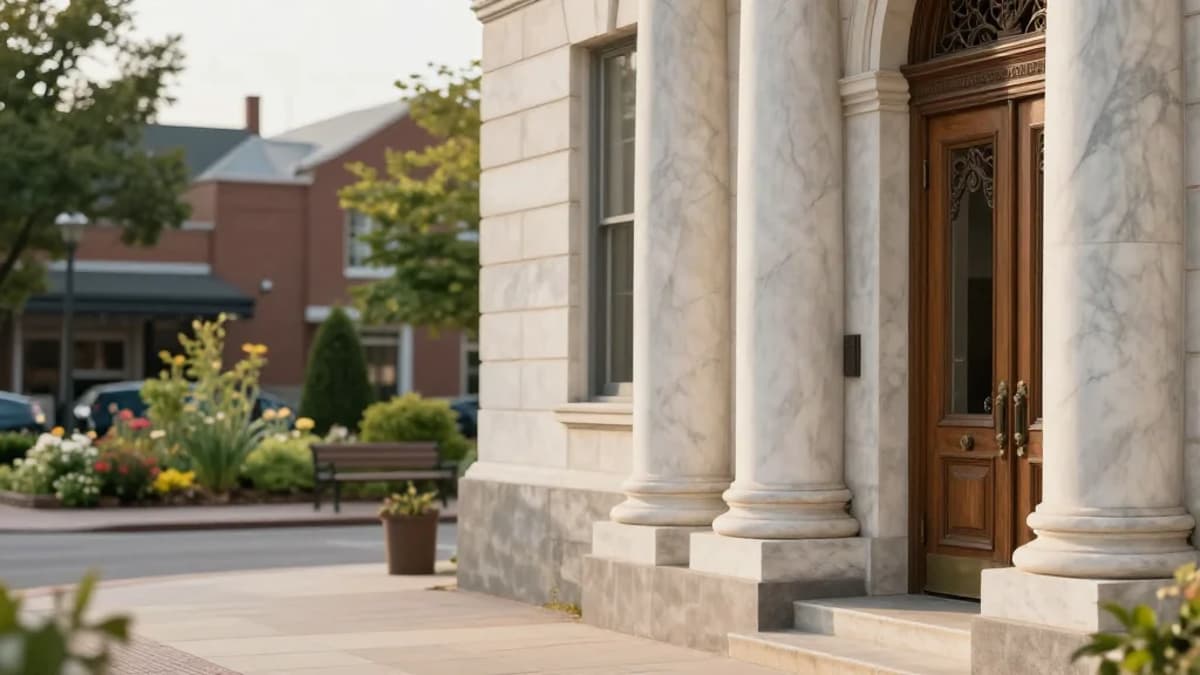
Too Friendly to Rob, and Other Tales From a 200-Year-Old Bank
•March 10, 2026
0
Why It Matters
The story shows how deep customer relationships can boost security, deposit stability, and resilience, offering a blueprint for small banks facing fintech pressure and M&A activity.
Key Takeaways
- •Personal greetings deter robberies, improve security
- •Over 50% women ownership earned minority depository status
- •Closed Grafton branch funded digital upgrade, retained all customers
- •Family-led leadership spans three generations
- •Independence prioritized despite acquisition offers
Pulse Analysis
Community banks that embed personal service into every interaction can turn hospitality into a defensive asset. Millbury National’s practice of greeting each visitor by name not only reinforces its local brand but also creates a psychological barrier for would‑be criminals, as illustrated by the 2000s stick‑up attempt that was defused by a friendly teller. This human‑centric approach deepens trust, encourages deposit loyalty, and differentiates the bank from larger, impersonal institutions.
Ownership structure and regulatory positioning have become strategic levers for Millbury. With women holding more than half of its roughly 50 shareholders, the bank secured a minority depository institution designation in 2023, signaling commitment to underserved markets and unlocking potential funding advantages. The designation also serves as a defensive posture against the erosion of deposits caused by high‑yield products from fintech rivals, allowing Millbury to maintain competitive rates without inflating its cost of funds.
When the Grafton branch closed in 2019, Millbury redirected the capital into digital modernization, deploying a new core platform and expanding online banking services. This investment paid dividends during the COVID‑19 pandemic, enabling seamless remote access and preserving the bank’s customer base. Today, the institution’s strategic plan emphasizes succession planning and independence, rejecting acquisition offers to preserve its heritage and profitability while continuing to adapt to a consolidating banking landscape.
Too friendly to rob, and other tales from a 200-year-old bank
0
Comments
Want to join the conversation?
Loading comments...