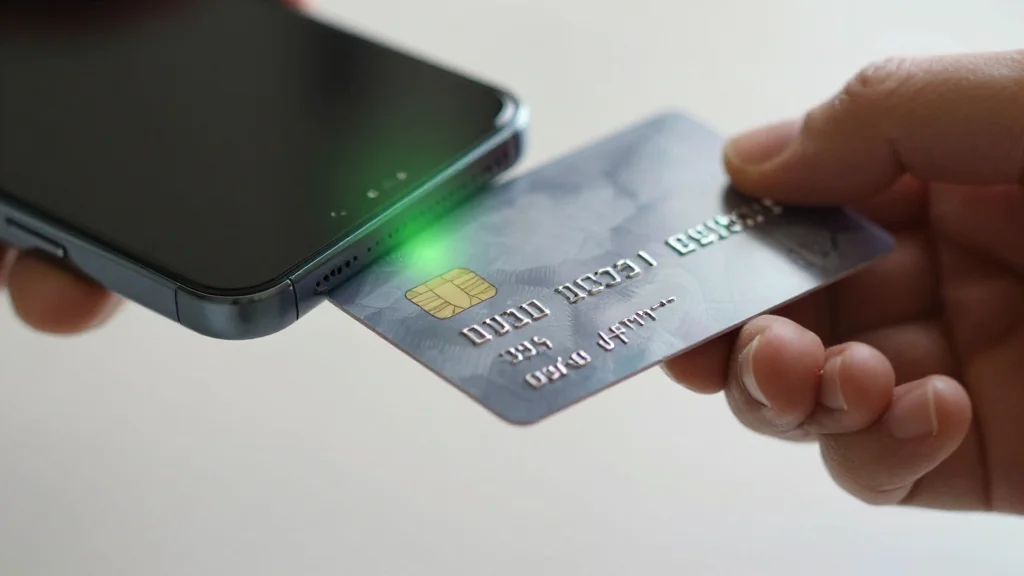
Visa Launches Card‑tap Identity Verification Pilot in the Bahamas

Why It Matters
The pilot addresses a core pain point for banks: balancing stringent KYC requirements with a seamless digital experience. By converting a ubiquitous payment card into an identity credential, Visa offers a low‑cost, high‑security alternative to SMS OTPs and biometric hardware, potentially reshaping how banks approach onboarding and fraud prevention. Moreover, the solution leverages Visa’s existing network, allowing rapid deployment without the need for new infrastructure, which could accelerate adoption across emerging markets where digital identity frameworks are still evolving. If successful, the technology could set a new industry standard for card‑based authentication, prompting competitors like Mastercard and emerging payment networks to develop similar capabilities. Regulators may also look favorably upon a method that reduces reliance on third‑party authentication services, aligning with global efforts to streamline digital identity while maintaining robust security controls.
Key Takeaways
- •Visa pilots Tap to Confirm and Tap to Activate with Fidelity Bank Bahamas and fintech Keyno.
- •The solution uses EMV cryptography and Visa’s VTEX API to authenticate taps in real time.
- •Mike Romero, Visa’s Head of Digital Solutions for Latin America and the Caribbean, highlighted the reduction in consumer friction.
- •Keyno CEO Robert J. Steinman called the card the "key to secure online identity verification."
- •Visa plans a global expansion of the technology throughout 2026 after the Bahamas test.
Pulse Analysis
Visa’s card‑tap identity verification is a strategic play to lock in issuer loyalty as banks scramble for frictionless KYC solutions. Traditional OTPs and call‑center verification have become costly and vulnerable to social engineering, while biometric methods require additional hardware or software layers that can be unevenly adopted across regions. By embedding authentication directly into the card—a device already issued to virtually every consumer—Visa sidesteps many of these hurdles and creates a proprietary moat that competitors will find difficult to replicate without access to Visa’s extensive network and cryptographic patents.
Historically, payment networks have leveraged card data for fraud detection, but extending that data to serve as a primary identity credential marks a shift from passive to active security. The pilot’s focus on EMV‑level cryptography ensures that the tap is not merely a convenience feature but a robust, tamper‑resistant transaction. If the Bahamas rollout demonstrates measurable reductions in fraud loss and support costs, issuers will have a compelling business case to roll the feature out at scale, potentially driving a new revenue stream for Visa through premium security licensing.
Looking ahead, the success of Tap to Confirm could catalyze broader industry collaboration on standardized card‑based identity protocols, akin to the adoption of contactless payments a decade ago. Regulators may endorse the method as a compliant KYC tool, especially in jurisdictions where digital identity legislation is still nascent. However, the approach also raises questions about data privacy and the concentration of identity verification power within a single network. Banks will need to balance the operational benefits against the strategic risk of over‑reliance on Visa’s infrastructure, a dynamic that will shape the competitive landscape of digital identity for years to come.
Visa launches card‑tap identity verification pilot in the Bahamas
Comments
Want to join the conversation?
Loading comments...