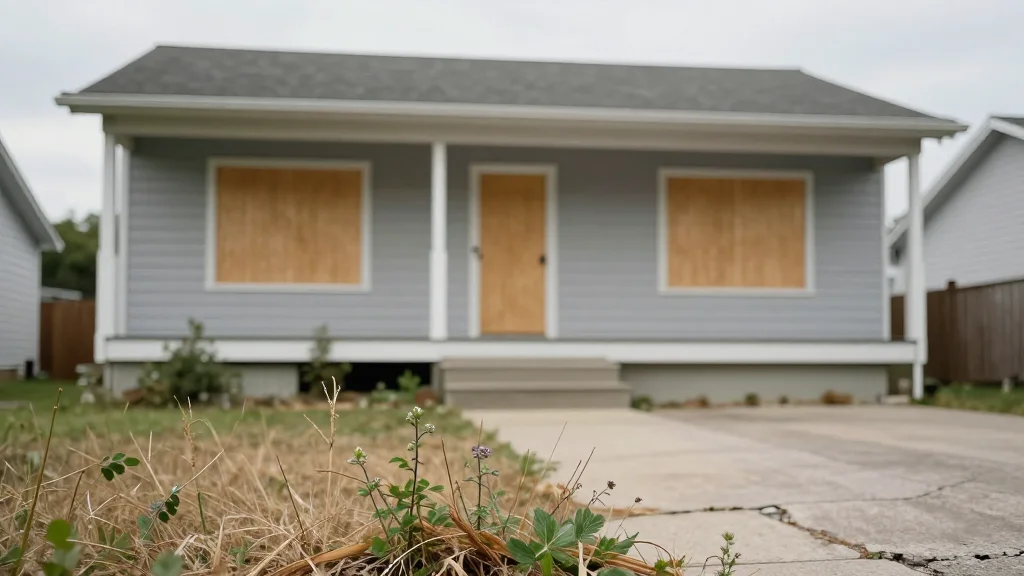
Zombie Foreclosures Spike in 38 States, Georgia Leads with 98% Surge

Why It Matters
Zombie foreclosures, though a small slice of the overall foreclosure market, amplify credit risk for lenders because the underlying loans remain unpaid while the properties sit vacant. The geographic spread across 38 states indicates that the issue is not confined to a few distressed markets, raising the possibility of broader balance‑sheet impacts for banks with nationwide mortgage portfolios. Moreover, the concentration of zombie homes in specific metros can depress local home values, strain municipal tax revenues, and exacerbate community blight, feeding a feedback loop that hampers housing‑market recovery. For borrowers, the lingering title ownership means continued financial obligations—taxes, HOA fees, and utilities—despite having vacated the property. This can trigger cascading credit‑score damage, limiting future access to credit and deepening financial distress. Understanding the dynamics of zombie foreclosures helps regulators, lenders, and policymakers calibrate relief measures and foreclosure‑process reforms to protect both the financial system and homeowners.
Key Takeaways
- •8,312 zombie foreclosures in Q2 2026, 3.4% of 245,376 total foreclosures
- •Georgia saw a 98% quarter‑over‑quarter increase, the steepest state rise
- •North Carolina (+67.2%), Indiana (+42%), Iowa (+35.5%) also posted large jumps
- •Cedar Rapids, Iowa, had the highest metro zombie share at 13.2%
- •1.4 million homes (1.3% of U.S. housing) were vacant in Q2 2026
Pulse Analysis
The modest rise in zombie foreclosures signals a re‑acceleration of the U.S. foreclosure market after years of pandemic‑induced forbearance. Historically, zombie properties have been a leading indicator of deeper distress because they reflect borrowers who are willing to abandon equity rather than negotiate a loss mitigation solution. The 98% surge in Georgia suggests localized economic pressures—perhaps tied to recent job losses in the Atlanta metro area—are pushing homeowners past the point of repayment.
From a banking perspective, the lingering title ownership means that loan balances stay on the books longer, reducing the speed of loss mitigation and inflating non‑performing loan ratios. While the overall zombie share remains under 4%, the concentration in certain metros could create pockets of elevated credit risk, especially for regional banks with heavy exposure in those areas. Lenders may need to tighten underwriting standards or increase reserves for loss‑given‑default in affected markets.
Policy implications are equally salient. The data underscores the need for more efficient deed‑in‑lieu pathways and targeted assistance programs that help borrowers exit the foreclosure process before abandonment becomes the default choice. By reducing the time properties sit idle, municipalities can preserve tax bases and curb the blight that depresses surrounding home values. As the Q3 ATTOM report approaches, stakeholders will watch whether the zombie rate stabilizes or accelerates, shaping the next round of regulatory and industry responses.
Zombie Foreclosures Spike in 38 States, Georgia Leads with 98% Surge
Comments
Want to join the conversation?
Loading comments...