Why It Matters
As consumers demand faster, more secure, and uniquely tailored payment solutions, issuers must innovate to retain loyalty and drive growth. Understanding these trends helps banks, fintechs, and merchants stay competitive and meet evolving expectations, making the episode timely for anyone involved in the payments ecosystem.
Key Takeaways
- •Consumers demand instant digital issuance and premium card experiences
- •Personalized card designs, like AI‑generated artwork, boost acquisition
- •Biometric and FIDO security features enhance card authentication
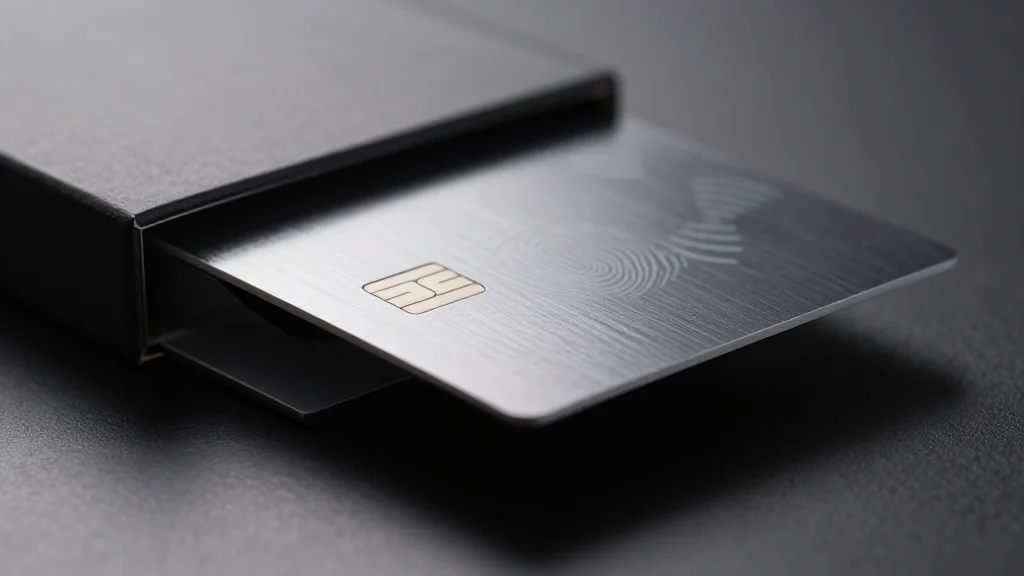
- •Sustainable materials (ceramic, wood, ocean plastic) differentiate premium cards
- •Hyper‑personalization can increase revenue 15‑20% and lower costs
Pulse Analysis
The U.S. card market is rapidly merging physical cards with digital wallets, turning the traditional plastic into a multi‑channel experience. Issuers such as fintechs and banks are racing to offer instant digital issuance and next‑day delivery, creating an “unboxing” moment that rivals e‑commerce standards. Consumers now expect their card to arrive quickly, be instantly activatable, and integrate seamlessly with mobile wallets. This convergence not only satisfies demand for speed but also reinforces the card’s role as a daily touchpoint, keeping it top‑of‑wallet despite the rise of contactless payments.
Personalization has become a competitive lever, with AI‑generated card artwork allowing consumers to design unique visuals—think a puppy on a beach—while sustainable materials such as ceramic, reclaimed wood, and ocean‑plastic composites add tactile differentiation. These premium touches translate into measurable business outcomes; a Canadian fintech reported a 40 % lift in new accounts after launching a metal card, and industry studies show hyper‑personalized offers can boost revenue by 15‑20 % and cut acquisition costs. By treating each card as a “segment of one,” issuers turn a simple payment instrument into a branding platform that drives loyalty and growth.
Security innovations are reshaping card design, with biometric authentication and FIDO passkey standards embedding verification directly into the card or the accompanying mobile device. Dynamic CVV codes and NFC‑enabled verification add another layer of fraud protection, especially for high‑value transactions. Looking ahead 12‑18 months, issuers expect AI‑driven issuance to automate design, personalization, and risk assessment in real time, delivering cards that are instantly produced, uniquely branded, and equipped with advanced security. This blend of hyper‑personalization, sustainable materials, and next‑gen authentication will keep the physical card relevant and top‑of‑wallet in an increasingly digital payments ecosystem.
Episode Description
Artificial intelligence has raised consumer expectations. Today, people can create a personalized event invitation, social media post, or digital experience in seconds, so why does the payment card they use every day still feel generic? That question is driving renewed interest in payment card innovation, including personalization, premium materials, digital integration, and stronger security features […]
The post Serving a Segment of One: The Race to Stay Top of Wallet appeared first on PaymentsJournal.
Comments
Want to join the conversation?
Loading comments...