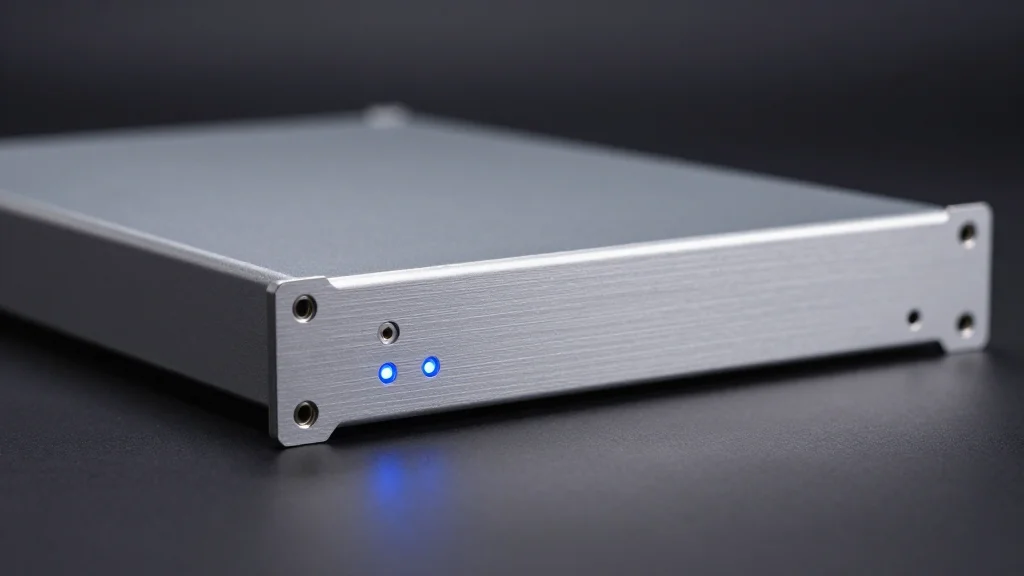
Dell Unveils PowerStore Elite, Boosting Data Lake Performance Up to 3×

Companies Mentioned
Why It Matters
PowerStore Elite directly tackles three critical pressures on today’s big‑data infrastructure: performance, capacity density, and cost predictability. By delivering up to three times the throughput of prior Dell arrays, the platform enables faster model training and real‑time analytics, shortening the time‑to‑insight for AI initiatives. The 6:1 data‑reduction guarantee and industry‑standard flash reduce both capital and operational expenditures, a decisive factor as enterprises grapple with flash shortages and rising storage costs. Finally, the ability to cluster new Elite nodes with existing PowerStore deployments lowers migration risk, encouraging organizations to modernize incrementally rather than undertaking costly, disruptive overhauls. For the broader big‑data ecosystem, Dell’s move raises the performance baseline for software‑defined storage, pressuring competitors such as NetApp, Pure Storage, and HPE to accelerate their own roadmap announcements. The emphasis on AI‑driven automation also underscores a shift toward self‑optimizing infrastructure, a trend that could diminish the need for specialized storage engineering teams and reshape talent requirements in data‑center operations.
Key Takeaways
- •PowerStore Elite offers up to 3× performance and throughput versus prior Dell models
- •Capacity reaches 5.8 PB in a 3U chassis, with up to 40 drives per appliance
- •Data‑reduction guarantee improved to 6:1, the industry best
- •AI‑driven management reduces manual effort by up to 95 %
- •Lifecycle Extension program includes buy‑three‑get‑one‑free capacity expansions
Pulse Analysis
Dell’s PowerStore Elite arrives at a moment when the storage market is fragmenting between legacy, high‑capacity arrays and newer, software‑defined platforms built for AI workloads. By stacking a 50 % CPU core increase, DDR5 memory, and PCIe Gen 5 into a compact 3U form factor, Dell is not just iterating; it is redefining the performance‑to‑density ratio that has long been a differentiator for pure‑flash vendors. The 200 Gb RDMA interconnect is particularly noteworthy because it reduces latency for distributed analytics workloads, a capability that most competitors still achieve only with external networking gear.
The strategic use of industry‑standard flash is a pragmatic response to the ongoing semiconductor supply crunch. Dell’s claim that this approach yields “broader supply, competitive pricing and freedom from vendor lock‑in” could resonate with CIOs who have been forced to ration flash purchases or accept premium pricing. If Dell can deliver on that promise, it may force rivals to open up their own hardware ecosystems, accelerating a broader industry shift away from proprietary flash modules.
Finally, the Lifecycle Extension (LCE) program signals Dell’s intent to lock customers into a long‑term modernization cycle. By bundling upgrades, technical advisory services, and capacity incentives, Dell creates a recurring revenue stream while reducing the friction of hardware refreshes. This model mirrors the subscription‑based approaches gaining traction in the broader cloud‑infrastructure market and could become a template for other storage vendors seeking to smooth out the traditionally spiky capital‑expenditure patterns of enterprise storage upgrades.
Dell Unveils PowerStore Elite, Boosting Data Lake Performance Up to 3×
Comments
Want to join the conversation?
Loading comments...