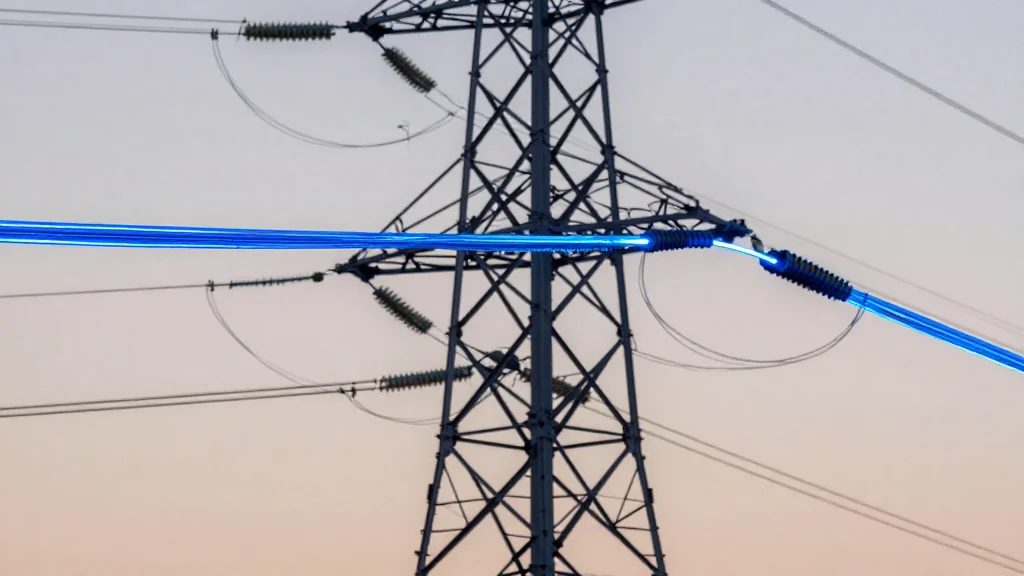
European Utilities Stretched as AI‑Driven Data Centers Seek 30 GW of Grid Capacity

Why It Matters
The grid‑capacity squeeze threatens to bottleneck Europe’s ability to host the next generation of AI models, which are increasingly power‑hungry. A failure to resolve the bottleneck could shift AI compute investment toward North America or Asia, weakening Europe’s strategic position in the high‑value AI ecosystem. Additionally, the situation highlights a broader tension between rapid digital transformation and the slower, capital‑intensive nature of energy infrastructure, underscoring the need for coordinated policy and technology responses. Beyond AI, the same capacity constraints affect other electrification trends, such as electric‑vehicle charging and heat‑pump adoption. Solutions piloted for data‑center demand—like dynamic line rating—could spill over to the wider grid, improving overall efficiency and enabling higher renewable penetration across the continent.
Key Takeaways
- •National Grid reports >30 GW of AI‑driven data‑center demand awaiting connection, equal to ~66% of GB peak demand.
- •The queue of pending connections has tripled since late‑2024, prompting project cancellations across Europe.
- •Dynamic line rating (DLR) and other post‑deployment upgrades are being trialed to extract extra capacity from existing lines.
- •Building new transmission lines can take 7‑14 years, far slower than AI compute rollout timelines.
- •EU policymakers may introduce an “AI‑energy strategy” this summer to fund grid upgrades and retain AI investment.
Pulse Analysis
Europe’s grid bottleneck is a textbook case of infrastructure lagging behind digital demand. Historically, major energy upgrades have followed long‑term consumption trends—think the post‑war expansion of coal and nuclear capacity. AI, however, compresses a decade’s worth of compute growth into a few years, forcing utilities to either accelerate legacy projects or adopt novel, software‑centric solutions. Dynamic line rating exemplifies this shift: by leveraging real‑time meteorological data, operators can safely push more current through existing conductors, a low‑capex alternative to building new towers.
From a competitive standpoint, the United States and China have the advantage of more expansive transmission networks and, in the U.S., a more fragmented regulatory environment that can expedite approvals. Europe’s centralized planning, while beneficial for coordinated renewable integration, becomes a liability when rapid, high‑density loads appear. Companies that can internalize power—through on‑site renewables, battery storage, or even direct procurement of green electricity—will likely secure a strategic edge. In the short term, we expect a wave of hybrid solutions: data‑center operators partnering with utilities for bespoke DLR contracts, while simultaneously investing in micro‑grids to hedge against grid‑access risk.
Looking ahead, the success of pilot DLR projects could set a precedent for broader grid modernization, potentially unlocking capacity for not only AI but also EVs, heat pumps, and industrial electrification. If regulators can align incentives—perhaps by offering capacity‑price premiums for flexible loads—Europe may turn this crisis into a catalyst for a smarter, more resilient grid. Absent such reforms, the continent risks ceding its AI compute ambitions to regions with more agile power infrastructure.
European Utilities Stretched as AI‑Driven Data Centers Seek 30 GW of Grid Capacity
Comments
Want to join the conversation?
Loading comments...