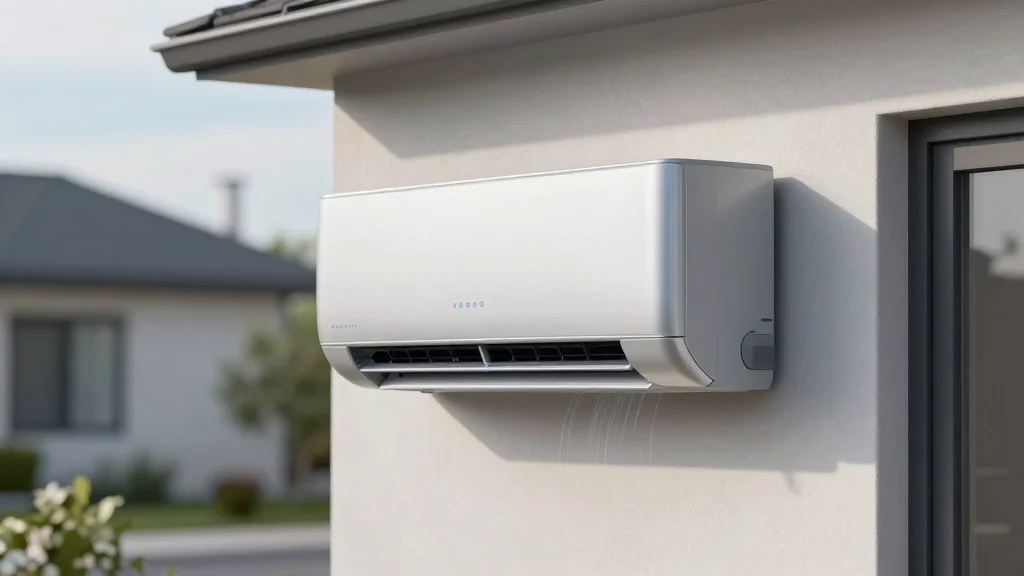
Span and Nvidia Launch XFRA Mini‑Data‑Center Units to Turn Homes Into Edge AI Nodes

Companies Mentioned
Why It Matters
The XFRA initiative could reshape how AI workloads are provisioned, moving computation from monolithic data centers to a distributed mesh of residential nodes. This shift promises to alleviate the current power‑grid bottleneck that delays new data‑center construction, while also creating a novel revenue source for homeowners. However, the approach raises questions about grid stability, load diversity, and the economic viability of scaling beyond pilot phases. If successful, the model may accelerate edge‑AI applications such as real‑time video analytics, autonomous vehicle training, and localized language model inference, reducing latency and bandwidth costs for enterprises. Conversely, widespread adoption could strain residential circuits and require new standards for behind‑the‑meter power management, prompting utilities and regulators to rethink load‑balancing strategies.
Key Takeaways
- •Span and Nvidia unveiled XFRA, a 16‑GPU, 12.5 kW mini‑data‑center unit for homes.
- •Each node can run modest large‑language models; 8,000 nodes equal a 100‑MW data center.
- •The system taps unused capacity in typical 200‑amp residential panels, offering homeowners discounted electricity and broadband.
- •Energy experts warn the model may reduce load diversity and create new grid peaks.
- •Pilot deployments expected later 2026; broader rollout targeted for early 2027 pending regulatory approval.
Pulse Analysis
Span’s XFRA represents a bold attempt to re‑architect AI compute by exploiting the latent electrical headroom in millions of single‑family homes. Historically, the data‑center model has relied on economies of scale—large facilities that amortize power, cooling, and hardware costs across massive workloads. By fragmenting that model, Span hopes to sidestep the years‑long permitting and substation upgrade cycles that have become a choke point for AI developers. The trade‑off is clear: while distributed nodes can be deployed quickly and locally, they sacrifice the cost efficiencies of centralized facilities and introduce new complexities in grid management.
From a market perspective, the XFRA rollout could catalyze a new class of “edge‑as‑a‑service” offerings, where AI cloud providers lease compute capacity directly from homeowners. This mirrors the early days of residential solar net‑metering, where distributed generation reshaped utility revenue models. However, unlike solar, AI compute is a high‑intensity, variable load that could exacerbate peak demand if not carefully orchestrated. Utilities may need advanced demand‑response platforms and real‑time pricing signals to prevent the erosion of load diversity that currently smooths grid operations.
Looking ahead, the success of XFRA will hinge on three factors: homeowner adoption incentives, regulatory frameworks that allow behind‑the‑meter AI workloads, and the ability of AI providers to efficiently schedule jobs across a geographically dispersed, heterogeneous fleet. If these hurdles are cleared, the model could democratize AI compute, lower latency for edge applications, and create a new revenue stream for the residential sector. If not, the industry may revert to scaling traditional megadata centers, continuing the current power‑grid bottleneck.
Span and Nvidia Launch XFRA Mini‑Data‑Center Units to Turn Homes into Edge AI Nodes
Comments
Want to join the conversation?
Loading comments...