Trump Budget Proposal Cuts $1.1 Billion From NOAA, Threatening Climate and Fisheries Data

Why It Matters
The proposed budget cuts strike at the heart of the United States’ big‑data infrastructure for climate and marine science. Satellite‑derived datasets are the raw material for predictive analytics that inform everything from disaster response to insurance underwriting. A reduction in data availability could degrade model accuracy, increase economic losses from extreme weather, and slow scientific progress on climate mitigation. Beyond immediate scientific impacts, the cuts could reshape the competitive landscape of Earth‑observation services. Private firms may step in to fill the void, but they often charge higher fees, limiting access for smaller research institutions and public‑sector users. The shift could accelerate a market‑driven data ecosystem, raising concerns about data equity, transparency, and national security.
Key Takeaways
- •$1.1 billion (18%) cut proposed to NOAA’s $6.1 billion budget
- •More than 1,000 NOAA jobs slated for elimination
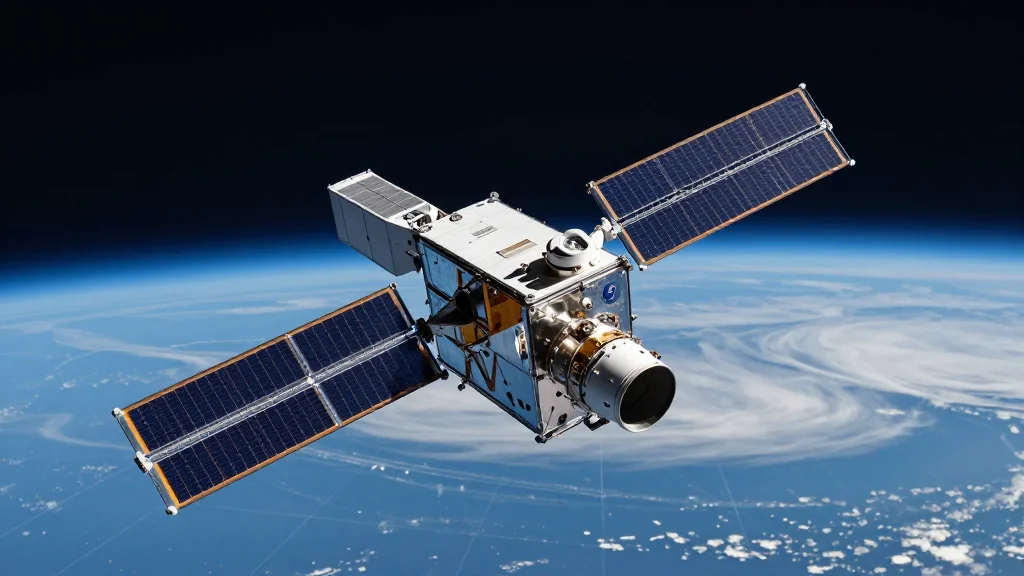
- •Three of five planned geostationary satellite instruments cancelled
- •NOAA’s workforce of 12,000 would shrink by ~8%
- •Data streams for climate models, hurricane forecasting, and fisheries at risk
Pulse Analysis
The Trump budget proposal underscores a broader ideological clash over the value of publicly funded big‑data assets. Historically, NOAA’s satellite program has been a cornerstone of the U.S. climate data commons, providing open, high‑frequency observations that fuel both academic research and commercial analytics. By targeting the very instruments that generate these datasets, the administration is effectively treating data as a discretionary line item rather than a strategic national resource.
From a market perspective, the cuts could catalyze a rapid privatization of Earth‑observation data. Companies like Planet, Maxar, and Spire have already begun offering subscription‑based data services, but their pricing structures are often prohibitive for smaller entities. If NOAA’s data pipeline contracts, a vacuum will emerge that private players are eager to fill—potentially reshaping the data supply chain and concentrating control in the hands of a few well‑capitalized firms. This shift may spur innovation, yet it also raises concerns about data accessibility, standardization, and long‑term continuity.
Looking ahead, the real test will be whether Congress intervenes to safeguard critical data programs. Past budget battles have shown that bipartisan support can preserve core scientific functions, even amid broader fiscal tightening. If lawmakers restore funding or mandate alternative financing mechanisms, NOAA could maintain its role as the primary provider of open environmental data. Otherwise, the United States risks ceding its data leadership to foreign competitors, with downstream effects on climate resilience, economic forecasting, and national security.
Trump Budget Proposal Cuts $1.1 Billion from NOAA, Threatening Climate and Fisheries Data
Comments
Want to join the conversation?
Loading comments...