Key Takeaways
- •De Meo targets 20% operating margin by 2029, up from 10%
- •Strategy emphasizes supply‑chain efficiency modeled on Zara’s JIT system
- •Luxury brands expected to adopt faster product cycles and lower costs
- •Investors watch margin growth as indicator of Kering’s turnaround success
- •Balenciaga pricing may tighten if cost structures improve
Pulse Analysis
Kering’s latest strategic pivot under Luca de Meo reflects a broader industry reckoning: luxury houses are no longer insulated from the efficiency demands that have reshaped fast fashion. After a series of modest growth years, Kering posted a 9.8% operating margin in 2025, trailing peers such as LVMH. De Meo’s roadmap, unveiled in April 2026, sets a bold target of 20% margin by 2029, hinging on tighter inventory control, reduced lead times, and a leaner cost base. By borrowing Zara’s just‑in‑time manufacturing ethos, the group hopes to cut excess stock and streamline product development without eroding brand cachet.
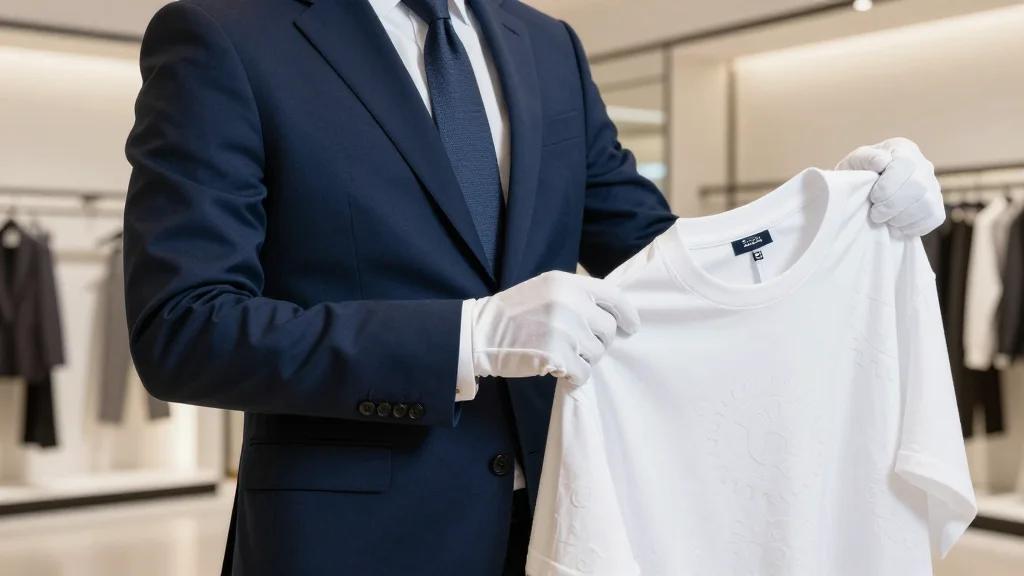
The operational overhaul is more than a supply‑chain tweak; it signals cultural change. De Meo’s recent visit to a Zara factory, where he held up a basic tee to compare it with Balenciaga’s multi‑price‑point equivalents, underscores his belief that luxury can achieve cost parity through disciplined production. Kering plans to integrate advanced demand‑forecasting analytics, consolidate fabric sourcing, and renegotiate vendor contracts to mirror the vertical integration that powers Zara’s rapid turnover. Early pilots in the Saint‑Laurent line have already shown a 12% reduction in material waste and a 9% faster time‑to‑market, suggesting the model can be scaled across the portfolio.
For investors, the stakes are high. A successful margin expansion would lift earnings per share, potentially narrowing the valuation gap with LVMH and boosting Kering’s dividend sustainability. However, the luxury consumer remains sensitive to perceived quality and exclusivity; any misstep in cost‑cutting could dilute brand equity. Competitors may respond by accelerating their own efficiency drives, sparking a wave of operational innovation across the sector. Ultimately, de Meo’s gamble tests whether the agility of fast fashion can be reconciled with the heritage and pricing power of high‑end labels, a question that will shape luxury’s profit trajectory for years to come.
Hold de Meo
Comments
Want to join the conversation?