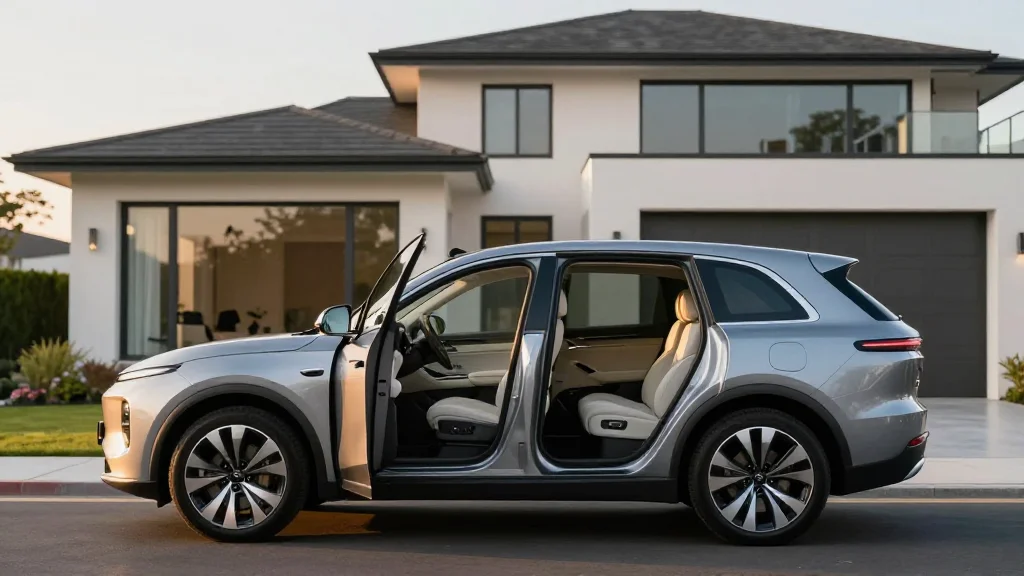
Key Takeaways
- •Li Auto prioritizes SUV space, rejecting sedans to preserve “home” comfort.
- •L9 Livis launches May 15 at 559,800 yuan (~$82k), flagship EREV SUV.
- •First model with in‑house 5nm M100 chip delivering 2,560 TOPS.
- •Combined range exceeds 1,500 km; 72.7 kWh battery, 420 km CLTC.
- •April deliveries 34,085 units; revenue target 300 billion yuan before sedan entry.
Pulse Analysis
Li Auto’s refusal to enter the sedan segment reflects a deliberate brand strategy that prioritizes interior volume and a "home" feeling for occupants. By keeping its portfolio strictly SUV‑centric, the company safeguards the proportions and stance that define its design language, a differentiator in a crowded Chinese EV market where many rivals chase multiple body styles. This focus also aligns with consumer trends in China’s premium segment, where buyers increasingly value spacious, versatile crossovers for both family and business use.
The launch of the L9 Livis marks a technological milestone for Li Auto, featuring its first 5‑nanometer M100 smart‑driving chip that delivers an impressive 2,560 TOPS of computing power—far outpacing the Nvidia Thor‑U chips common in competing models. Coupled with a 72.7 kWh battery, a CLTC range of 420 km, and a combined real‑world range exceeding 1,500 km, the L9 showcases how in‑house silicon can boost performance while reducing reliance on external suppliers. This chip advantage positions Li Auto to offer advanced driver‑assist features and over‑the‑air updates, strengthening its appeal to tech‑savvy consumers.
Financially, Li Auto is targeting 300 billion yuan ($43.9 billion) in annual revenue before committing to a sedan line, a threshold that underscores the company’s cautious growth model. April deliveries of 34,085 units signal steady demand, while rivals like Nio’s Onvo L80 are set to launch simultaneously, intensifying competition. By meeting its revenue goal with a premium SUV lineup, Li Auto can leverage economies of scale and fund further R&D, keeping the sedan option on the back burner until market conditions justify a shift. This disciplined approach may prove advantageous as the EV sector navigates regulatory changes and evolving consumer preferences.
Why Li Auto doesn't make sedans: CEO explains
Comments
Want to join the conversation?