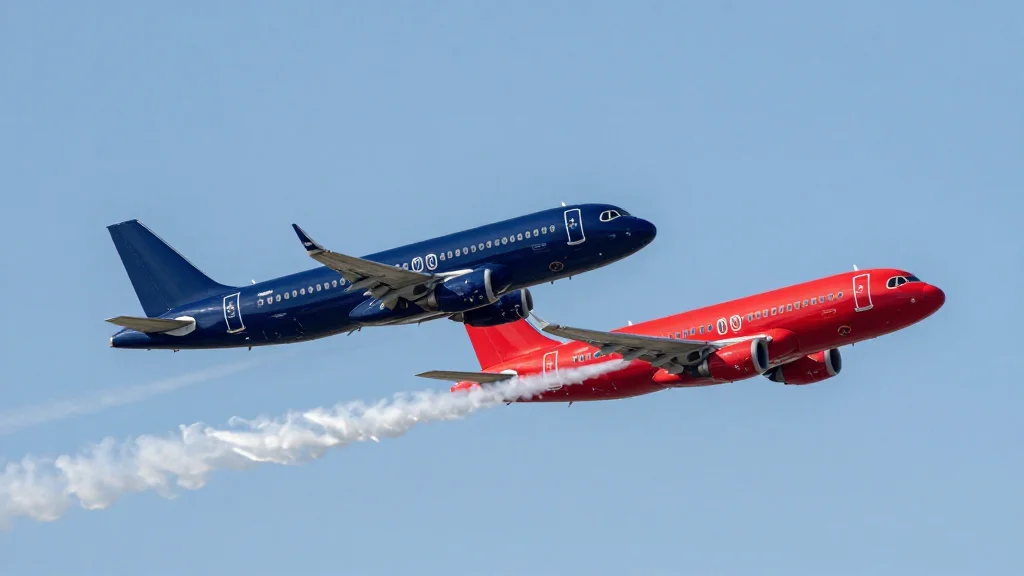
United CEO Confirms Reaching Out to AA About Potential Merger
Why It Matters
The failed merger talks highlight the difficulty of consolidating two major U.S. carriers in a market wary of reduced competition, and they signal United’s need to pursue organic growth to maintain its competitive edge.
Key Takeaways
- •United CEO Scott Kirby approached American Airlines for merger talks.
- •American declined, citing anticompetitive concerns for consumers.
- •Kirby framed merger as growth, not cost‑cutting, to boost global competitiveness.
- •Potential deal would have required divestitures in overlapping domestic markets.
- •United will continue its own growth strategy with 115,000 employees.
Pulse Analysis
The U.S. airline sector has seen only two major consolidations in the past two decades—Delta’s merger with Northwest in 2008 and United’s combination with Continental in 2010. Both deals were framed as survival moves for financially strained carriers and faced intense antitrust scrutiny, resulting in divestitures that reshaped route networks. Scott Kirby’s outreach to American Airlines marks a departure from that playbook, positioning the union as a growth‑driven partnership rather than a cost‑cutting rescue. Yet the same regulatory gatekeepers that dissected earlier deals are likely to examine any new megamerger through a consumer‑impact lens.
Kirby argued that a United‑American tie‑up would scale a ‘customer‑focused’ model, unlock new product offerings, and give the combined airline the scale to compete globally against rivals such as Emirates and Qatar Airways. He also suggested that required divestitures in overlapping domestic markets could be negotiated without jeopardizing the core network. American’s leadership, however, dismissed the notion, warning that reduced competition could raise fares and limit choices. The anticompetitive argument resonates with the Department of Justice’s recent stance on airline concentration, making a deal politically and legally precarious.
With the merger off the table, United is doubling down on organic initiatives—fleet modernization, premium cabin upgrades, and digital enhancements—to differentiate itself. The airline’s 115,000‑strong workforce will be pivotal in executing this strategy, especially as the industry rebounds from pandemic‑induced demand shocks. Investors will watch United’s earnings closely for signs that internal growth can offset the competitive advantage a merger might have delivered. Meanwhile, the episode underscores a broader market reality: consolidation ambitions must now clear higher regulatory hurdles and win public‑policy approval before they can materialize.
United CEO confirms reaching out to AA about potential merger
Comments
Want to join the conversation?
Loading comments...