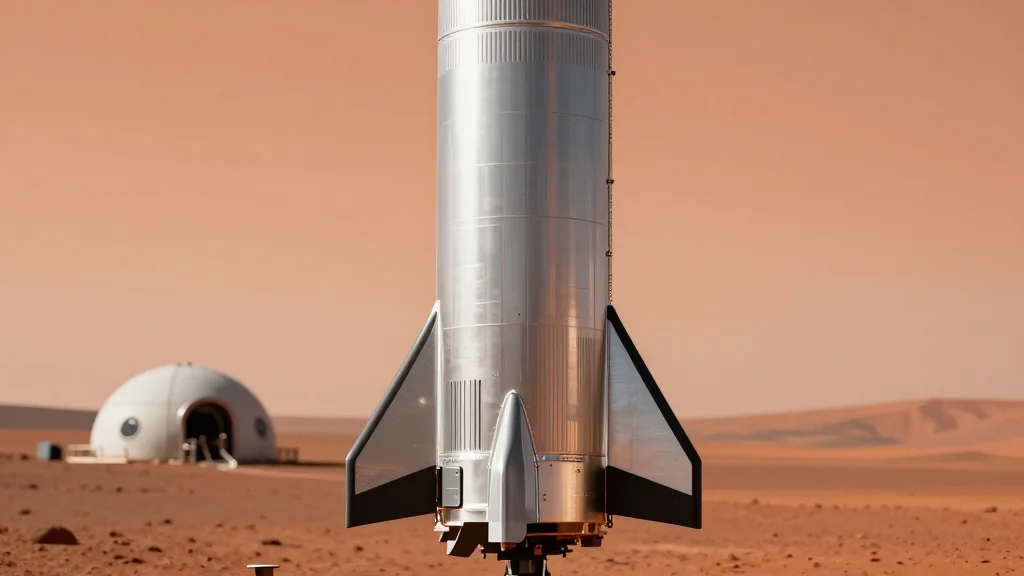
Analysis-SpaceX Ties Musk Compensation to Mars Colonization Goal
Why It Matters
The plan ties Musk’s personal wealth to ambitious, non‑financial goals, raising governance questions and influencing investor expectations ahead of SpaceX’s potential public listing.
Key Takeaways
- •Musk could earn 200 million super‑voting shares at $7.5 trillion valuation
- •Additional 60.4 million shares tied to 100 TW of space compute
- •Compensation hinges on Mars colony of one million residents
- •Musk’s nominal $54,080 salary underscores pay’s performance focus
- •SpaceX IPO target $1.75 trillion could trigger initial awards
Pulse Analysis
SpaceX’s new pay structure pushes the envelope of executive compensation by anchoring rewards to speculative, science‑fiction milestones rather than traditional financial metrics. While most public companies tie CEO equity to revenue growth, earnings, or share price, Musk’s package demands a $7.5 trillion market cap, a self‑sustaining Martian settlement of a million people, and a 100‑terawatt space‑based computing platform. This unprecedented approach reflects Elon Musk’s dual role as visionary founder and shareholder, but it also forces boards to justify compensation that may never be realized, inviting heightened scrutiny from regulators and activist investors.
The market impact is immediate. Analysts see the $1.75 trillion IPO target as a bridge between current private valuations and the lofty $7.5 trillion trigger, meaning early investors could see substantial upside if the company meets interim milestones. However, the dual‑board dynamic—SpaceX competing with Tesla for Musk’s attention—creates potential conflicts of interest that could affect capital allocation, talent focus, and strategic priorities. Shareholders in both firms will watch closely for any signs that the Mars and space‑data‑center goals divert resources from core revenue‑generating activities.
Feasibility remains the biggest question mark. Establishing a million‑person colony on Mars and deploying 100 TW of compute in orbit are engineering challenges that could span decades, far beyond typical CEO performance windows. Yet the compensation plan signals a broader industry shift: as space infrastructure becomes a commercial frontier, executives may increasingly be measured against long‑term, non‑linear outcomes. If SpaceX succeeds, it could set a precedent for other tech giants to embed ambitious societal or planetary goals into pay structures, reshaping how the market values visionary leadership.
Analysis-SpaceX ties Musk compensation to Mars colonization goal
Comments
Want to join the conversation?
Loading comments...