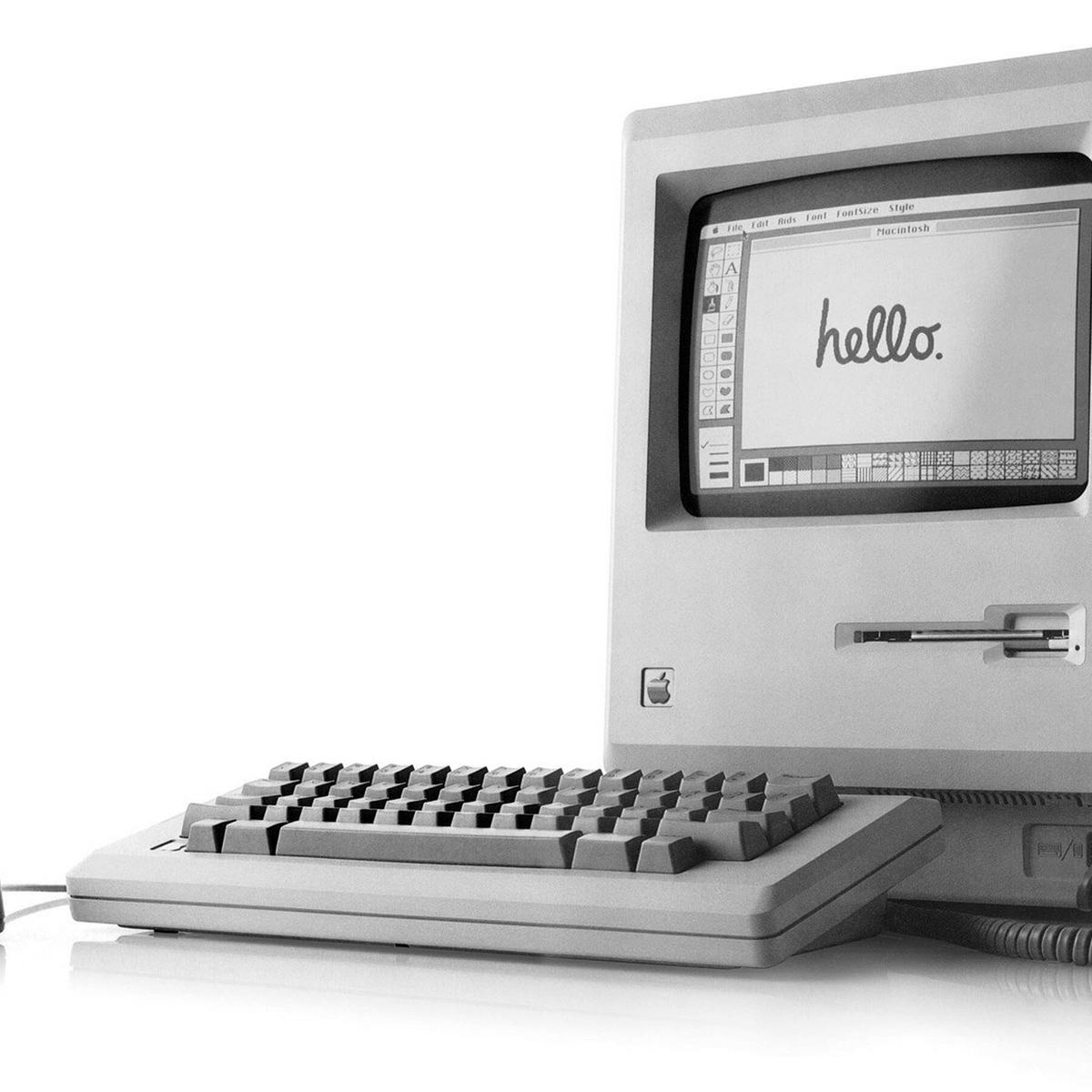
Apple C.E.O.s Through the Years: From Michael Scott (Not That One) to John Ternus
Companies Mentioned
Why It Matters
A leadership change to a hardware‑focused executive could steer Apple toward new product categories and reinforce its design edge, while signaling continuity after a decade of Cook’s growth‑driven strategy.
Key Takeaways
- •Tim Cook exits as Apple CEO in September 2026
- •John Ternus, hardware chief, becomes next Apple CEO
- •Michael Scott oversaw Apple’s first manufacturing processes (1977‑81)
- •Mike Markkula, first angel investor, wrote early Apple II software
- •Apple marks 50 years since its founding by Jobs and Wozniak
Pulse Analysis
Apple’s upcoming leadership shift is more than a routine succession; it reflects a strategic pivot toward hardware innovation. John Ternus, who has overseen the development of the iPhone, Mac, and Apple Watch, brings a deep engineering perspective that could accelerate the rollout of next‑generation devices, such as augmented‑reality headsets or custom silicon for emerging markets. Analysts see his appointment as a signal that Apple will double down on integrated hardware‑software experiences, leveraging its massive ecosystem to maintain premium pricing power.
The historical context adds depth to the transition. Early CEOs Michael Scott and Mike Markkula were instrumental in turning a garage‑born concept into a scalable enterprise. Scott’s focus on manufacturing and operational details laid the groundwork for mass production, while Markkula’s angel investment and software contributions birthed the Apple II, the first truly successful personal computer. Their pragmatic leadership styles contrast with Steve Jobs’s later product‑centric vision, illustrating how Apple’s success has hinged on a balance of engineering rigor and visionary design.
For investors and industry watchers, the change underscores Apple’s ability to reinvent its leadership while preserving core values. Cook’s tenure delivered exponential revenue growth and services expansion, but the hardware‑centric future under Ternus may unlock fresh revenue streams and reinforce Apple’s competitive moat. As the company celebrates its 50th anniversary, the transition serves as a reminder that sustained innovation often depends on aligning executive expertise with the next phase of technological evolution.
Apple C.E.O.s Through the Years: From Michael Scott (Not That One) to John Ternus
Comments
Want to join the conversation?
Loading comments...