Apple Unveils AI Smart‑Glasses Plan, Targets 2027 Launch to Beat Meta


Why It Matters
Apple’s AI smart‑glasses represent the first major hardware move by Tim Cook’s team to embed artificial intelligence across its ecosystem, signaling a strategic pivot from pure hardware to AI‑enhanced experiences. By targeting a 2027 launch, Apple aims to capture market share from Meta, whose Ray‑Ban glasses currently dominate the smart‑glasses niche, and to set a new design benchmark that could redefine consumer expectations for wearable tech. The devices also serve as a testing ground for Apple’s broader AI ambitions, including the upcoming AI‑centric pendant and next‑generation AirPods. Success could accelerate Apple’s rollout of more advanced augmented‑reality glasses, while a lukewarm reception may force the company to recalibrate its timeline and investment in AR hardware.
Key Takeaways
- •Apple’s AI smart‑glasses slated for a 2027 retail launch after a late‑2026 preview
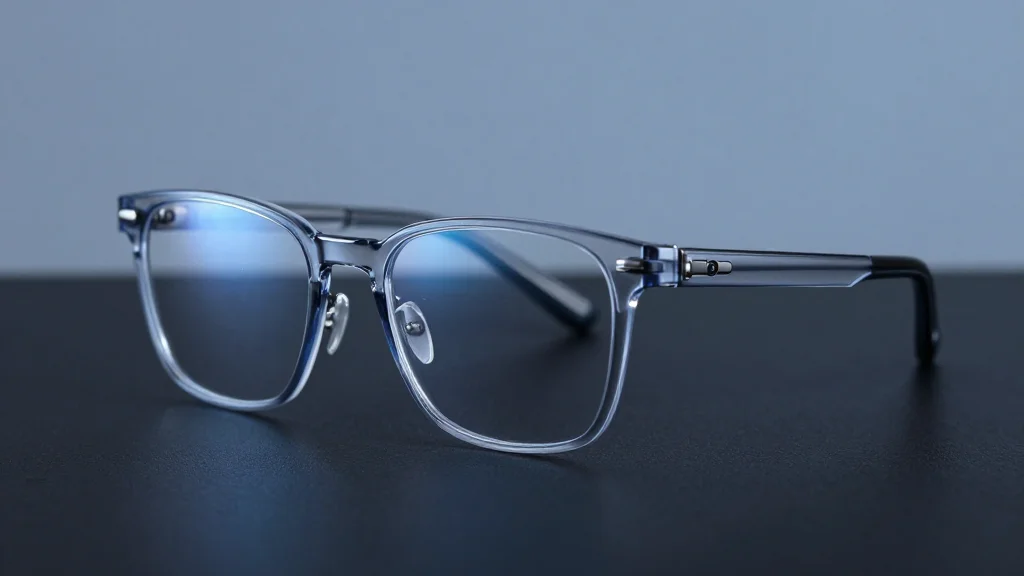
- •Design uses premium acetate frames in four styles, with finishes like black, ocean blue and light brown
- •No built‑in display; functionality relies on camera, microphones, sensors and Siri‑driven AI
- •Part of a three‑pronged AI wearable strategy that includes upgraded AirPods and a camera‑equipped pendant
- •Aims to outpace Meta’s Ray‑Ban smart glasses and reshape the premium wearable market
Pulse Analysis
Apple’s decision to introduce AI‑enabled smart glasses without a heads‑up display reflects a pragmatic approach to a market still grappling with battery life, heat dissipation, and user comfort. By leveraging its existing design language and brand equity, Apple can command a premium price while gathering real‑world data to refine its computer‑vision algorithms. This incremental strategy mirrors the rollout of the Apple Watch, where early adopters validated health sensors before the brand expanded into more sophisticated features.
From a competitive standpoint, Meta’s advantage lies in its head‑up display and early mover status, but Apple’s ecosystem lock‑in—Siri, iOS, and seamless hand‑off between devices—offers a compelling alternative for consumers already entrenched in the Apple universe. If Apple can deliver a fluid, low‑latency AI experience, it could shift the narrative from "AR glasses" to "AI wearables," forcing Meta and other rivals to rethink the value proposition of visual overlays versus contextual intelligence.
Looking ahead, the 2027 launch will serve as a litmus test for Apple’s broader AI ambitions. A successful adoption could accelerate development of the more ambitious, display‑based AR glasses that analysts expect Apple to unveil later in the decade. Conversely, a tepid market response may push Apple to double down on software‑first AI enhancements across its existing hardware, postponing the AR breakthrough. Investors will be watching the product’s pricing, early sales figures, and developer uptake closely, as these metrics will shape the next wave of AI‑driven wearables across the tech industry.
Apple Unveils AI Smart‑Glasses Plan, Targets 2027 Launch to Beat Meta
Comments
Want to join the conversation?
Loading comments...