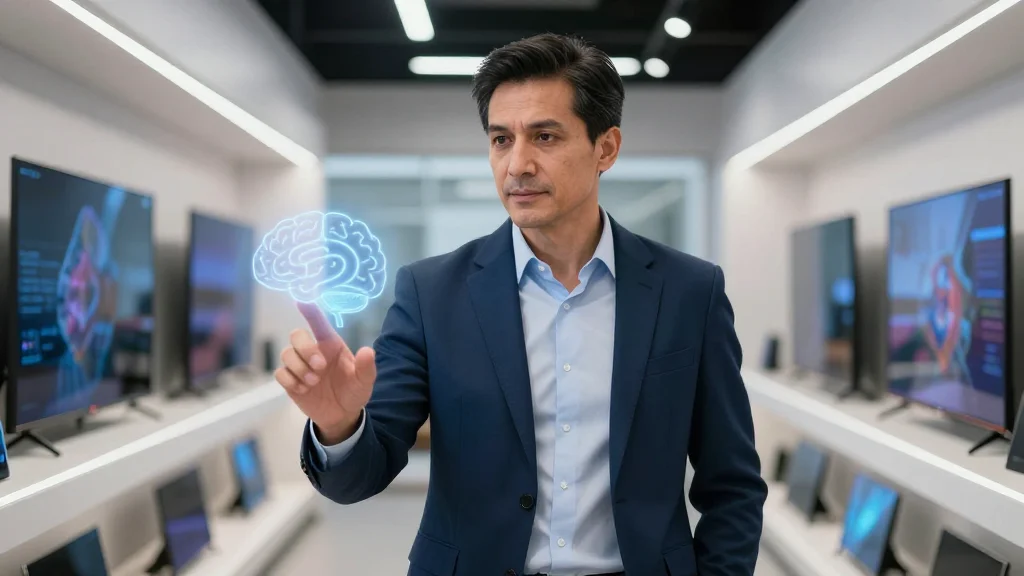
Best Buy Appoints Jason Bonfig as CEO, Eyes AI‑driven Sales Lift

Companies Mentioned

Best Buy

Meta
META
Why It Matters
The appointment of Jason Bonfig signals Best Buy’s intent to embed artificial intelligence into its core retail proposition, a move that could reshape how large brick‑and‑mortar chains compete with pure‑play e‑commerce rivals. By pairing AI‑driven product innovation with a growing third‑party marketplace, the retailer aims to capture higher‑margin sales and diversify revenue streams beyond traditional hardware. Success or failure will provide a benchmark for other legacy retailers considering similar digital transformations. Moreover, the leadership change occurs amid a broader industry shift toward AI‑enhanced consumer electronics, from smart phones to wearables. Best Buy’s strategy to accelerate the introduction of AI‑powered devices could influence supplier negotiations, inventory planning, and the competitive dynamics of the consumer tech market.
Key Takeaways
- •Jason Bonfig named CEO effective Oct. 31, succeeding Corie Barry
- •Bonfig currently oversees marketplace, advertising, merchandising, supply chain and e‑commerce
- •Best Buy projects FY revenue of $41.2‑$42.1 billion, EPS $6.30‑$6.60
- •Comparable sales forecast between –1 % and +1 % for the fiscal year
- •CEO transition tied to AI‑focused product strategy and new device categories
Pulse Analysis
Best Buy’s leadership shuffle reflects a broader trend of legacy retailers turning to technology‑focused executives to navigate the AI era. Bonfig’s deep operational background gives him a granular view of the supply chain and digital marketplace, assets that are increasingly valuable as AI reshapes product lifecycles and consumer expectations. The company’s modest revenue guidance suggests it is not counting on a dramatic rebound, but rather on incremental gains from faster AI product rollouts and marketplace expansion.
Historically, Best Buy’s growth has hinged on timely adoption of emerging tech trends—first with the rise of personal computers, later with smartphones and streaming devices. The current AI wave presents a similar inflection point, but with higher stakes: AI integration affects not only the devices sold but also the retail experience itself, from personalized recommendations to automated inventory management. If Bonfig can accelerate the pipeline for AI‑enabled products like the Ray‑Ban Meta glasses, Best Buy could capture a premium segment that is currently underserved by competitors.
Looking ahead, the key risk lies in execution speed. The retailer must align its vendor relationships, marketing, and in‑store expertise to bring AI products to market faster than rivals. Failure to do so could leave Best Buy lagging in a market where consumer loyalty is increasingly tied to the novelty and utility of AI features. Conversely, a successful rollout could re‑energize the brand, improve same‑store sales, and set a template for other traditional retailers confronting the AI disruption.
Best Buy appoints Jason Bonfig as CEO, eyes AI‑driven sales lift
Comments
Want to join the conversation?
Loading comments...