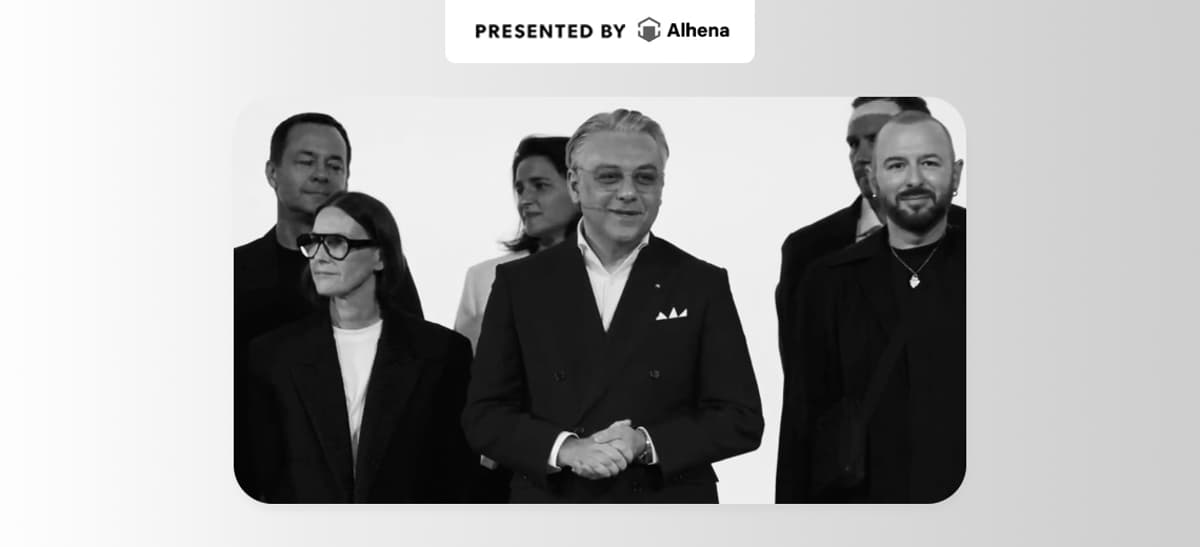
Can Kering’s Comprehensive Plan Really Turn Things Around?
Companies Mentioned

Why It Matters
The plan could restore profitability and diversify revenue away from Gucci, crucial for Kering's long‑term financial health and competitive position in luxury. Success would also reshape the luxury landscape amid slowing demand and geopolitical uncertainty.
Key Takeaways
- •Kering holds about $8 billion debt after recent reductions.
- •New CEO Luca de Meo pauses Valentino acquisition to cut leverage.
- •Gucci SKU count will shrink 20% to restore brand prestige.
- •Beauty division slated for sale to L’Oréal, generating cash.
- •Growth focus shifts to jewelry, leather and emerging markets.
Pulse Analysis
Kering has struggled to maintain momentum as its flagship label, Gucci, posted consecutive sales drops, dragging the group’s top line lower each quarter. The conglomerate’s aggressive expansion—1,700 stores worldwide and a string of acquisitions—left it carrying roughly $8 billion of debt, a figure that has barely budged despite recent cost‑cutting. Analysts have warned that the “one‑brand‑to‑rule‑them‑all” model is unsustainable, especially as rivals such as LVMH and Richemont tighten their own portfolios. The mounting financial pressure set the stage for a decisive leadership change.
Enter Luca de Meo, Kering’s newly appointed CEO, who presented a multi‑pronged “ReconKering” roadmap aimed at stabilizing the balance sheet and rebalancing the brand mix. Key levers include halting the planned purchase of Valentino, divesting the beauty unit to L’Oréal for an undisclosed cash infusion, and trimming Gucci’s SKU assortment by 20% to sharpen its luxury DNA. The group will also double down on higher‑margin segments—jewelry, leather goods, and select accessories—while channeling investment into fast‑growing markets like Nigeria, Brazil, Mexico and India to offset exposure to the volatile Middle East.
If executed cleanly, the plan could return Kering to a healthier debt profile and reduce reliance on a single flagship, giving shareholders a more resilient earnings base. However, success hinges on Gucci’s ability to revive its cachet, the speed of the beauty sale, and consumer sentiment in emerging economies. Geopolitical headwinds, notably the ongoing Middle East conflict, continue to dampen luxury spending worldwide. Competitors are also sharpening their own jewelry and accessories offerings, meaning Kering must deliver distinct product stories to win market share in an increasingly crowded arena.
Can Kering’s comprehensive plan really turn things around?
Comments
Want to join the conversation?
Loading comments...