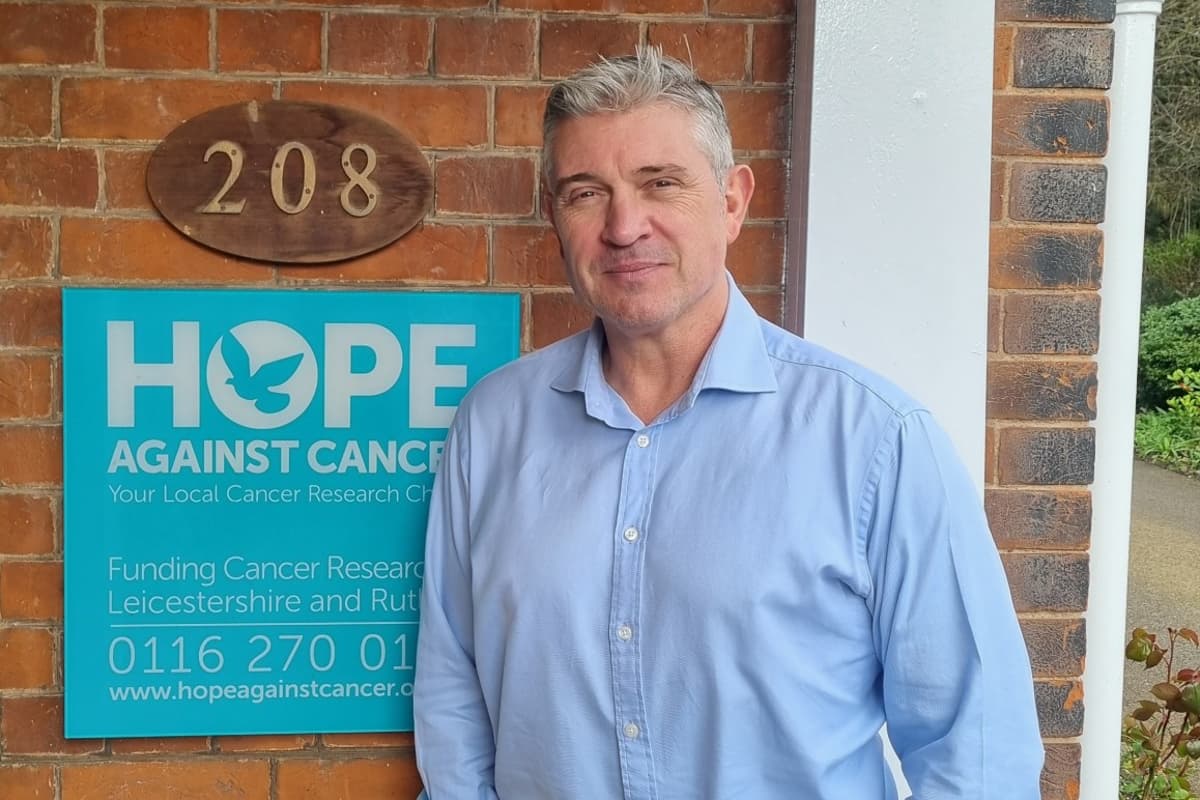
Cancer Research Charity Reveals Former Army Major as New Chief
Why It Matters
Desborough’s military‑grade strategic expertise positions Hope Against Cancer to accelerate its regional expansion and funding capacity, potentially boosting life‑saving research in Leicestershire and Rutland. The leadership change could attract new investment and partnerships, strengthening the charity’s impact on local health outcomes.
Key Takeaways
- •Paul Desborough, ex‑army major, becomes Hope Against Cancer CEO
- •He succeeds Nigel Rose after a 12‑year tenure
- •Desborough’s 35‑year leadership includes Defence and private sector roles
- •Will drive the charity’s 10‑year plan to become a regional research hub
Pulse Analysis
Hope Against Cancer, a modest charity focused on funding cancer research in Leicestershire and Rutland, has long relied on steady leadership to maintain its grant‑making programs. The recent appointment of Paul Desborough, a former British Army major, marks a notable pivot toward a more operationally driven strategy. By bringing a disciplined, mission‑focused mindset, the organization aims to transition from a grant‑making body to a regional hub that not only funds studies but also coordinates large‑scale research initiatives.
Desborough’s résumé reads like a master class in strategic execution. After 31 years in the Army, where he oversaw complex missions and high‑pressure environments, he moved into senior civilian roles, including deputy chief executive of the East Midlands Reserve Forces and Cadets Association and director of human resources at Carrier Landscapes. This blend of defence logistics and private‑sector people management equips him to translate broad visions into actionable plans—a skill set that aligns with Hope Against Cancer’s ambition to build a "centre of excellence" for oncology research. His experience in aligning resources, managing risk, and delivering outcomes is directly applicable to scaling charitable operations.
The implications for the regional cancer ecosystem are significant. With Desborough at the helm, the charity’s 10‑year growth roadmap is likely to emphasize infrastructure development, collaborative partnerships with universities and biotech firms, and a stronger fundraising narrative that appeals to corporate sponsors seeking measurable impact. By positioning Leicestershire and Rutland as a focal point for cutting‑edge research, the organization could attract federal grants and private capital, thereby accelerating the pipeline of innovative therapies. In a competitive funding landscape, this leadership change may set a new benchmark for how local charities drive scientific advancement while delivering tangible health benefits to their communities.
Cancer research charity reveals former army major as new chief
Comments
Want to join the conversation?
Loading comments...