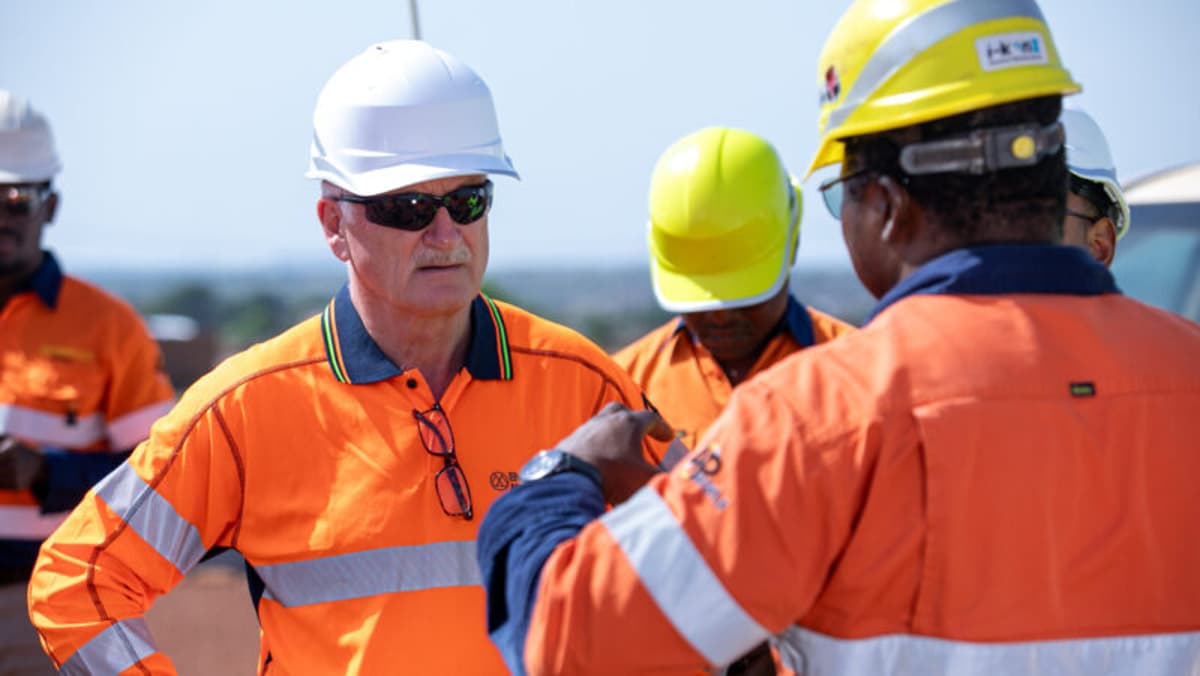
Cockerill’s 20-Bagger: Why Discovery Gives Endeavour Edge
•February 26, 2026
0

Why It Matters
The turnaround demonstrates how disciplined project delivery and low‑cost discovery can generate outsized cash flow and shareholder returns in a high‑price gold environment, reshaping Endeavour’s competitive standing.
Key Takeaways
- •Lafigué mine poured first gold July 2024
- •Sabodala‑Massawa BIOX expansion completed early 2024
- •Share price tripled versus peers in 12 months
- •Target 12‑15 M oz discovery by 2030, <$40/oz cost
- •New Kazakhstan JV adds up to $25 M investment
Pulse Analysis
Endeavour Mining’s recent performance underscores the strategic value of strong leadership during periods of crisis. Ian Cockerill, who took the helm after a scandal‑tainted CEO departure, steered the company through its toughest nine months by prioritising project execution. The successful first gold pour at Lafigué and the timely completion of the Sabodala‑Massawa BIOX expansion not only restored operational confidence but also aligned with a bullish gold market, amplifying free cash flow and enabling rapid debt reduction.
The miner’s core advantage now lies in its exploration premium. Over the past decade, Endeavour has uncovered more than 21 million ounces at an average cost of $25 per ounce, a metric that dwarfs industry averages. Its 2026‑2030 roadmap targets an additional 12‑15 million ounces for under $40 per ounce, a cost structure that translates into a $2,000 incremental value for every $100 spent at current price levels. Projects like Assafou, with 4.6 million ounces of measured and indicated resources, promise to lift production to 329,000 ounces annually, reinforcing the “20‑bagger” narrative that low‑cost discovery can dramatically boost shareholder returns.
Geographic diversification introduces both opportunity and risk. The recent joint venture in Kazakhstan, committing up to $25 million ahead of a feasibility study, expands Endeavour’s footprint into under‑explored terrain, potentially unlocking tier‑one gold deposits. However, political and fiscal uncertainties in West Africa, where the bulk of its assets reside, remain a concern. Balancing these dynamics, the market rewards Endeavour’s disciplined capital allocation and resilient operational model, positioning it as a compelling play for investors seeking exposure to gold’s upside while mitigating the volatility typical of larger, higher‑cost producers.
Cockerill’s 20-bagger: why discovery gives Endeavour edge
0
Comments
Want to join the conversation?
Loading comments...