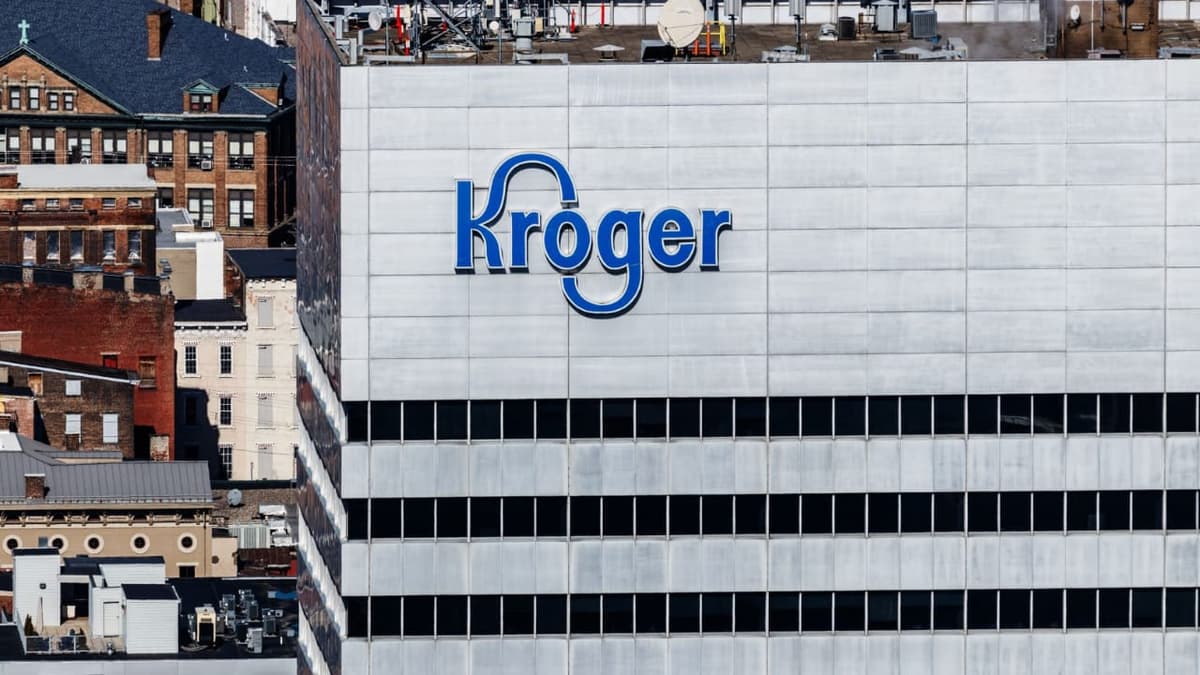
Does Kroger Have an Executive Problem?
Companies Mentioned
Why It Matters
Kroger’s leadership shake‑up and operational deficiencies threaten its ability to compete with discounters and e‑commerce rivals, making a successful turnaround critical for its market share and profitability.
Key Takeaways
- •Greg Foran, ex‑Walmart, becomes Kroger’s first outside CEO
- •Promoted digital chief Cosset and merch chief Adcock exceed capabilities
- •CFO David Kennerley seen as too operational, lacking strategic focus
- •Pricing complexity and out‑of‑stocks flagged as major weaknesses
- •Analysts suggest acquiring a last‑mile player like Gopuff
Pulse Analysis
Kroger’s decision to bring in Greg Foran, a veteran of Walmart’s massive scale operations, marks a watershed moment for the Cincinnati‑based grocer. Historically, the retailer has promoted from within, but the mounting pressure from low‑price competitors and the rapid rise of digital grocery forced the board to look outward. Foran’s track record of streamlining supply chains and driving cost efficiencies is expected to address Kroger’s lagging margins, yet his arrival coincides with a series of internal promotions that many industry observers deem premature. Yael Cosset, the chief digital and technology officer, and Mary Ellen Adcock, chief merchandising and marketing officer, have been thrust into broader responsibilities that stretch beyond their proven skill sets, raising concerns about execution risk at the senior level.
Beyond leadership, Kroger is wrestling with systemic operational challenges. Pricing structures have become overly intricate, eroding price competitiveness, while persistent out‑of‑stock incidents undermine shopper confidence. The company’s AI initiatives have delivered limited value, and its IT organization struggles to keep pace with the data‑driven demands of modern retail. Supply‑chain costs remain high, and the partnership with Ocado for automated micro‑fulfillment has yet to yield the promised efficiencies. These pain points collectively inflate operating expenses and hamper Kroger’s ability to respond swiftly to market shifts.
Analysts argue that a comprehensive overhaul is essential. Replacing underperforming executives, reassessing the use of outsourcing and AI for merchandising, and potentially divesting the 84.51 data‑science unit could free resources for strategic investments. Acquiring a last‑mile delivery specialist such as Gopuff or Skipcart would bolster Kroger’s e‑commerce fulfillment, while a clearer pricing strategy could simplify shopper decisions. If Kroger can align its leadership with a focused operational roadmap, it may restore growth momentum and defend its position against both traditional discounters and digital-native entrants.
Does Kroger have an executive problem?
Comments
Want to join the conversation?
Loading comments...