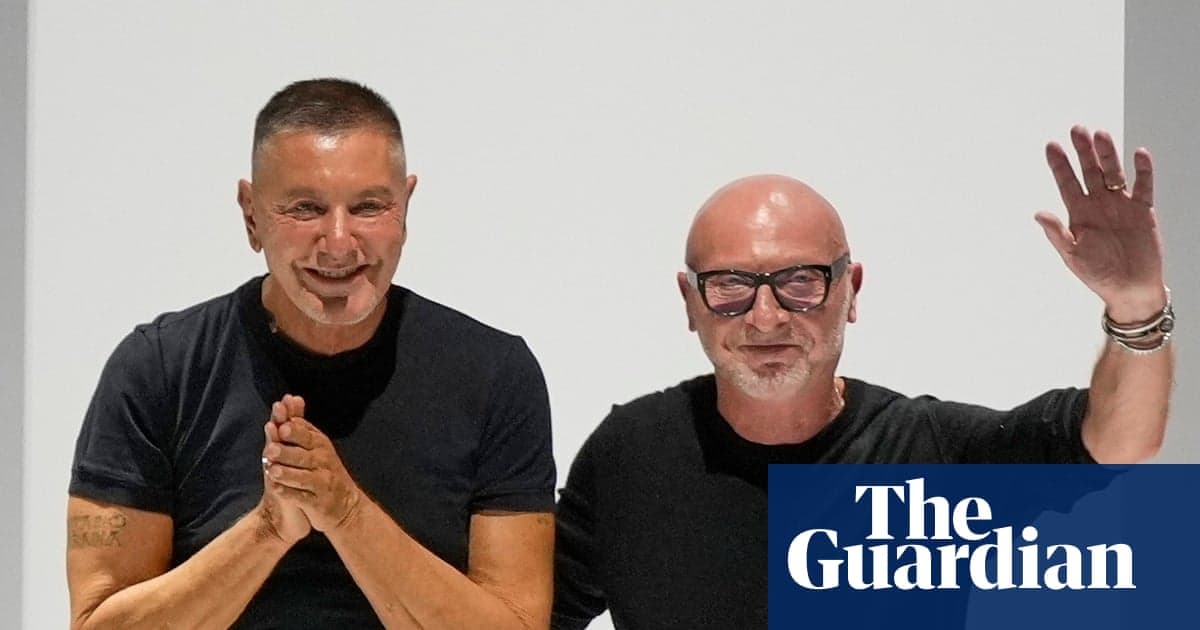
Dolce & Gabbana Says Co-Founder Stefano Gabbana Has Quit as Chair
Companies Mentioned
Why It Matters
The leadership change and potential stake sale come as D&G navigates a heavy debt load and a softening luxury market, influencing its independence and strategic options. Stakeholder confidence and creditor terms hinge on how the reshuffle stabilizes the brand’s financial outlook.
Key Takeaways
- •Stefano Gabbana resigned as D&G chair effective Jan 1, 2026.
- •Alfonso Dolce assumed chair role, while Gabbana weighs selling his 40% stake.
- •D&G carries roughly $495 million in bank debt amid creditor talks.
- •Former Gucci CEO Stefano Cantino joins D&G’s top management team.
- •Luxury market slowdown and Middle East tensions pressure D&G’s earnings.
Pulse Analysis
Dolce & Gabbana’s governance overhaul marks a pivotal moment for the iconic Italian label. Stefano Gabbana’s resignation, effective at the start of the year, was framed as a routine evolution, yet his contemplation of divesting a 40% stake signals a potential shift in ownership dynamics. Alfonso Dolce’s assumption of the chair role, coupled with the recruitment of ex‑Gucci chief Stefano Cantino, aims to reinforce managerial depth while preserving the brand’s creative engine, which remains under Gabbana’s direction.
Financially, D&G is confronting a challenging landscape. The company’s balance sheet reflects approximately $495 million in bank debt after a 2025 refinancing, and it has engaged Rothschild & Co to steer negotiations with lenders. The uncertainty surrounding Gabbana’s stake sale adds complexity to creditor talks, as banks assess the impact on collateral and future cash flows. Concurrently, a broader slowdown in the high‑end fashion market—exacerbated by geopolitical tensions in the Middle East, a key luxury market—pressures revenue growth and heightens the urgency for a viable restructuring plan.
The reshuffle carries broader implications for the luxury sector. As legacy houses grapple with evolving consumer preferences and heightened scrutiny over past controversies, leadership stability becomes a competitive advantage. D&G’s ability to maintain its distinctive aesthetic while addressing governance and financial concerns will influence investor sentiment and set a precedent for other family‑run fashion empires facing similar debt and market headwinds. The coming months will reveal whether the new management configuration can secure favorable creditor terms and sustain the brand’s global relevance.
Dolce & Gabbana says co-founder Stefano Gabbana has quit as chair
Comments
Want to join the conversation?
Loading comments...