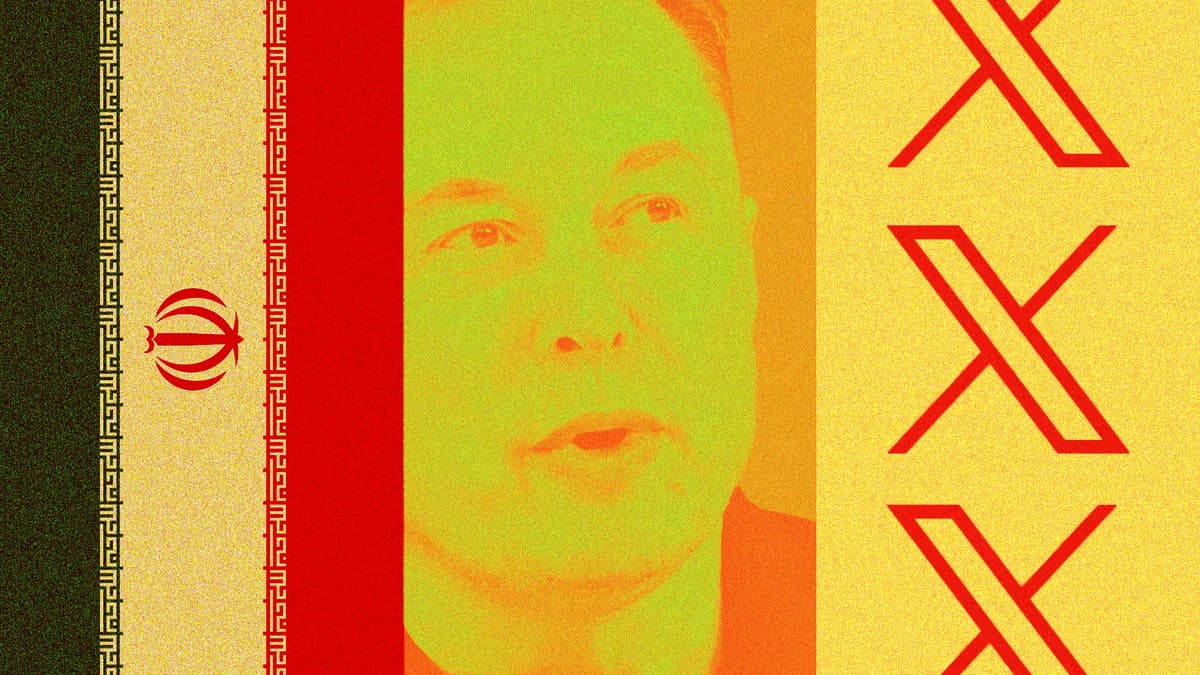
Elon Musk’s X Is Accused of Selling Blue Checkmarks to Sanctioned Iranian Government Accounts
Companies Mentioned

Why It Matters
The finding exposes X to potential sanctions‑violation investigations and reputational damage, highlighting the challenges tech firms face when monetizing services for sanctioned entities. It also underscores the broader regulatory risk of linking verification symbols to paid tiers in geopolitically sensitive markets.
Key Takeaways
- •Over 24 sanctioned Iranian accounts hold X blue checkmarks.
- •Blue checkmarks now indicate paid Premium subscriptions, not verification.
- •Officials include chief justice, security council secretary, former foreign minister.
- •U.S. sanctions allow free public access, not paid services.
- •Potential regulatory scrutiny for X’s revenue from sanctioned users.
Pulse Analysis
X’s shift from a public‑interest verification badge to a paid‑subscription indicator has fundamentally altered how credibility is displayed on the platform. Since Musk’s 2022 $44 billion acquisition, the blue checkmark has become a revenue stream, rewarding users who subscribe to X Premium. This model, while lucrative, blurs the line between verification and commercial status, making it harder for observers to distinguish authentic public figures from paying entities. The recent discovery that Iranian officials under OFAC sanctions possess these badges illustrates how the policy can inadvertently facilitate sanctioned actors’ access to premium features.
U.S. sanctions law permits technology companies to provide Iranian users with free, publicly available services, but explicitly bars monetized offerings. By charging sanctioned officials for Premium subscriptions, X may have crossed that legal boundary, exposing the company to civil penalties and enforcement actions from the Treasury’s Office of Foreign Assets Control. The fine line between permissible free access and prohibited paid services is increasingly scrutinized as governments tighten digital‑economy oversight. Companies must therefore implement robust compliance frameworks, including real‑time sanctions screening and transaction monitoring, to avoid inadvertent revenue from prohibited parties.
The episode also fuels a broader debate about the responsibilities of social‑media platforms in geopolitically volatile regions. As verification symbols become commodified, the risk of legitimizing state‑aligned narratives grows, potentially amplifying disinformation. Regulators may push for clearer separation between verification and paid tiers, or even re‑introduce a neutral verification system. For X, navigating this landscape will require balancing revenue goals with compliance, transparency, and the preservation of platform integrity, especially as investors and policymakers demand higher standards of corporate governance in the digital sphere.
Elon Musk’s X Is Accused of Selling Blue Checkmarks to Sanctioned Iranian Government Accounts


Comments
Want to join the conversation?
Loading comments...