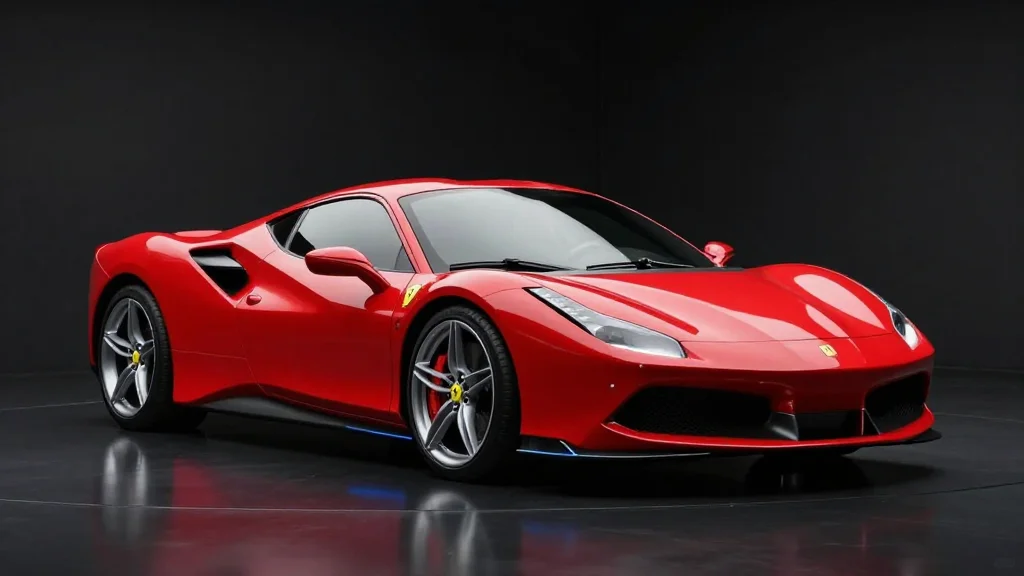
Ferrari CEO Vigna Defends $640,000 Luce EV Price Amid Investor and Fan Backlash

Companies Mentioned
Why It Matters
The Luce represents Ferrari’s first foray into a market where legacy automakers are racing to electrify their line‑ups while preserving brand DNA. A successful launch could prove that ultra‑luxury EVs can command premium prices without diluting the mythos that fuels Ferrari’s scarcity‑driven pricing model. Conversely, a prolonged sales slump would signal that even the most affluent buyers expect electric models to retain the visceral experience—sound, design language, and heritage—that defines the brand. Beyond Ferrari, the episode underscores a broader industry tension: legacy manufacturers must decide whether to innovate boldly and risk alienating core enthusiasts, or to adopt a more incremental approach that may lag behind pure‑EV competitors. Vigna’s public defense of the Luce’s price and design offers a case study in how CEOs navigate stakeholder expectations while steering their firms into an electrified future.
Key Takeaways
- •Ferrari’s Luce EV priced at €550,000 ($640,000) – the most expensive mass‑produced EV to date
- •Shares fell 8.4% in Milan and 5.3% in the U.S. after the launch, recovering 3.5% after Vigna’s comments
- •CEO Benedetto Vigna cited three buyer emails and “true innovation” as justification for the price
- •Former chairman Luca di Montezemolo warned the car could “risk the destruction of a myth”
- •Analysts expect fewer than 1,000 units produced, targeting ultra‑wealthy tech buyers
Pulse Analysis
Ferrari’s gamble with the Luce is a textbook example of a heritage brand confronting disruptive technology. Historically, Ferrari has leveraged scarcity and emotional branding to command price premiums far above comparable performance cars. By entering the EV arena at a $640,000 price point, the company is betting that its cachet can transfer to a silent powertrain, a hypothesis that hinges on the willingness of a niche of ultra‑wealthy buyers to pay for brand equity over sensory experience.
The immediate market reaction—an 8% share drop—mirrors the volatility seen when other luxury marques have misread consumer sentiment, such as the Ford Edsel in the 1950s. However, Ferrari’s limited production run mitigates the risk of a large‑scale financial loss; the company can absorb a modest volume shortfall while preserving its high‑margin, low‑volume business model. The real test will be whether the Luce can generate enough halo effect to attract new customers to the broader Ferrari ecosystem, potentially boosting demand for its combustion‑engine models and accessories.
Strategically, Vigna’s emphasis on technology leadership aligns with a broader shift among premium automakers to position themselves as innovators rather than mere manufacturers. If the Luce succeeds, it could set a precedent for other heritage brands to price electric models at a premium, reinforcing the notion that luxury is as much about narrative and exclusivity as it is about performance. If it falters, the episode may accelerate a re‑evaluation of how much heritage can be stretched before it fractures, prompting rivals to adopt more conservative EV strategies. Either outcome will reverberate through the luxury automotive sector, influencing pricing, design, and brand‑management decisions for years to come.
Ferrari CEO Vigna Defends $640,000 Luce EV Price Amid Investor and Fan Backlash
Comments
Want to join the conversation?
Loading comments...