Kinross Is Flush but Not Feeling Forced Into M&A
Companies Mentioned
Why It Matters
Kinross’ strategy shows how a strong balance sheet and a deep internal pipeline can drive growth and shareholder returns without relying on costly acquisitions, setting a benchmark for capital‑intensive miners in a high‑price gold environment.
Key Takeaways
- •$3.9 bn liquidity gives Kinross flexibility amid $15.8 bn sector deal flow.
- •Great Bear slated for 500k oz/yr at $865/oz, production 2029.
- •Organic U.S. projects target 400k oz/yr, $4.1 bn NPV, 55% IRR.
- •Shareholder returns include $1.2 bn buybacks, 40% of free cash flow.
Pulse Analysis
The gold mining sector has entered a frenzy of mergers, with deal activity more than doubling year‑over‑year to roughly $15.8 billion. Most peers are scrambling for scale, yet Kinross Gold is charting a different course. Backed by $3.9 billion of liquidity and a robust cash position, the company can weather price volatility and still fund ambitious development plans without diluting equity or taking on excessive debt. This financial flexibility is especially valuable as gold prices hover near historic highs, reinforcing Kinross’ ability to allocate capital where it sees the greatest return.
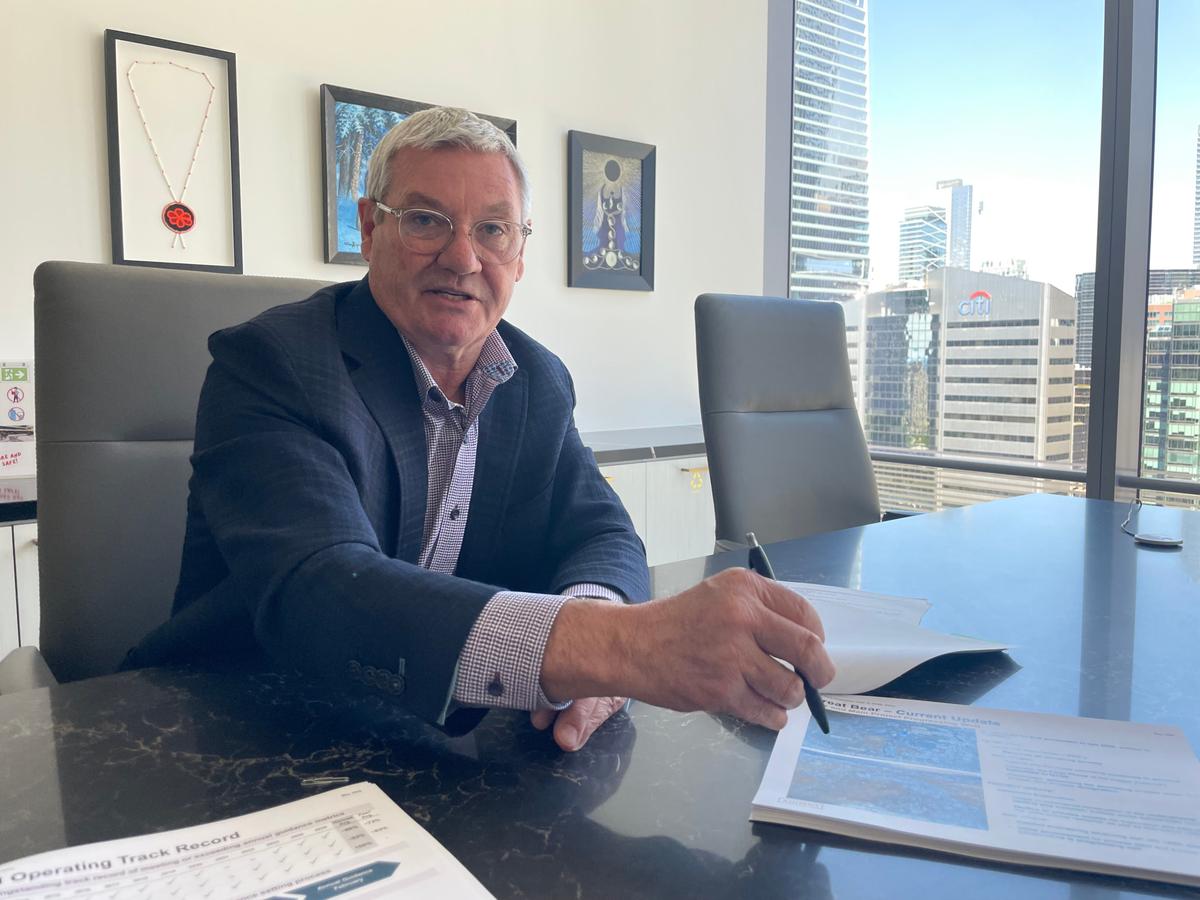
At the heart of Kinross’ growth narrative is the Great Bear project in Ontario, a "generational asset" that promises 500,000 ounces of gold per year at an all‑in sustaining cost of about $865 per ounce. The mine’s unique sheet‑like orebody, unlike the narrow veins of nearby Red Lake, is being advanced through a two‑track permitting strategy that has already seen surface construction reach 90% completion. Parallel to Great Bear, Kinross is de‑risking three U.S. projects—Round Mountain Phase X, Bald Mountain Redbird 2, and Kettle River‑Curlew—collectively targeting 400,000 gold‑equivalent ounces annually and delivering a combined post‑tax NPV of $4.1 billion with a 55% internal rate of return at a $4,300 gold price. The technical services team, a dedicated "technical army," underpins these advances by rigorously validating grades and economics before any capital is committed.
Kinross’ capital‑allocation philosophy reflects a disciplined balance between growth and shareholder reward. Rather than pursuing large‑scale acquisitions, the firm is channeling roughly 40% of free cash flow—about $1.2 billion—into dividends and share buybacks, a move that resonates with its U.S.‑heavy investor base despite the tax inefficiencies of dividends. This approach not only sustains investor confidence but also positions Kinross to capitalize on any further gold price upside. As the industry watches the M&A tide recede, Kinross’ emphasis on organic development and technical rigor may become a template for miners seeking sustainable, high‑margin expansion in a volatile commodities market.
Kinross is flush but not feeling forced into M&A
Comments
Want to join the conversation?
Loading comments...