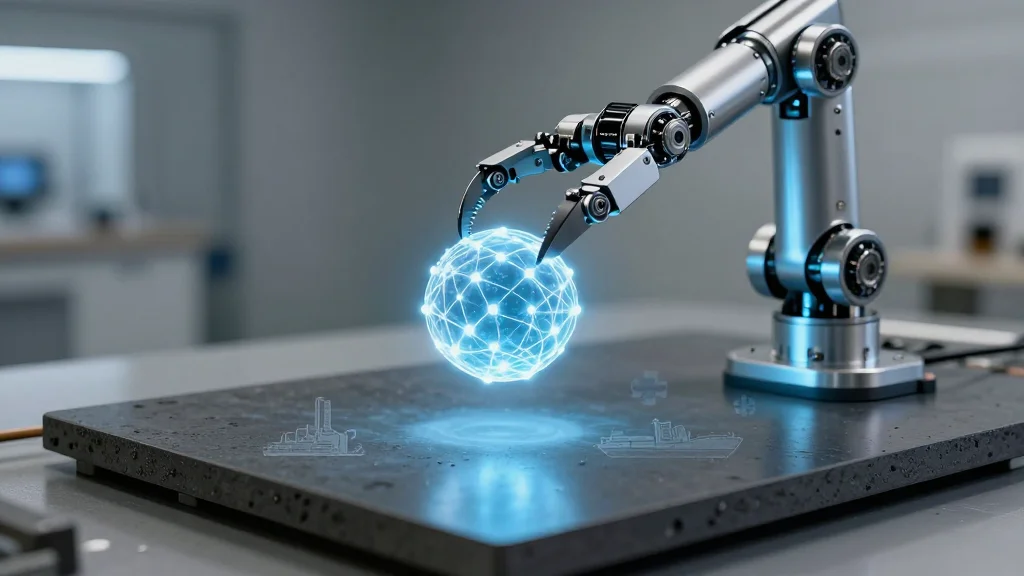
Nvidia CEO Jensen Huang Urges Graduates to Lead AI’s Industrial Era

Companies Mentioned
Why It Matters
Huang’s address spotlights AI as a cross‑industry catalyst, not just a software trend. For CEOs, this reframes strategic planning: investments in AI must now consider supply‑chain automation, skilled‑trade augmentation, and new business models that blend physical and digital workforces. The emphasis on responsible advancement also foreshadows tighter policy environments, making governance a competitive differentiator. By casting AI as the engine of a new industrial era, Huang amplifies the urgency for leaders to upskill their workforces, forge partnerships with hardware providers, and embed ethical safeguards. The speech therefore serves as both a rallying cry and a strategic blueprint for executives navigating the next decade of technology‑driven growth.
Key Takeaways
- •Jensen Huang told Carnegie Mellon graduates AI marks a new industrial era.
- •He emphasized that AI will affect every trade, from electricians to plumbers.
- •Huang warned that responsible development must accompany rapid innovation.
- •The speech signals heightened demand for AI‑enabled hardware and infrastructure.
- •CEO focus will shift toward integrating AI across physical and digital operations.
Pulse Analysis
Huang’s framing of AI as an industrial catalyst mirrors the historical pattern where platform shifts—personal computers, the internet, mobile—redefined entire economies. Unlike prior waves that primarily reshaped information processing, this AI surge promises to embed intelligence into the physical fabric of production, logistics, and services. CEOs who can orchestrate this integration will likely dominate emerging markets, while those who treat AI as a peripheral add‑on risk obsolescence.
The call for responsible AI development adds a layer of complexity. As regulators worldwide draft AI safety standards, firms that proactively embed compliance into product design will avoid costly retrofits and reputational damage. Moreover, Huang’s inclusive vision—extending AI benefits to traditional trades—suggests a future where workforce upskilling becomes a core strategic priority. Companies that invest early in training programs and collaborative ecosystems with trade unions may capture talent pipelines that competitors overlook.
Finally, the speech underscores a geopolitical dimension: Huang linked AI’s infrastructure build‑out to America’s capacity to rebuild its industrial base. This narrative aligns with national policy pushes for domestic semiconductor and AI hardware production. CEOs operating in the U.S. may find new incentives, subsidies, and public‑private partnerships that accelerate AI deployment at scale, reinforcing the United States’ competitive edge in the global technology race.
Nvidia CEO Jensen Huang urges graduates to lead AI’s industrial era
Comments
Want to join the conversation?
Loading comments...