Why It Matters
The strategy signals Ørsted’s shift toward collaborative growth and disciplined capital allocation, reshaping competitive dynamics in the offshore wind sector across its core markets.
Key Takeaways
- •Ørsted targets partnerships in Europe, APAC for growth
- •8.1 GW construction pipeline ends 2027, new capacity sought
- •€8 bn rights issue and €6.2 bn divestments completed
- •2,000 jobs cut by 2027 to improve efficiency
- •No new US lease acquisitions planned
Pulse Analysis
Ørsted’s move to seek partnerships and acquisitions reflects a broader industry trend where scale alone no longer guarantees profitability. As offshore wind projects mature, developers are turning to collaborative models that spread risk, unlock new financing pathways, and accelerate technology deployment. By focusing on fixed‑bottom turbines in Europe and the fast‑growing APAC market, Ørsted can tap into regions with supportive policy frameworks and robust supply chains, positioning itself as a value‑creating hub rather than a pure volume builder.
The company’s recent financial maneuvers underscore a disciplined capital strategy. An €8 bn rights issue bolstered its balance sheet, while a €6.2 bn divestment programme trimmed non‑core assets, freeing cash for strategic investments. Coupled with a planned reduction of 2,000 staff positions by 2027, Ørsted aims to lower operating costs and improve EBITDA margins. These actions not only enhance resilience against construction slow‑downs but also signal to investors a commitment to sustainable profitability.
Looking ahead, Ørsted’s focus on upcoming auctions in Denmark, the Netherlands, Belgium, the UK, Taiwan, South Korea and Australia highlights its intent to dominate high‑value, policy‑driven markets. By explicitly excluding further US lease acquisitions, the firm concentrates resources where regulatory certainty is higher. This geographic prioritization is likely to influence competitive bidding dynamics, encouraging other developers to form consortia or pursue joint ventures to match Ørsted’s strategic depth and financial muscle.
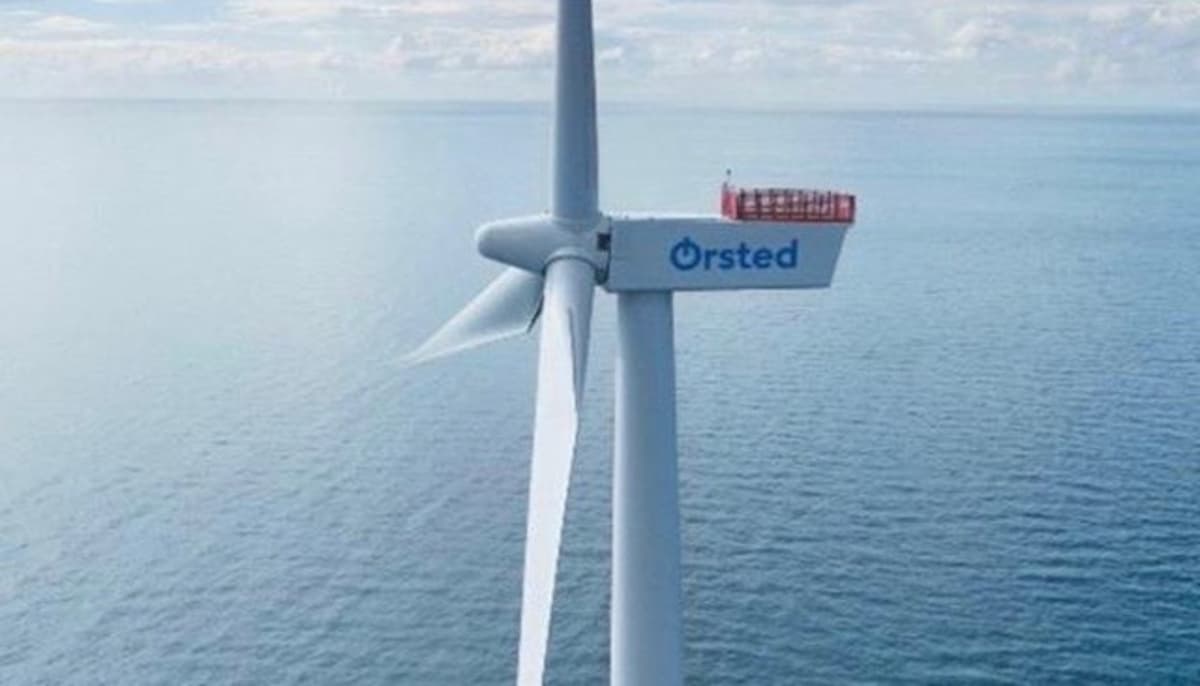
Orsted eyes Europe and APAC revenue growth


Comments
Want to join the conversation?
Loading comments...