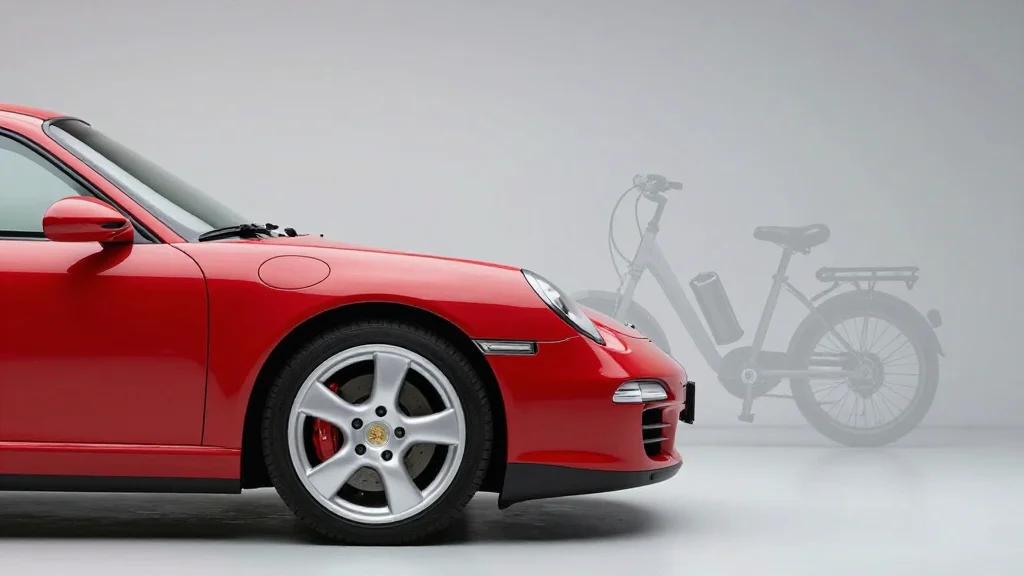
Porsche Shuts Down Three Subsidiaries, Cuts 500 Jobs in CEO‑led Overhaul

Companies Mentioned
Why It Matters
The closure of Porsche’s e‑bike, battery and software subsidiaries illustrates how CEOs are forced to make swift, painful decisions when diversification strategies clash with core profitability. For the luxury automotive sector, the shift toward an open‑powertrain model could accelerate partnerships with specialist battery makers, reshaping supply chains and competitive dynamics. Moreover, the move highlights the growing importance of agile leadership in navigating the transition from internal combustion to electric mobility, especially as regional sales trends diverge. For investors and industry watchers, Porsche’s restructuring offers a case study in how legacy brands can re‑engineer their portfolios to stay relevant. The decision may prompt other premium manufacturers to reassess in‑house EV component programs, potentially spurring consolidation among battery and software providers seeking scale.
Key Takeaways
- •Porsche will shut down three subsidiaries—eBike Performance, Cellforce Group, and Cetitec.
- •More than 500 employees will be laid off as part of the closures.
- •Q1 sales fell 11% in North America, 21% in China, and 18% in Europe.
- •CEO Michael Leiters framed the cuts as essential to refocus on core automotive business.
- •Porsche adopts a technology‑open powertrain strategy, relying on external battery suppliers.
Pulse Analysis
Porsche’s latest restructuring underscores a pivotal moment for CEOs steering legacy automakers through the EV transition. Historically, premium brands have pursued vertical integration to control technology and branding. However, the capital intensity of battery R&D and the rapid pace of innovation have eroded the cost advantage of in‑house development. By shedding Cellforce, Porsche aligns with a growing cohort of manufacturers—such as BMW and Mercedes—who are increasingly sourcing batteries from specialist firms like CATL and LG Energy Solution. This shift reduces upfront CAPEX but introduces new dependencies on external supply chains, raising questions about long‑term differentiation.
The decision also reflects a broader strategic calculus: preserving brand equity while trimming underperforming units. Michael Leiters, who took the helm earlier this year, has signaled a willingness to make “painful cuts” to protect the core business. This approach mirrors actions taken by other CEOs in the sector, such as Volvo’s recent divestiture of its autonomous‑driving unit. The common thread is a focus on cash flow and margin recovery, especially as macro‑economic headwinds dampen demand for high‑priced EVs in key markets.
Looking forward, Porsche’s open‑powertrain model could accelerate industry consolidation among battery and software providers, creating a tiered supplier ecosystem. If the all‑electric Cayenne and other upcoming models meet performance expectations, Porsche may vindicate its strategy and set a precedent for other luxury marques. Conversely, any misstep could expose the risks of relinquishing control over critical EV components, potentially prompting a reversal toward more integrated development. The next earnings cycle will be the litmus test for whether this CEO‑driven overhaul restores growth or merely postpones deeper structural challenges.
Porsche shuts down three subsidiaries, cuts 500 jobs in CEO‑led overhaul
Comments
Want to join the conversation?
Loading comments...