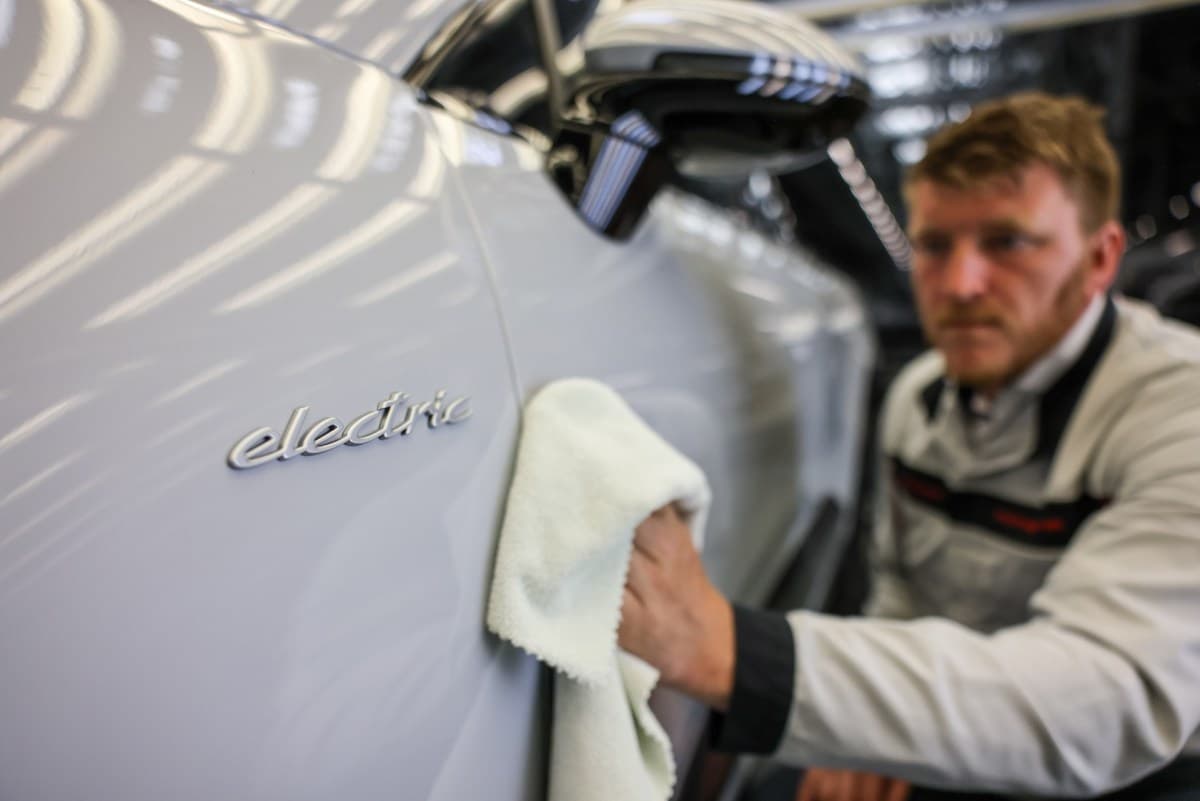
Porsche Shutters E-Bike, Battery, Software Subsidiaries as Part of Company Overhaul
Companies Mentioned
Why It Matters
The shutdown signals Porsche’s shift from in‑house battery development to external sourcing, aiming to cut costs and accelerate its EV roadmap. It highlights broader industry challenges as premium brands grapple with slowing demand and the high capital intensity of electrification.
Key Takeaways
- •Porsche shuts three subsidiaries, cutting 500 jobs
- •Cellforce shift signals reliance on external battery suppliers
- •EV sales slump drives strategic refocus on core models
- •Porsche plans all‑electric Cayenne, ending gas Macan
- •German automaker exits e‑bike and software ventures
Pulse Analysis
Porsche’s latest restructuring reflects a painful but increasingly common reality for legacy automakers: the race to electrify is colliding with volatile demand and hefty development costs. After a 11% sales dip in the United States, a 21% decline in China, and an 18% drop across Europe, the German marque is trimming non‑core assets to preserve cash flow. The closures of Cellforce Group, eBike Performance, and Cetitec not only eliminate over 500 positions but also signal a decisive pivot away from proprietary battery production and niche mobility ventures.
By adopting a "technology‑open powertrain" strategy, Porsche will lean on established battery suppliers and shared platforms within the Volkswagen Group, reducing R&D spend while still targeting premium electric offerings. This mirrors a broader industry trend where manufacturers outsource high‑cost components to accelerate time‑to‑market and mitigate supply‑chain risk. For Porsche, the shift could restore margins and free resources for its core sports‑car DNA, yet it also raises questions about differentiation in an increasingly commoditized EV market.
Looking ahead, Porsche’s product pipeline remains ambitious: an all‑electric Cayenne is slated for launch later this year, and the gas‑powered Macan will be phased out. If the company can translate these models into strong sales, the restructuring may prove a catalyst for renewed profitability. However, success will depend on navigating fierce competition, especially in China where EV adoption outpaces many rivals. Porsche’s gamble underscores the high stakes of balancing heritage performance with the economics of electrification in today’s automotive landscape.
Porsche shutters e-bike, battery, software subsidiaries as part of company overhaul
Comments
Want to join the conversation?
Loading comments...