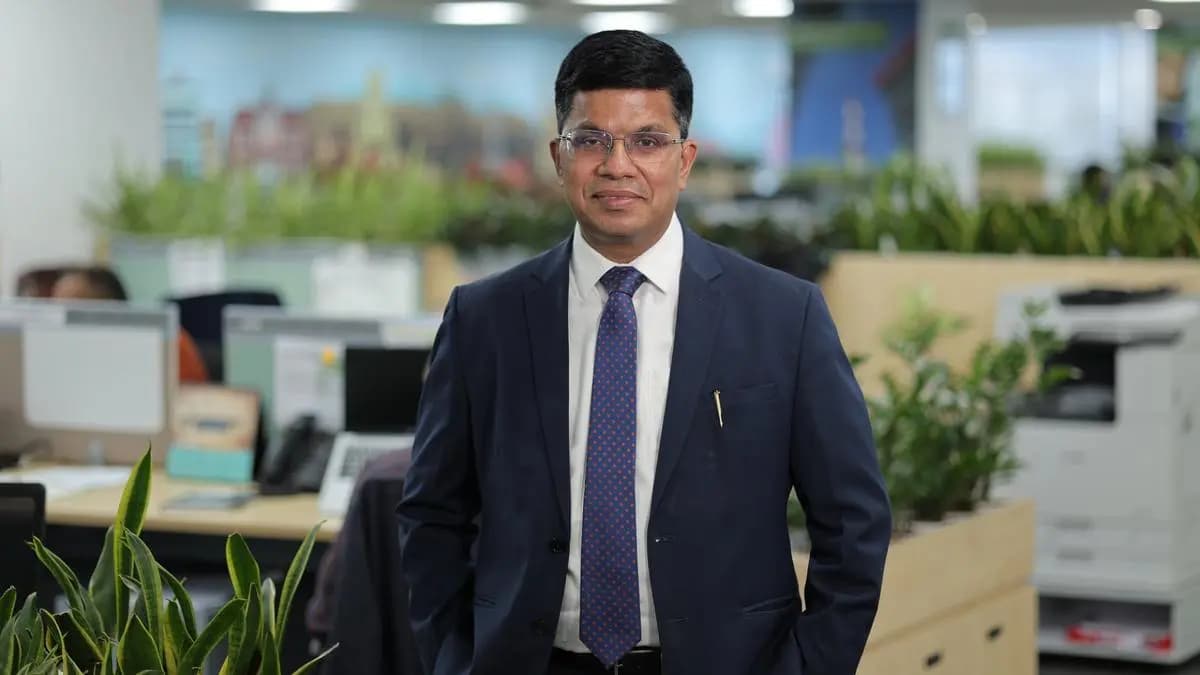
SEIL Energy India Will Not Diversify for Optics: CEO
Why It Matters
By concentrating on its core thermal asset and selective IBC acquisitions, SEIL aims to secure stable cash flows while supporting India’s transition to a more flexible, renewable‑integrated grid.
Key Takeaways
- •SEIL evaluating IBC-resolved assets with operational synergies.
- •95% of 2,640 MW capacity already contracted.
- •Exporting 450 MW power to Bangladesh continues.
- •Emphasizes stable PPAs and late‑payment surcharge rules.
- •Supercritical plants seen as flexible, renewable‑friendly assets.
Pulse Analysis
SEIL Energy India’s strategic stance reflects a broader trend among Indian power generators to double‑down on core assets rather than chase peripheral growth. While many firms eye diversification into renewables or ancillary services, SEIL’s CEO Janmejaya Mahapatra argues that the company’s competitive advantage lies in its large‑scale supercritical coal plant, which can deliver reliable baseload and ramping capabilities. By signaling willingness to evaluate IBC‑resolved assets, SEIL positions itself to acquire distressed yet high‑quality generation facilities that can be integrated without diluting focus, a move that could enhance its asset base while preserving operational discipline.
The 2,640 MW plant, now 95% contracted, supplies power to Andhra Pradesh, Telangana, Haryana, Tamil Nadu and exports 450 MW to Bangladesh, underscoring SEIL’s role in regional energy security. Stable, long‑term power purchase agreements (PPAs) are highlighted as vital for attracting capital in a capital‑intensive sector. Recent regulatory improvements, such as the Late Payment Surcharge (LPS) rules and clearer guidance from the Central Electricity Regulatory Commission, have reduced payment delays, boosting investor confidence and enabling smoother cash‑flow management for infrastructure projects.
In the wider Indian energy mix, supercritical coal plants are being re‑positioned from pure baseload providers to flexible resources that can complement intermittent renewables. Their higher efficiency and lower emissions relative to older units make them suitable for ramp‑up and ramp‑down operations, supporting grid stability as solar and wind penetration rises. SEIL’s emphasis on extending plant life to 40 years aligns with this flexibility narrative, suggesting that well‑maintained thermal assets will remain a cornerstone of India’s transition, offering a bridge to a more diversified, low‑carbon future.
SEIL Energy India will not diversify for optics: CEO
Comments
Want to join the conversation?
Loading comments...