SM Group Lifts Renewable Energy Share to 31% in 2025, CEO Says It Cuts Carbon by 370,000 Tons

Companies Mentioned
Why It Matters
SM Group’s renewable‑energy push matters because it demonstrates how a diversified Asian conglomerate can embed sustainability into core operations while delivering financial upside. By sourcing nearly a third of its power from clean sources, the group reduces exposure to volatile oil and gas markets, stabilises operating costs, and positions itself as a leader in the Philippines’ transition to a low‑carbon economy. The initiative also showcases the strategic role of geothermal energy—a resource often overlooked in global ESG discussions—highlighting its capacity to provide reliable baseload power for millions of households. The financing side amplifies the impact: BDO’s $21.8 billion sustainable‑loan portfolio and China Banking Corp.’s $1.3 billion green financing underscore how corporate banks can mobilise capital for climate projects at scale. As investors increasingly demand transparent ESG performance, SM’s measurable carbon‑avoidance figures and clear renewable‑energy targets provide a benchmark for peers in the region, potentially spurring broader corporate adoption of clean‑energy strategies.
Key Takeaways
- •Renewable electricity share rose to 31% in 2025, up from 27% in 2024
- •730 million kWh sourced from renewables, avoiding 370,644 metric tons of CO₂
- •Geothermal fields generate up to 400 MW, enough for ~1 million households
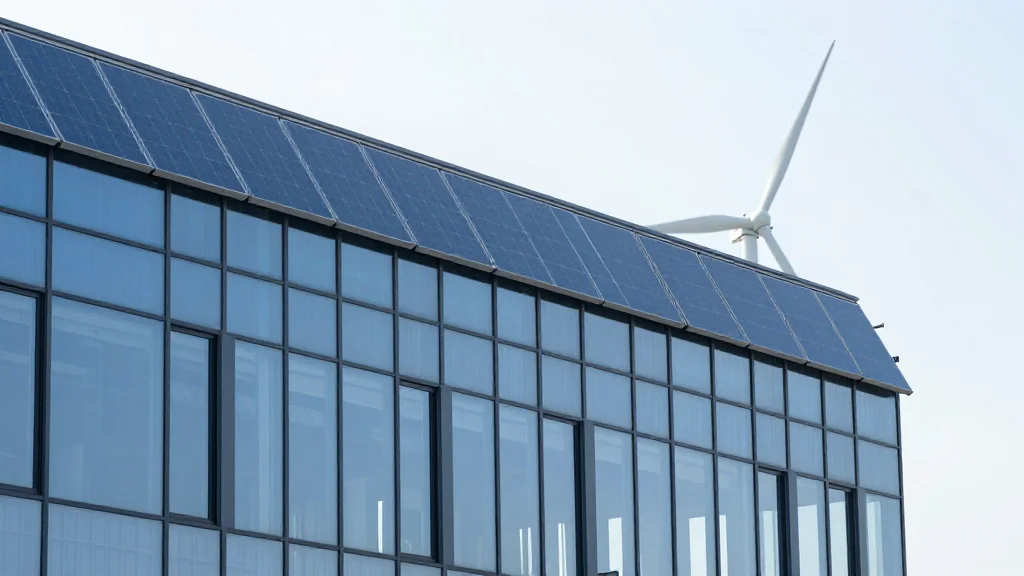
- •SM Prime installed >200,000 solar panels across 69 properties
- •BDO funded $21.8 billion in sustainable projects, including $3.2 billion for 71 renewable developments
Pulse Analysis
SM Group’s renewable‑energy escalation reflects a broader shift among Southeast Asian conglomerates from symbolic ESG pledges to operationally integrated climate strategies. Historically, the region’s large family‑owned groups have relied on cheap coal and imported oil, but rising carbon‑pricing discussions and supply‑chain disruptions have forced a rethink. SM’s focus on geothermal is particularly astute: unlike solar or wind, geothermal offers dispatchable power, mitigating the intermittency concerns that have hampered other renewables in the archipelago’s grid.
Financially, the move dovetails with the group’s diversified revenue streams. By locking in lower, more predictable energy costs, SM can protect margins across retail, property and hospitality assets—sectors that are highly energy‑intensive. The internal financing pipeline, highlighted by BDO’s $21.8 billion sustainable‑loan book, creates a virtuous circle: the banks fund the group’s green projects, which in turn generate stable cash flows that can be redeployed into further ESG initiatives. This model could become a template for other Philippine conglomerates seeking to align capital allocation with climate goals.
Looking forward, the key challenge will be scaling the renewable mix to meet the 40% target set for 2028 without compromising reliability. The planned 400 MW of new geothermal capacity will require significant capital and regulatory approvals, while solar expansion must contend with land constraints in densely populated urban zones. If SM can navigate these hurdles, it will not only cement its leadership in the domestic ESG arena but also position the Philippines as a case study for emerging‑market firms balancing growth with climate responsibility.
SM Group lifts renewable energy share to 31% in 2025, CEO says it cuts carbon by 370,000 tons
Comments
Want to join the conversation?
Loading comments...