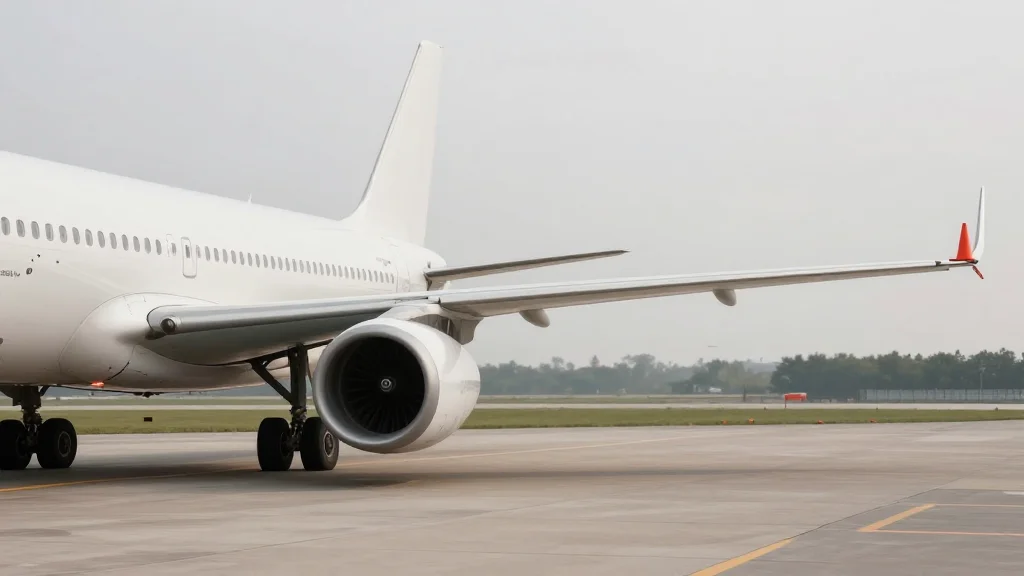
Spirit Airlines Orders Immediate Wind‑Down After $500 Million Bailout Fails

Companies Mentioned
Why It Matters
Spirit’s shutdown illustrates how external shocks—namely a sudden surge in jet‑fuel prices tied to geopolitical conflict—can topple even a historically profitable ultra‑low‑cost carrier. The airline’s exit removes a key price‑pressuring competitor, likely prompting fare increases on dozens of leisure routes and eroding consumer choice for budget travelers. For CEOs across the sector, the episode is a cautionary tale about the importance of robust liquidity buffers and the risks of relying on government bailouts that may never materialize. Beyond the immediate travel market, the collapse raises broader policy questions about the role of the federal government in rescuing private airlines. The $500 million proposal, which would have granted the administration a controlling stake, sparked partisan debate and highlighted the difficulty of aligning public‑interest goals with private‑sector realities. Future CEOs may need to factor political risk into their capital‑raising strategies, especially in an environment where fuel volatility and geopolitical tensions are likely to persist.
Key Takeaways
- •Spirit Airlines announced an immediate, orderly wind‑down, cancelling all 277 scheduled flights
- •A proposed $500 million federal rescue package fell through, leaving the carrier without needed liquidity
- •More than 50,000 passengers were flown in the previous 24 hours; 1,300 crew members are being returned to base
- •Frontier Airlines offered up to 50% off base fares and a $199 GoWild Summer Pass to displaced travelers
- •Spirit’s stock fell 25% while rivals Frontier (+10%) and JetBlue (+4%) rose on the news
Pulse Analysis
The Spirit collapse is a watershed moment for the ultra‑low‑cost segment, which has long thrived on razor‑thin margins and aggressive ancillary revenue models. Historically, carriers like Southwest and Ryanair survived fuel spikes by leveraging scale and hedging strategies; Spirit, by contrast, operated a smaller, less diversified fleet and relied heavily on low‑cost financing that evaporated under pressure. The rapid escalation of jet‑fuel prices to roughly $4.51 per gallon—more than double the airline’s 2026 cost assumptions—created a cash‑flow crisis that even a $500 million infusion could not fully offset, given the carrier’s broader debt load and restructuring commitments.
From a strategic standpoint, Spirit’s demise will likely accelerate consolidation among the remaining ULCCs. Frontier’s swift fare‑discount rollout signals an opportunistic expansion, but integrating Spirit’s route network will require careful capacity planning to avoid over‑extension. Larger legacy carriers may also seize the chance to raise yields on formerly contested leisure corridors, potentially reshaping fare structures for years to come. CEOs of comparable carriers will now scrutinize their fuel‑hedge positions, balance‑sheet resilience, and contingency plans for geopolitical disruptions.
Finally, the episode may recalibrate expectations around government bailouts of private airlines. The Trump administration’s willingness to offer a near‑majority equity stake in exchange for capital was unprecedented, yet the deal stalled amid political opposition and concerns about market distortion. Future rescue attempts will likely face heightened scrutiny, prompting CEOs to explore alternative financing routes—such as private equity, asset‑backed securities, or strategic partnerships—rather than counting on a political lifeline. The Spirit case thus serves as both a cautionary tale and a catalyst for rethinking risk management in an increasingly volatile macro environment.
Spirit Airlines Orders Immediate Wind‑Down After $500 Million Bailout Fails
Comments
Want to join the conversation?
Loading comments...